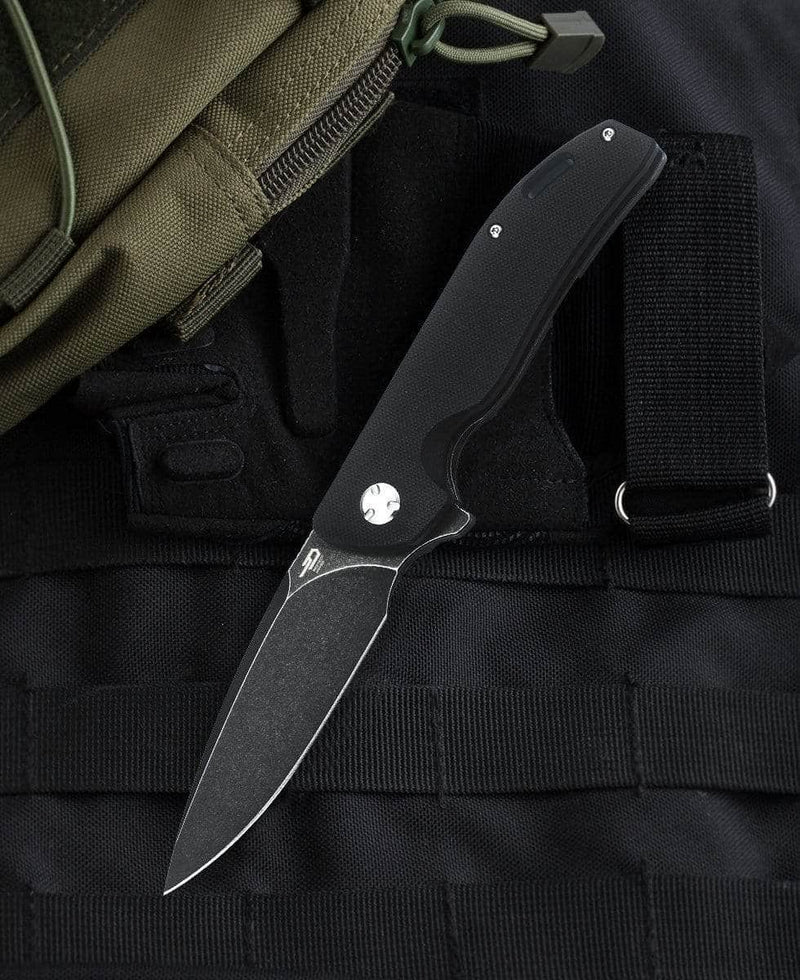
Historical promotion — September 23, 2026. This article records a past campaign. The savings, member prices, minimum spend and references to “this week” below are historical, not a current offer. Visit the linked product or collection pages for present availability and pricing; historical discounts should not be assumed to apply.
Choose Your Lucha
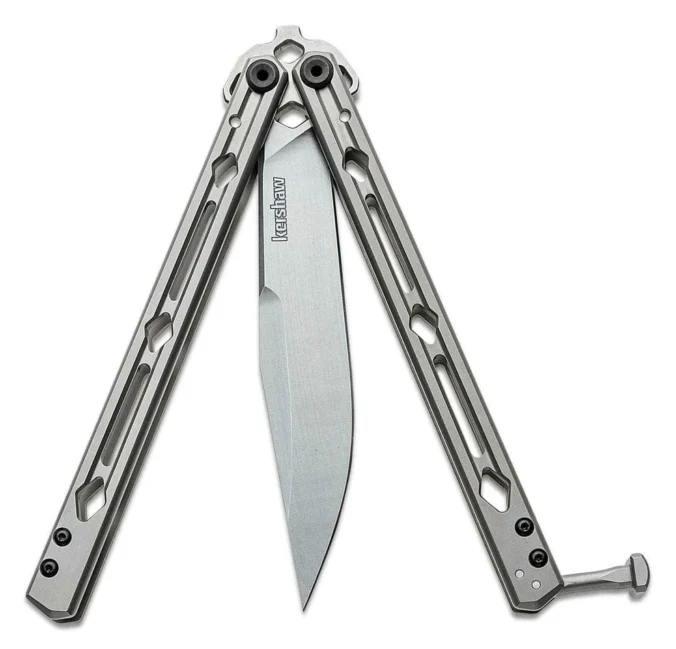
This week’s featured knives are built around one of Kershaw’s most recognizable butterfly platforms: the Lucha.
Same core design. Two very different personalities.
Kershaw Lucha 5150
The classic version keeps things clean with a 4.6″ 14C28N blade, stonewashed finish, and bead-blasted stainless-steel handles.
Kershaw Lucha 5150BW
Prefer something darker? The BlackWash™ Lucha takes the same platform and gives both the blade and stainless-steel handles Kershaw’s broken-in, distressed BlackWash finish.
Both feature dual KVT ball-bearing action, a latch design, and the smooth flipping feel that has made the Lucha such a favorite with Kershaw fans. Kershaw also describes 14C28N as a high-performance stainless steel developed in partnership with a Swedish specialty-steel company.
Stonewashed or BlackWash™ — which Lucha are you taking?
And because this is this week’s featured offer, Knife Depot members get extra savings in cart.
TL;DR: – Entry-level custom knives start at $200–$450; ABS Journeyman Smith damascus pieces run $800–$2,750; investment-grade Master Smith integrals reach $4,000–$12,000+
ABS Master Smith designation (fewer than 130 smiths worldwide) is the most meaningful credential for evaluating quality and resale value
Commission timelines average 3–18 months with 25–50% deposits; store pieces at 45–55% humidity to prevent cracking in natural handle materials
Introduction
So you’re thinking about buying your first custom handmade knife. (Si.edu) (Getty.edu) Maybe you’ve seen one at a show, or a friend’s collection caught your eye. Here’s the thing: the custom knife market can feel overwhelming if you don’t know what separates genuine craftsmanship from factory “custom shop” marketing.
Based on our analysis of maker directories and valuation guides across the custom knife community, we’ve pulled together what actually matters when you’re dropping serious money on a handmade blade. This guide covers what makes a knife truly custom, realistic pricing across skill levels, how to vet makers without getting burned, and what happens after you bring your piece home.
Let’s dig in.
What Makes a Knife Truly Custom and Handmade?
Here’s where most people get confused: the term “handmade” has no legal definition in the US knife industry. That means a CNC-ground blade finished by hand can legally be sold as handmade. So what actually separates a true custom from a factory piece?
According to Knife Depot’s custom handmade collector knives guide, an ABS Master Smith designation is the most meaningful credential for collectors evaluating quality. But let’s break down what you’re actually looking for.
Three hallmarks of genuine custom work:
Hand-ground blade. The maker shaped the blade profile, spine, and edge geometry by hand – not CNC. You’ll see slight variations in grind lines that reflect the maker’s technique. This isn’t a flaw; it’s proof of individual craftsmanship.
Maker’s mark. A legitimate custom knife bears the maker’s stamp or signature on the blade or tang. If there’s no mark, walk away. According to Jay Fisher, a professional full-time custom knifemaker since 1988, a handmade knife is generally described as one that is made offhand – meaning the maker controls every step.
Documented provenance. You should receive paperwork: maker’s name, steel type, handle material, date completed. This matters for resale and insurance. As William Henry demonstrates through pieces like the Spearpoint ‘Independence Hall II’ featuring hand-sculpted stainless frames and hand-forged damascus blades, a well-documented piece is not only a functional item but a true collector’s artifact with traceable origins.
The credential tiers:
The American Bladesmith Society (ABS) offers three levels. Journeyman Smiths may use stock-removal methods (grinding pre-made steel blanks). Master Smiths must demonstrate forged blade construction – they heat steel and shape it by hammer. A Master Smith is the highest skill rating the ABS offers, and there are fewer than 130 worldwide.
This distinction matters enormously. A Journeyman Smith’s work can be excellent, but a Master Smith stamp signals that the maker has passed rigorous performance tests: chopping a free-hanging rope, bending the blade 90 degrees without breaking, and shaving hair cleanly.
Key Takeaway: Genuine custom knives have a maker’s mark, hand-ground blade geometry, and documented provenance. [ABS Master Smith designation (fewer than 130 smiths worldwide) is the most meaningful credential for collectors evaluating quality and resale potential.]
How Much Do Custom Handmade Collector Knives Cost?
Let’s talk money, because this is the question that stops most people cold.
Entry-level custom knives from emerging makers typically run $200–$450. Mid-tier ABS Journeyman Smith damascus pieces cost $800–$2,750, depending on handle material and complexity. Investment-grade Master Smith integrals (one-piece construction) reach $4,000–$12,000+.
What drives the cost?
Steel type. High-carbon steels like 1084 and 1095 cost less than specialty powders like CPM-3V or CPM Magnacut. Damascus adds 30–50% to the base price.
Handle material. Micarta or stabilized wood runs $100–$300. Mammoth ivory or exhibition-grade burl can double the knife’s base price.
Maker reputation. A Journeyman Smith charges less than a Master Smith with a 12-month wait list.
Engraving or inlay. Custom artwork adds $200–$1,000+.
Commission vs. stock. Buying from a maker’s existing inventory costs less than commissioning a custom piece.
Real example: An ABS Journeyman Smith damascus drop-point hunter typically ranges $700–$1,100 depending on handle material. The same style in monosteel (single steel, no pattern) from the same maker might be $500–$750. That 30–50% damascus premium reflects genuine additional labor.
Commission deposits typically run 25–50% with 3–18 month timelines. Most makers want 50% upfront to hold your slot. If someone demands 100% upfront, that’s a red flag – it’s not standard industry practice.
Key Takeaway: Entry-level custom knives run $200–$450; mid-tier ABS Journeyman Smith damascus pieces cost $800–$2,750; investment-grade Master Smith integrals reach $4,000–$12,000+. Commission deposits typically run 25–50% with 3–18 month timelines.
Top Steel and Handle Materials Collectors Prioritize
Steel choice affects both how a knife performs and how it looks – which matters for collectors.
High-carbon steels (1084, 1095, 52100) are the traditional choice for custom work. They’re easier to forge, develop beautiful patinas over time, and can be differentially hardened to show a visible hamon (temper line). The trade-off: they rust if you don’t maintain them. Collectors who display their pieces accept this as part of the aesthetic.
Stainless and semi-stainless (440C, 154CM, CPM-3V) resist corrosion but are harder to forge and don’t develop the same visual character. CPM-3V is prized for working knives because it’s tougher than high-carbon steels – it resists chipping under hard use. But it won’t show a hamon, so display-focused collectors often skip it.
Specialty powders (CPM Magnacut, M390, S90V) offer extreme edge retention and corrosion resistance. They’re expensive and require specialized equipment to forge, so you’ll only see them from established makers. CPM Magnacut at 63 HRC can show up to 30–40% more cutting endurance on rope tests than the same steel at 60 HRC. Understanding why requires a basic grasp of metallurgy – the science and technology of metals and how their properties are affected by heat treatment, which directly governs how hardness and edge retention vary at different HRC ratings.
Damascus (pattern-welded steel) is forged from multiple steel layers, creating visible patterns. Genuine damascus shows layer lines throughout the blade cross-section. Fake damascus is plain steel with an acid-etched surface pattern – if you re-grind it, the pattern disappears. The damascus premium reflects the forge-welding labor and the metallurgical complexity of bonding dissimilar steels – a process that depends on achieving consistent layer adhesion and pattern integrity.
Handle materials matter for both aesthetics and durability.
Stabilized wood (burl, spalted maple) is affordable and beautiful. Micarta is durable and comes in many colors. Stag (deer antler) is traditional and collectible but requires careful humidity control – it can crack if stored too dry.
Mammoth ivory is rare and visually stunning. It commands premium prices and requires CITES documentation for international sale. Premium handle materials – mammoth ivory, stabilized exhibition burl – routinely command significant premiums versus a Micarta-handled equivalent.
Storage matters. Store pieces at 45–55% relative humidity to prevent cracking in natural handle materials. Avoid oak or chestnut display cases – they off-gas acetic acid that accelerates corrosion on carbon steel.
Key Takeaway: High-carbon steels (1084, 1095, 52100) are traditional for custom work and develop beautiful patinas; CPM-3V offers toughness for working knives; damascus commands premiums. Premium handle materials like mammoth ivory can significantly increase a knife’s base price.
How to Find and Vet a Custom Knife Maker
This is where most collectors either succeed or get burned.
Where to find makers:
The American Bladesmith Society directory lists all ABS members by credential level. This is your most reliable starting point. You can filter by location, skill level, and specialty.
[Blade Show Atlanta is the single largest annual event, attracting over 1,500 exhibitors and tens of thousands of collectors.] If you’re serious about collecting, attend. Many top-tier makers close their commission lists to the public and only accept new clients through in-person introductions at shows.
Instagram and maker websites are useful for seeing current work, but they’re not vetting tools. Anyone can post photos.
Your 5-point vetting checklist:
Portfolio depth. Does the maker have 20+ finished pieces documented? Can you see their work over 3+ years? Consistency matters.
Steel certifications. Ask for mill certs on specialty steels. Legitimate makers can provide documentation proving they’re using the steel they claim.
Customer reviews. Search forums (Reddit r/knives, BladeForums) for mentions of this maker. Look for patterns – not one-off complaints, but consistent feedback.
Return or satisfaction policy. What happens if the knife arrives and the grind is off, or the handle cracks? Legitimate makers stand behind their work.
Lead times and communication. Do they respond to inquiries within 48 hours? Do they provide progress updates? Flaky communication is a red flag.
Red flags to walk away:
No maker’s mark or signature
Vague steel sourcing (“high-quality steel” instead of “1095 high-carbon”)
Pressure to pay 100% upfront
No portfolio or references
Unwillingness to discuss materials or process
The commission process (typical timeline):
Initial contact (1–2 weeks): You reach out, discuss design, agree on price and timeline.
Deposit (immediate): You send 25–50% to hold your slot.
Design approval (1–2 weeks): Maker sends sketches or photos; you approve or request changes.
Build phase (3–12 months): Maker forges, grinds, heat-treats, and finishes the blade. You may receive progress photos.
Final inspection (1–2 weeks): Maker does final sharpening, handle finishing, and quality checks.
Delivery (1–2 weeks): You pay the balance, knife ships.
Total: 4–18 months depending on maker demand and complexity.
Key Takeaway: Vet makers through ABS directories, Blade Show attendance, and forum reputation. Require portfolio depth, steel certifications, and clear communication. Avoid makers demanding 100% upfront deposits or offering vague steel sourcing.
What Knife Styles Are Most Popular With Collectors?
Not all knife styles hold value equally. Some appreciate; others plateau.
Bowies are the classic collector knife. Large, dramatic, historically significant. Work by a maker producing 70–100 knives per year sells 30–60% above original price after 3–5 years, while ‘quasi‑custom’ factory limited editions are resold at a 10–20% discount after a couple of years. Bowies from established makers tend to be in that appreciating category.
Fighters (short, aggressive blade geometry) are highly collectible, especially presentation-grade pieces with ornate handles or damascus blades.
Hunters (drop-point or clip-point) are practical and collectible, but they appreciate more slowly than bowies or fighters. They’re popular with working collectors who actually use their pieces.
Art knives (daggers, friction folders, sculptural pieces) are the wildcard. They’re collectible if the maker is established and the design is distinctive. Resale is less predictable.
Japanese-style honyaki (single-material, differentially hardened) knives are among the most technically demanding and collectible globally. Western makers producing honyaki-style pieces command premium prices.
Regional traditions matter. Scandinavian Sami-style knives have a devoted collector base. Japanese forging traditions attract serious collectors. American Bowie and fighter traditions dominate the US market.
The safest bet for appreciation: buy from an ABS Master Smith, choose a classic style (Bowie, fighter, or hunter), and select a piece with distinctive handle material or damascus. These tend to hold or gain value over 5+ years.
Key Takeaway: Bowies and fighters from ABS Master Smiths appreciate significantly over 3–5 years; hunters appreciate more slowly; art knives are unpredictable. Choose classic styles with distinctive materials for the best resale potential.
How to Store, Display, and Protect Your Collection
You’ve invested serious money. Now protect it.
Storage for high-carbon steel:
High-carbon knives will rust if exposed to humidity above 60% or stored in acidic environments. Use Renaissance Wax (museum-standard protectant) on carbon steel pieces. Apply a thin coat and buff to clarity. Re-apply every 6–12 months for displayed pieces.
Store in a humidity-controlled case or cabinet. Target 45–55% relative humidity. Avoid oak or chestnut wood cases – they off-gas acetic acid that accelerates corrosion. Use powder-coated steel or anodized aluminum display cases.
For leather sheaths, ensure they’re vegetable-tanned and treated. Synthetic sheaths (Kydex) are safer for long-term storage because they don’t off-gas.
Display options:
Shadow boxes with UV-protective glass are ideal for high-value pieces. They protect from dust and light while allowing viewing. Wall-mounted racks work for active collections you rotate through.
Locked display cases are essential if you have pieces worth $1,000+. Theft is rare but happens.
Documentation:
Photograph the maker’s mark, handle, and blade from multiple angles. Keep maker invoices, certificates of authenticity, and any correspondence with the maker. This documentation is essential for insurance and resale.
If a piece is worth $500+, get a professional appraisal. Insurance companies require this for scheduled personal property riders.
Insurance:
Standard homeowner’s policies typically cap coverage for collectibles at $1,000–$2,500 total. A scheduled personal property rider covers individual items at appraised replacement value with no deductible. For a collection worth $5,000+, this is non-negotiable.
Key Takeaway: Store high-carbon steel at 45–55% humidity with Renaissance Wax protection. Use UV-protective shadow boxes for display. Document maker marks and obtain professional appraisals for pieces over $500. Add scheduled personal property riders to your insurance for collections over $5,000.
Frequently Asked Questions
How much should I pay for my first custom handmade collector knife?
Direct Answer: Start with $300–$600 from an emerging ABS Journeyman Smith. This gives you genuine handwork without the premium prices of established makers.
Entry-level custom knives from emerging makers typically run $200–$450. At this price point, you’re buying from makers building their reputation. The work is solid, but you’re not paying for a 12-month wait list. As you learn what you like, you can move up to mid-tier pieces ($800–$2,750) from established Journeyman Smiths.
What is the difference between a custom knife and a handmade knife?
Direct Answer: “Custom” means made to your specifications; “handmade” means made by hand (though this term has no legal definition). A knife can be custom but factory-made, or handmade but stock design.
True custom handmade knives combine both: a maker forges or grinds a blade specifically for you, to your design preferences. Factory “custom shop” knives are production runs with limited variations – not true customs. [A handmade knife is generally described as one that is made offhand, meaning the maker controls every step.]
Which steel holds its value best in a custom knife collection?
Direct Answer: High-carbon steels (1084, 1095, 52100) and damascus hold value best because they’re traditional, develop character over time, and are preferred by serious collectors.
Stainless steels are practical but don’t appreciate as quickly. Specialty powders (CPM-3V, CPM Magnacut) are durable but less collectible because fewer makers work with them. Damascus commands premiums because of the labor involved in pattern-welding. If you’re buying for appreciation, choose high-carbon or damascus from an established maker.
How long does it take to commission a custom knife from a maker?
Direct Answer: Typically 4–18 months from deposit to delivery, depending on maker demand and complexity.
Commission timelines average 3–18 months. Emerging makers might deliver in 3–6 months. Established ABS Journeyman Smiths often quote 6–12 months. Top-tier Master Smiths may have 12–24 month wait lists. Complex pieces (damascus, engraving, ornate handles) add 2–3 months.
Are custom handmade knives a good investment?
Direct Answer: Yes, but only if you buy from established makers and choose classic styles. Pieces from ABS Master Smiths appreciate 30–60% over 3–5 years.
Work by a maker producing 70–100 knives per year sells 30–60% above original price after 3–5 years. The key is buying the right maker and style. Bowies and fighters from Master Smiths tend to appreciate. Hunters appreciate more slowly. Factory “custom shop” pieces often resell at a loss. Treat it as a long-term hold (5+ years) rather than a quick flip.
How can I tell if a handmade knife is authentic and not a factory copy?
Direct Answer: Check for a maker’s mark, verify the maker through ABS directories, and inspect the blade grind for hand-work signatures (slight variations in grind lines).
Authentic custom knives have a maker’s stamp or signature on the blade or tang. Verify the maker’s name through the ABS directory or their official website. Examine the grind – hand-ground blades show subtle variations that reflect individual technique. Factory copies have uniform, machine-perfect grinds. Ask for documentation: maker’s name, steel type, date completed. Legitimate makers provide this.
What knife styles are easiest to resell in the collector market?
Direct Answer: Bowies and fighters from ABS Master Smiths resell fastest. Hunters and outdoor styles have a smaller but steady resale market.
Bowies are the classic collector knife with broad appeal. Fighters attract tactical and art knife collectors. Hunters appeal to working collectors but appreciate more slowly. Art knives and experimental styles are harder to resell unless the maker is very established. Stick with classic styles from recognized makers if resale is a priority.
Conclusion
Building a custom knife collection doesn’t require deep pockets or decades of experience. It requires knowing what separates genuine craftsmanship from marketing, understanding the price tiers, and vetting makers carefully.
Start with an entry-level piece from an emerging ABS Journeyman Smith. Learn what you like – steel, handle material, blade geometry. Attend Blade Show or a regional knife show. Meet makers in person. Build relationships. Then move up to mid-tier and investment-grade pieces as your knowledge and budget grow.
The custom knife market rewards patience and education. Buy from established makers with documented track records. Choose classic styles. Store your pieces properly. And remember: the best knife is the one you’ll actually use and enjoy for decades.
Want production knives to compare alongside custom pieces? Browse Benchmade knives and Spyderco knives at Knife Depot for current product details and availability. These are production options, rather than bespoke commissions.
TL;DR: Choose an automatic EDC knife by working through four questions: Is the exact knife lawful for your circumstances? Does its blade and handle fit your daily tasks? Do you prefer side-opening or OTF operation? Can you maintain and service that model? Price and steel names alone do not answer those questions.
Introduction
Two automatic knives can have similar prices but very different blade sizes, controls, and pocket fit. This guide provides a decision framework, with model-specific examples, to help you compare them. For current product choices, browse our automatic knife collection. For a separate carry-format comparison, see automatic knives for everyday carry.
What Makes an Automatic Knife Good for EDC?
OTF vs. Side-Opening: The Mechanism Matters
A side-opening automatic swings its blade around a pivot. An automatic OTF moves its blade along the handle and out through the front. Double-action OTFs use a switch for both deployment and retraction; single-action models use a separate manual reset. The opening category alone does not establish speed, durability, or safety.
The Launch 4 is a side-opening automatic. The Livewire is an automatic OTF. Confusing those two formats can lead to buying a knife with the wrong controls or blade size.
Five EDC Criteria That Actually Matter
Cutting tasks: Compare blade shape, edge configuration, usable edge, and handle fit.
Carry dimensions: Check closed length, thickness, weight, and clip placement.
Controls: Verify how the exact model opens, closes, and uses any safety features.
Materials: Evaluate steel with heat treatment and blade geometry, plus the complete handle construction.
Support: Read model-specific maintenance instructions and warranty terms.
No blade length or weight is a universal EDC baseline. A compact knife can suit light cutting; a larger handle or blade may fit other tasks. Neither automatically establishes lawful carry.
Are Automatic Knives Legal to Carry Every Day?
Verify current rules for ownership, purchase, shipping, transport, carry method, age, and restricted locations. State and local requirements and exceptions differ. A state count or a simple “legal/banned” label cannot describe every circumstance.
Federal switchblade rules also include specific definitions, restrictions, and exceptions. Do not interpret this article as blanket permission to own, ship, mail, or transport an automatic knife across state lines. Consult current official law and qualified guidance when necessary. A short blade does not create nationwide permission. This is general information, not legal advice.
Best Automatic Knives for EDC: Our 2026 Picks
The following configurations illustrate different size and mechanism choices. This is a specification comparison, not a report of controlled deployment or edge-retention testing. Check current prices and stock on the product pages.
Knife Depot availability checked November 17, 2026:Launch 4 7500BLK — $112.99 and Livewire 9000BLK — $244.99 were available. Prices are USD before tax and shipping and may change. The older Claymore 9070 configuration below is a model comparison, not a current-stock promise.
Compact Side-Opening: Kershaw Launch 4 7500BLK
Kershaw specifies a 1.9-inch CPM-154 blade, 3.2-inch closed length, 1.8-ounce weight, and 6061-T6 aluminum handle for the 7500BLK. It uses push-button opening and a push-button lock release, with a single-position right-hand tip-up clip. It is not a 3.4-inch OTF and the cited configuration is not an 8Cr13MoV version.
Compare it when compact dimensions matter. Check whether the short usable edge and small handle suit your tasks before treating it as your main work knife.
Larger Side-Opening: Benchmade Claymore 9070
The documented 9070 configuration uses CPM-D2, a 3.6-inch blade, a 5-inch closed length, and a listed weight of 3.5 ounces. It is a side-opening push-button automatic with Grivory handles. These specifications correct the earlier S30V and 3.45-inch figures. Do not confuse the 9070 with the separate Claymore OTF models or apply its specifications to later Claymore generations.
Its larger size is a meaningful comparison with the Launch 4. Verify the exact suffix, edge configuration, and controls on the model you are considering.
Double-Action OTF: Kershaw Livewire 9000BLK
The Livewire 9000BLK has a 3.3-inch CPM MagnaCut blade with black PVD coating, a 4.8-inch closed length, a 6061-T6 aluminum handle, and a listed weight of 3.1 ounces. Its switch deploys and retracts the blade. The previous $60–$100/8Cr13MoV description did not match this configuration.
Its reversible deep-carry clip offers a different carry arrangement from the Launch 4. For current OTF recommendations, see our OTF buying guide.
Other Models to Compare by Exact Configuration
Microtech Ultratech and Gerber 06 Auto models can offer different blade and handle configurations. Verify the complete SKU before comparing steel, weight, dimensions, or price. A family name does not support one universal specification or a promise of trouble-free operation.
Comparison Table: Identified Configurations
Model
Format
Blade
Steel
Weight
Launch 4 7500BLK
Side-opening auto
1.9 inches
CPM-154
1.8 oz
Claymore 9070, documented configuration
Side-opening auto
3.6 inches
CPM-D2
3.5 oz
Livewire 9000BLK
Double-action OTF
3.3 inches
CPM MagnaCut
3.1 oz
How Much Should You Spend?
Set a budget, then compare actual current listings. Price alone does not guarantee a steel grade, heat treatment, tight tolerances, or warranty coverage. There is no substantiated universal claim here that one price tier provides two or three times the edge retention of another.
Include service availability and maintenance in the comparison. Read the warranty exclusions and any shipping or service costs rather than assuming that a premium price includes every future repair.
Carry and Maintenance Checklist
Confirm the pocket clip position and whether it can be moved.
Keep the blade’s opening path clear and follow the manufacturer’s handling instructions.
Clean off cutting residue before closing or retracting the blade.
Use the lubricant and cleaning method recommended for the exact model.
If deployment becomes inconsistent, stop using the malfunctioning mechanism and contact the manufacturer.
Routine OTF care need not require disassembly. Avoid applying one maker’s cleaning instructions to every automatic knife.
Frequently Asked Questions
Is the Kershaw Launch 4 an OTF?
No. It is a side-opening automatic; the 7500BLK configuration has a 1.9-inch CPM-154 blade.
Does a more expensive automatic always hold an edge longer?
No. Steel, heat treatment, geometry, edge condition, and cutting material all affect performance. Compare evidence for the actual knives.
Can I choose an automatic by blade length alone?
No. Consider the applicable law, handle fit, closed dimensions, clip, mechanism, and intended tasks.
What is the practical advantage of a double-action OTF?
The same switch operates both powered deployment and retraction. Whether that is useful depends on your tasks and preference.
Conclusion
Identify the exact model, confirm lawful use, compare its physical fit and controls, then check current price and service support. Browse automatic knives or OTF knives to compare current configurations.
Quick answer: No folding knife is legal everywhere or guarantees personal safety. If you are considering a knife for self-defense, start with the laws that apply to your location and the risks of escalating a confrontation. For ordinary cutting tasks, compare fit, construction, safe handling and maintenance rather than promises about deployment speed.
Introduction
Folding-knife descriptions often mix up three separate questions: how a knife opens, how its blade locks, and whether it is lawful to carry. A product’s size or mechanism cannot answer all three.
This guide explains those distinctions, compares several identifiable everyday-carry models and points to official legal references. It is general information, not advice about whether a particular person may carry or use a knife. Avoid confrontation, move to safety when possible, and contact emergency services if you are threatened.
What Should a Beginner Look For in a Folding Knife?
For routine cutting, choose a knife that fits your hand, has an edge appropriate to the work, closes safely and can be maintained according to its instructions. A blade-length measurement or a premium steel does not establish that a knife is suitable for self-defense.
Opening Method and Lock Type Are Different
Manual opening: The user moves the blade through its opening motion. A thumb stud or opening hole is a control, not a lock type.
Assisted opening: An assist mechanism helps complete opening after the user starts it. Kershaw identifies the Cryo as an assisted-opening model.
Automatic opening: An automatic mechanism opens the blade when its release is operated. Legal definitions vary and may not match a manufacturer’s marketing category.
Locks: Lockback, liner lock, frame lock, AXIS and Tri-Ad describe locking systems. Cold Steel’s Tri-Ad is a lock, not an assisted-opening mechanism.
Do not assume one lock category is always stronger or safer than another. The complete design, manufacturing quality, condition and intended use matter. Follow the instructions for the particular knife and keep your fingers clear of the blade’s closing path.
Handle Fit and Condition
Handle shape, texture and size affect comfort during ordinary use. Try the fit where possible and inspect for damage, loose components or unreliable lock engagement. A smaller blade does not necessarily mean a smaller handle, and a material name alone cannot guarantee grip.
Is Carrying a Folding Knife for Self Defense Legal?
Legality can depend on the jurisdiction, knife type, location, carry method and circumstances. Owning, carrying, selling and using a knife are separate legal questions. There is no nationwide blade length that guarantees lawful carry.
New York City
The NYPD knife FAQ describes a restriction on public possession of blades 4 inches or longer, with specified exceptions. It also describes separate restrictions involving public visibility, knife types, intended use and the transit system. A shorter blade is not automatically lawful in every circumstance, and describing a knife as a self-defense tool does not create an exemption.
Massachusetts
The Massachusetts Trial Court Law Libraries’ weapons guide explains that Commonwealth v. Canjura (2024) invalidated the switchblade-carry prohibition in G.L. c. 269, § 10(b). That ruling should not be generalized into permission for every knife, location or manner of carry. Other applicable provisions and local rules still need to be checked.
California: Read the Definition as Well as the Restriction
Penal Code § 17235 defines switchblades and includes an exclusion for specified one-hand-opening designs with resistance to opening or a bias toward closure. Section 21510 addresses prohibited conduct involving switchblades with blades of two or more inches. These provisions must be read together; an assisted-opening label alone does not decide how a knife is classified.
Restricted Locations and Legal Use
Check the specific rules for workplaces, schools, government buildings, transport systems and other destinations. Permission to carry in one setting does not establish permission in another. Laws concerning threats and use of force are separate from carry laws and depend on the facts and jurisdiction. For a personal legal question, consult a qualified lawyer; this product guide cannot determine when force is justified.
Official references checked October 2, 2026. This is not an exhaustive legal survey; laws and their interpretation can change.
Folding-Knife Models to Compare for Everyday Cutting
The table identifies product specifications, not a ranking of weapons or a promise of legal carry. Check the exact SKU and generation before buying: manufacturers can change steel and other materials within a model family. Prices and store availability should be checked on the current listing.
Model / version
Blade length
Steel
Lock
Opening
KA-BAR Dozier Folding Hunter 4062
3.0 in
D2 on current KA-BAR version; older AUS-8A stock exists
Lockback
Manual thumb stud
Kershaw Cryo 1555TI
2.75 in
8Cr13MoV
Frame lock
Assisted
Spyderco Tenacious C122GP, G-10 / 8Cr13MoV version
3.39 in
8Cr13MoV
LinerLock
Manual opening hole
Benchmade Griptilian 551-S30V
3.45 in
CPM-S30V
AXIS
Manual
KA-BAR Dozier Folding Hunter
The Dozier 4062 uses a lockback, not a liner lock. KA-BAR’s current version has a 3-inch D2 blade and Zytel handle. KA-BAR also states that older AUS-8A versions may remain with retailers, so confirm the steel on the item you are purchasing. Manufacturer specifications.
Spyderco Tenacious
The G-10 / 8Cr13MoV C122GP version has a 3.39-inch blade and a liner lock. Other Tenacious versions use different materials. Spyderco’s product guide documents this configuration; match it to the current seller’s SKU rather than treating the family name as one specification. Spyderco product guide, Tenacious specifications on page 57.
Kershaw Cryo
The 1555TI Cryo has a 2.75-inch 8Cr13MoV blade, stainless-steel handle, frame lock and assisted opening. Kershaw gives its closed length as 3.75 inches and its weight as 4.1 ounces. Those dimensions can help you compare everyday portability; they do not establish lawful carry or effectiveness in a confrontation. Manufacturer specifications.
Choosing a Comfortable Handle
Compare the actual handle dimensions and shape. A compact blade may still have a handle that is uncomfortable for your hand. Choose a knife you can hold and operate safely for normal cutting tasks, following the manufacturer’s instructions.
Benchmade Griptilian
The 551-S30V has a 3.45-inch CPM-S30V blade and an AXIS lock. Benchmade lists a closed length of 4.62 inches and a weight of 3.88 ounces. Compare those dimensions, the handle fit and the current price with your everyday needs; a higher price does not guarantee a better outcome in an emergency. Manufacturer specifications.
How Do You Handle and Store a Folding Knife Safely?
Follow the maker’s instructions for opening, closing, storage and permitted clip positions. Make sure the blade is fully closed before storing the knife, and keep it away from children. Stop using a knife that opens unexpectedly, has a damaged lock or shows other unsafe behavior until it has been inspected or serviced.
Check local carry and visibility rules before taking it into public, and follow the rules of each destination. There is no universally correct tip-up or tip-down orientation for every knife and circumstance. Use only the carry positions permitted by the manufacturer and applicable rules.
If a confrontation develops, prioritize leaving safely, de-escalation and obtaining help. Displaying a knife can increase the risk of serious injury and creates legal questions that a buying guide cannot resolve.
What Blade Steel Should a Beginner Choose?
Choose an everyday cutting tool whose care requirements you can manage. Edge retention depends on the material being cut, heat treatment, blade geometry, sharpening and frequency of use. It cannot be promised as a fixed number of months from the steel name alone.
Do not assume that D2 or SK-5 offers exceptional corrosion resistance, or that a stainless blade cannot rust. Clean and dry the knife after use and follow the manufacturer’s maintenance instructions. Select a suitable sharpener and ask the maker or a qualified sharpening service about difficult edge repairs.
For a beginner, fit, safe operation, the condition of the knife and the ability to maintain it are more useful selection criteria than an unsupported steel ranking. No steel grade makes a knife inherently suitable or lawful for self-defense.
Frequently Asked Questions
Is it legal to carry a folding knife for self defense?
It depends on the applicable laws and circumstances. Check official state and local sources and the rules for the places you will visit. Blade length, a folding design or a stated defensive purpose does not guarantee legality.
Does a shorter blade guarantee legal carry?
No. Knife type, location, carry method and intended use can matter independently of blade length. Choose dimensions for lawful everyday cutting tasks and check the relevant rules separately.
How much should a beginner spend on a folding knife?
Compare current prices for the exact models, including warranty and maintenance needs. There is no price threshold that guarantees quality or safety, and no basis for promising a particular service life from the purchase price alone.
What should beginners learn first?
Learn safe handling for ordinary cutting, maintenance and storage. For personal safety, prioritize conflict avoidance, de-escalation and emergency planning. Knife ownership does not establish skill or legal authority to use force.
What is the difference between assisted and automatic opening?
An assisted design helps complete an opening motion that the user starts; an automatic design opens when its release is operated. These product descriptions are not universal legal definitions. Check the exact mechanism against the applicable law.
Does fixed or folding construction determine suitability for self-defense?
No. Construction alone cannot determine personal safety, lawful carry or whether force would be justified. For everyday cutting, choose the design that fits the task and can be used and stored safely.
What claims should a beginner be cautious about?
Be cautious of universal-legality promises, guaranteed defensive effectiveness, fixed sharpening intervals and claims that one lock or opening method is always superior. Look for identifiable models, manufacturer specifications and clear care instructions.
Choose for Lawful Use and Safe Handling
A folding knife can be a useful everyday cutting tool. Compare the exact product, understand its care and handling requirements, and check the rules that apply to your location. Product specifications do not replace legal advice or a practical personal-safety plan.
TL;DR: – Premium EDC knives ($75–$500+) deliver 10-year durability vs. budget alternatives replaced annually – cutting your cost-per-year from $30 to $20
S35VN steel offers the best balance of edge retention and toughness for daily carry; MagnaCut is the emerging 2024–2026 upgrade
Best for: outdoor enthusiasts, EDC collectors, and professionals seeking reliable cutting tools that last decades
Introduction: What Makes a Pocket Knife “Premium” for EDC?
Based on our analysis of manufacturer specifications, metallurgical research, and community feedback across BladeForums and Reddit’s r/knives, we’ve identified what separates a $50 folder from a $300 investment.
Premium isn’t just a price tag – it’s a combination of steel grade, manufacturing tolerances, locking mechanism reliability, and warranty backing. A premium EDC knife typically features CPM-S35VN or better steel, precision-ground blades, titanium or high-quality G-10 handles, and a manufacturer warranty covering defects for life.
Here’s the reality: a Benchmade Bugout at 1.85 oz feels like air in your pocket, while a Spyderco Paramilitary 2 at 3.75 oz delivers heft and presence. Both cost $170–$190 at retail. Same price tier, completely different carry experience. That’s where understanding premium tiers matters.
Key Takeaway: Premium EDC knives ($75–$500+) combine superior steel, tight tolerances, and lifetime warranties. A $200 knife used daily for 10 years costs $20/year vs. a $30 budget knife replaced annually – 33% lower annualized cost with measurably better performance.
Which Blade Steel Should You Choose for Daily Carry?
Steel grade drives 40–60% of price variance in premium folders. A Spyderco Para 3 in S30V retails around $130, while the same model in M390 runs $180–$200 – a $50–$70 premium for measurably better edge retention and corrosion resistance.
Here’s where most buyer guides fail: they list steel names without explaining real-world trade-offs. Let’s fix that.
Steel Comparison: What You Actually Need to Know
Steel
Edge Retention
Toughness
Corrosion Resistance
Sharpening Ease
Best For
Price Impact
S30V
Excellent
Very Good
Excellent
Moderate
Balanced EDC, all-rounder
Baseline ($0)
S35VN
Excellent
Excellent
Excellent
Moderate
Best value premium steel
+$15–$25
MagnaCut
Excellent
Excellent
Excellent+
Easy
2024+ upgrade path
+$20–$40
CPM-20CV
Very Good
Good
Excellent
Moderate
Outdoor/wet carry
+$30–$50
M390
Excellent+
Good
Excellent
Difficult
Cutting-focused users
+$50–$70
CPM-S90V
Excellent+
Fair
Excellent
Very Difficult
Precision cutting only
+$60–$100
What this means in practice:
S35VN was designed by Chris Reeve and Crucible to improve toughness over S30V by 15–20% through refined carbide structure and niobium addition. If you’re prying, cutting rope, or doing lateral stress tasks – which most EDC users do – S35VN outperforms S30V without sacrificing edge retention. It’s the benchmark mid-premium steel.
MagnaCut (Crucible Industries, 2021) outperforms S35VN in both toughness and corrosion resistance while matching edge retention. Now widely adopted in premium EDC knives from Hogue, WE Knife, Civivi, and others as of 2024–2026, it represents the emerging upgrade path for buyers willing to spend $10–$40 more.
Here’s the catch: CPM-S90V is extremely wear resistant but has lower toughness than S30V or S35VN, making it susceptible to chipping under lateral stress. It’s marketed as “premium” but it’s actually specialized – best for precision cutting tasks where you never pry or apply side pressure. Most EDC users should avoid it.
Price tier expectations:
$75–$150 (Entry Premium): Expect S30V or AUS-8A steel. Solid performers; edge retention is good but not exceptional.
$150–$300 (Mid Premium): S35VN, CPM-20CV, or MagnaCut. This is where the value-to-performance ratio peaks.
$300+ (High-End): S35VN, M390, or custom steels. Diminishing returns; you’re paying for brand heritage, fit/finish, or specialized performance.
Key Takeaway: S35VN is the sweet spot for EDC – 15–20% tougher than S30V, easier to sharpen than M390, and costs $15–$25 more. MagnaCut is the emerging 2026 upgrade if you prioritize corrosion resistance and toughness equally.
Top Premium EDC Pocket Knives by Price Tier (2026)
Entry Premium EDC Knives ($75–$150)
Kershaw Leek (S30V variant)
Blade: 3.0 inches, S30V steel
Weight: 3.0 oz
Lock: Speedsafe assisted-open (spring-assisted, not automatic)
MSRP: ~$85–$110
Best for: Office carry, first-time premium buyers
Pros: Lightweight, fast deployment, proven reliability
Cons: Assisted-open mechanism adds complexity; some jurisdictions restrict spring-assist
CRKT Pilar II (S35VN)
Blade: 2.75 inches, S35VN steel
Weight: 2.8 oz
Lock: Liner lock
MSRP: ~$95–$120
Best for: Minimalist carry, lightweight preference
Pros: Excellent steel for the price, ultra-light, smooth action
Cons: Smaller blade limits utility for outdoor tasks
Spyderco Tenacious (S30V)
Blade: 3.39 inches, S30V steel
Weight: 3.7 oz
Lock: Liner lock
MSRP: ~$105–$130
Best for: Outdoor enthusiasts, first premium upgrade
Key Takeaway: Entry premium ($75–$150) delivers S30V/S35VN at accessible prices; mid-range ($150–$300) is where value peaks with MagnaCut and proven designs; high-end ($300+) reflects brand heritage and fit/finish, not steel superiority. Cost-per-year math favors mid-range for most users.
How Do Locking Mechanisms Affect Everyday Carry?
Lock type determines how safely you deploy and close your knife, how quickly you can operate one-handed, and whether you can use it with gloves. This is where most buyer guides go wrong – they list lock names without addressing real-world usability.
Lock Type Comparison
Lock Type
One-Handed Open
One-Handed Close
Gloved Operation
Durability
Legal Notes
Liner Lock
Good
Difficult
Good
Very Good
Legal everywhere
Frame Lock
Good
Difficult
Good
Excellent
Legal everywhere
Axis/Crossbar
Excellent
Excellent
Excellent
Excellent
Legal everywhere
Compression
Good
Excellent
Fair
Very Good
Legal everywhere
Back Lock
Fair
Difficult
Fair
Good
Legal everywhere
What each lock means for your carry:
Benchmade’s Axis lock is fully ambidextrous – operable with one hand from either side – and is rated for repeated hard use. If you wear gloves (outdoor work, winter, tactical) or need to deploy with your non-dominant hand, Axis is the gold standard. The crossbar mechanism sits perpendicular to the blade, so you can disengage it with your thumb or index finger regardless of hand orientation.
Spyderco’s Compression Lock allows smooth one-handed closing without placing fingers in the blade path – but new users require practice to operate confidently. The learning curve is real. You’re essentially “rolling” your thumb off the spine to disengage. Once mastered, it’s faster than any other lock for closing. But if you’re buying your first premium knife, expect 2–3 weeks of awkward fumbling.
Liner locks and frame locks are the traditional workhorses. They’re legal everywhere, durable, and intuitive – you push a metal liner or frame toward the spine to disengage. The trade-off: one-handed closing requires you to use your other hand or your teeth (not recommended). They’re best for stationary carry where you’re not constantly deploying and closing.
Back locks (found on some traditional slip-joints and modern designs) are the least common in premium EDC. They’re reliable but slower to operate one-handed.
Legal carry context: All of these locks are legal in most US jurisdictions. The restriction is on automatic knives (spring-assisted opening), which are banned in some states. For more on automatic options, see our OTF automatic knife guide and cities. If you’re in California, Massachusetts, or New York, verify local ordinances before purchasing. Knife Rights Foundation provides a state-by-state guide.
Key Takeaway: Axis locks (Benchmade) excel for gloved, ambidextrous operation; compression locks (Spyderco) enable fastest one-handed closing but require practice. Liner/frame locks are intuitive and legal everywhere – best for stationary carry.
What Should You Look for in EDC Knife Ergonomics and Carry Features?
You’ll carry this knife 8–12 hours daily. If it’s uncomfortable, it won’t get used. Ergonomics matter more than specs.
Blade length and legal limits:
Most states allow 3–4 inch blades for concealed carry. California restricts concealed folding knives in many municipalities; Massachusetts restricts concealed carry to blades under 1.5 inches in certain contexts. Check your local ordinance before purchasing. A 3.5-inch blade is the practical sweet spot – long enough for utility tasks, short enough to carry discreetly.
Weight and pocket presence:
The Benchmade Bugout at 1.85 oz feels like air. The Spyderco Paramilitary 2 at 3.75 oz has noticeable heft. If you’re carrying in a front jeans pocket all day, under 3 oz is ideal. If you’re using a belt sheath or bag carry, 3–5 oz is acceptable. Anything over 5 oz becomes a burden.
Clip position and carry orientation:
Deep-carry clips keep the knife below the pocket line for concealment. Tip-up carry (blade pointing up) allows faster deployment for right-hand dominant users. Tip-down is less common but preferred by some for concealment. Most premium EDC knives offer tip-up, right-hand carry as standard. If you’re left-handed or prefer tip-down, verify the knife supports it before buying.
Handle materials:
G-10 (fiberglass laminate): Textured, durable, affordable. Industry standard. Slightly heavier than alternatives.
Titanium: Corrosion-immune, premium feel, adds weight. Best for wet/salty environments. Overkill for office carry.
Carbon fiber: Lightweight, rigid, expensive. Balances weight reduction with durability. Preferred by minimalists.
Aluminum: Lightweight, affordable, less durable than G-10. Common in budget-premium tier.
For most EDC users, G-10 is the sweet spot – proven durability, excellent grip, no maintenance. Titanium is worth the premium if you’re in coastal or wet environments.
Key Takeaway: Aim for 2.5–3.5 inch blades, under 3.5 oz for pocket carry, and G-10 handles for durability. Deep-carry clips and tip-up orientation suit most right-hand EDC users. Verify local blade length laws before purchasing.
How to Maintain a Premium EDC Knife So It Lasts Decades
A $200 knife lasts 10+ years with basic maintenance. A $30 budget knife replaced annually costs $300 over the same period. Here’s how to protect your investment.
Cleaning and lubrication:
Wipe your blade after each use – especially if you’ve cut anything acidic (citrus, tomato) or salty (ocean spray, sweat). A quick dry cloth prevents corrosion. Once monthly, apply a thin coat of Tuf-Glide or Nano-Oil to the pivot. These are thin-film lubricants safe for metal and composites. Avoid petroleum-based oils (WD-40, gun oil) – they can degrade G-10 scales over time.
Sharpening frequency and method:
Premium steels like S35VN+ hold an edge for 3–6 months of daily use. When the blade starts to dull, sharpen at 15–17° per side using a whetstone or honing steel. High-vanadium steels like S90V require diamond or CBN abrasives – aluminum oxide stones are too soft to efficiently cut through vanadium carbides. If you’re unsure, Benchmade’s LifeSharp service provides free sharpening for the lifetime of the knife – you pay return shipping, but the service is free.
Storage and humidity control:
Store your knife in a dry environment. Carbon-content steels (like S90V) can develop surface rust in high humidity. A silica gel packet in your knife drawer prevents moisture buildup. If you live in a humid climate, consider titanium-handled knives or stainless steels like S35VN, which resist corrosion naturally.
When to seek professional service:
If your blade chips, the lock becomes loose, or the pivot feels gritty after lubrication, send it to the manufacturer. Spyderco offers a lifetime warranty on manufacturing defects; non-warranty repairs are fee-based. Most repairs cost $15–$40 and take 2–3 weeks. It’s worth it to keep your knife in service for decades.
Key Takeaway: Monthly lubrication with Tuf-Glide, quarterly sharpening at 15–17°, and dry storage extend knife life to 10+ years. Manufacturer warranties cover defects; preventive maintenance costs nothing and pays dividends.
Frequently Asked Questions About Premium EDC Pocket Knives
How much should you spend on a premium EDC pocket knife?
Direct Answer: $150–$300 is the optimal range for most users. This tier delivers S35VN or MagnaCut steel, proven designs, and 10-year durability without premium brand markup.
Entry premium ($75–$150) works if you’re budget-conscious; you’ll get S30V steel and solid reliability. High-end ($300+) reflects brand heritage and fit/finish, not measurably better performance. A $475 Chris Reeve Sebenza isn’t twice as good as a $200 Spyderco Paramilitary 2 – it’s better, but the value-to-performance ratio peaks in the mid-range.
What is the best blade steel for everyday carry?
Direct Answer: S35VN is the best all-around choice – it offers 15–20% better toughness than S30V while maintaining comparable edge retention. MagnaCut is the emerging 2026 upgrade if you prioritize corrosion resistance and toughness equally.
Avoid S90V unless you’re doing precision cutting tasks where you never pry. It’s brittle and difficult to sharpen. S30V is solid but S35VN is worth the $15–$25 premium.
How does a premium EDC knife compare to a budget knife in real use?
Direct Answer: Premium knives hold an edge significantly longer than budget alternatives and are more comfortable to carry with better ergonomics and tighter tolerances. They’re backed by lifetime warranties.
The cost-per-year math is compelling: a $200 knife used daily for 10 years = $20/year. A $30 budget knife replaced annually = $300 total over 10 years. Premium wins on durability, performance, and total cost of ownership.
Are premium pocket knives legal to carry every day?
Direct Answer: Yes, in most US jurisdictions. Folding knives are legal; automatic knives (spring-assisted opening) are restricted in some states and cities. Check your local ordinance via Knife Rights Foundation’s state-by-state guide.
California, Massachusetts, and New York have stricter limits. Always verify before purchasing.
How often should you sharpen a premium EDC knife?
Direct Answer: Every 3–6 months of daily use, depending on what you cut. Premium steels hold an edge longer than budget alternatives. Sharpen at 15–17° per side using a whetstone or honing steel. If you’re unsure, use a manufacturer service – Benchmade’s LifeSharp is free for the lifetime of the knife.
What brands make the most reliable premium folding knives?
Direct Answer: Benchmade, Spyderco, Chris Reeve, and Zero Tolerance are the most reliable. All offer lifetime warranties and excellent customer service. Civivi and WE Knife offer excellent value at lower price points with comparable reliability.
Is a heavier handle material like titanium worth the price for EDC?
Direct Answer: Only if you’re in wet, salty, or corrosive environments. For typical office and outdoor carry, G-10 is the sweet spot – durable, textured, affordable. Titanium adds weight and cost without measurable benefit for most users. Carbon fiber is worth considering if you prioritize ultralight carry.
Conclusion: Your Next Step
Premium EDC knives aren’t luxury items – they’re tools that earn their cost through durability, reliability, and daily utility. The difference between a $50 folder and a $200 premium knife is the difference between replacing it annually and carrying it for a decade.
Start with the mid-range tier ($150–$300). A Spyderco Paramilitary 2 in S35VN or Benchmade Bugout will teach you what premium feels like without overcommitting. Once you know your preferences – blade length, weight, lock type – you can upgrade to a high-end piece or explore specialized designs.
Ready to browse current inventory? Knife Depot carries premium EDC pocket knives across all price tiers, with expert recommendations and fast shipping. Whether you’re upgrading from a budget folder or building your first premium carry, you’ll find proven designs backed by manufacturer warranties.
Your next great knife is waiting. Pick one that fits your hand, your pocket, and your budget – then use it for the next decade.
Choosing a CobraTec starts with three questions: how much knife do you want to carry, which handle color do you prefer, and what is your budget? This guide compares specific models available from Knife Depot when checked in September 2026. Follow the product links for current price and availability.
Availability checked November 18, 2026: The black Diablo BLKDIABLOAUTO and both small FS-3 configurations below were out of stock. The OD-green Diablo ODGDIABLOAUTO was available as a different-color, side-opening alternative. It is not an OTF replacement. For other OTF configurations, browse the OTF collection. Check live listings before ordering.
Prices exclude shipping and tax and may change. These are folding automatics; the blade swings out from the handle rather than sliding out of the front.
Ryker: for a larger folder
The Ryker is the largest of these two choices by blade length. Its 3.75-inch D2 blade and textured G-10 handle make it a choice for someone who prefers a substantial folder. If a small, unobtrusive pocket knife is your priority, compare the dimensions carefully before choosing it.
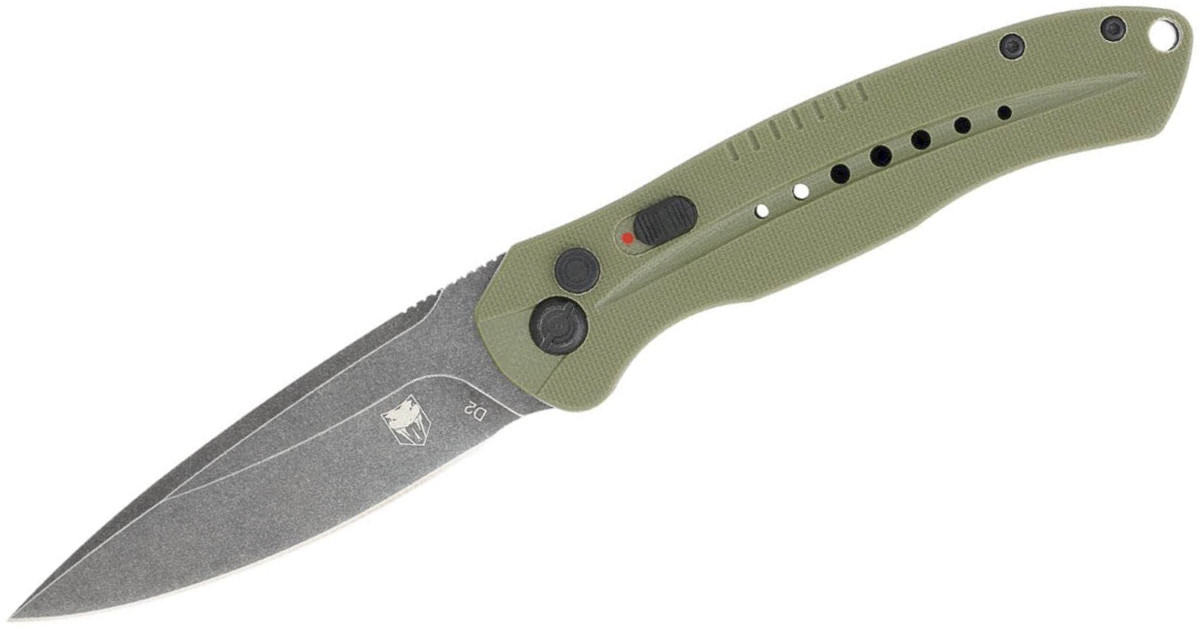
The Diablo steps down to a 3.5-inch blade while retaining D2 steel and a G-10 handle. At the reviewed price, it costs $10 less than the Ryker. That makes it worth comparing if you want a conventional push-button automatic and do not need the Ryker’s extra blade length.
Start with the black BLKDIABLOAUTO or the OD green ODGDIABLOAUTO. Both were $49.99 at review. Check the full model code: other Diablo listings may have a different blade shape or color.
Which one should you choose?
More blade length: compare the Ryker.
A lower-priced, visible-button option: compare the Diablo.
An OD green handle: compare the specific green Ryker and Diablo links above.
Prefer an out-the-front knife? Compare the small FS-3
The Ryker and Diablo above are side-opening folders. The small FS-3 extends and retracts its blade through the front of the handle using a dual-action switch. Both versions below have a 2.75-inch D2 blade, an aluminum handle and a listed weight of 4.5 ounces.
Both were $99.99 at review in September 2026. Check the linked product pages for current price and availability; these exact small FS-3 configurations differ from the medium, serrated and dagger versions.
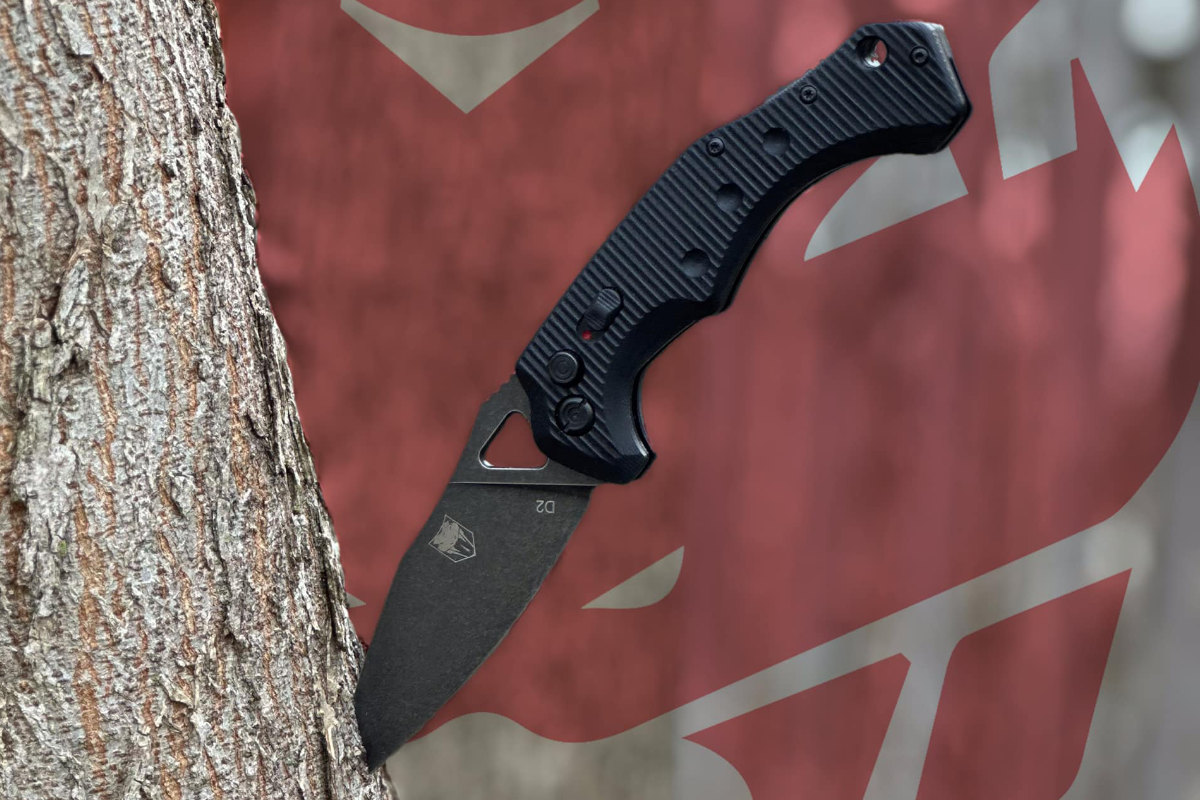
This week, we’re featuring three CobraTec knives that bring something different to the collection — natural materials, traditional styling, and just enough CobraTec attitude underneath.
Zebrawood Bar Lock
Warm Zebrawood gives this folder a classic, almost custom-shop look. It’s clean, distinctive, and proof that an everyday knife doesn’t have to look ordinary.
Traditional Two-Blade Trapper
CobraTec goes old-school with a stag-handled two-blade trapper — a familiar American knife pattern with the kind of character traditional knife fans and collectors appreciate.
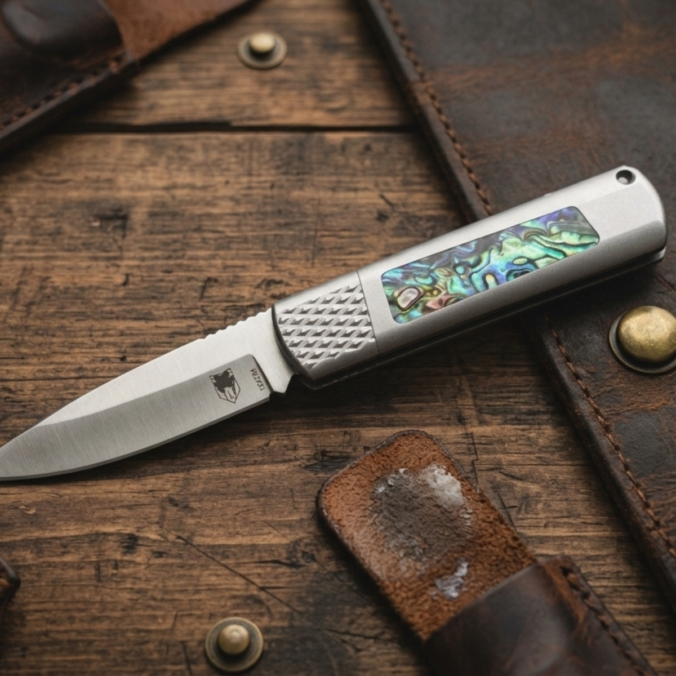
Gideon Hidden Release — Abalone
And then there’s the showpiece.
The Gideon Hidden Release pairs an elegant abalone treatment with CobraTec’s hidden-release design. It looks like a gentleman’s folder at first glance — which is exactly what makes it so interesting.
Three very different knives. One very good week to shop CobraTec.
We’ve put all three on sale, and Knife Depot members get something extra:
Members get additional cash savings automatically in cart.
No code. No hoops. Just log in, add your favorite, and watch the price get better.
Sale pricing + members-only savings. This week only.
TL;DR: – Best overall value: Mora Garberg at ~$90 with 4.3-inch Sandvik 14C28N stainless blade, 4.9 oz, full tang – handles 90% of hiking tasks without the weight penalty.
Best budget pick: Mora Companion at ~$20, only 3.0 oz, partial tang but proven durable for normal trail use.
Best premium option: ESEE 4 at ~$130, 5.3 oz with modular sheath system worth $30 separately – ideal if you want carry flexibility and 1095 high-carbon steel that resharpens quickly.
What Makes a Bushcraft Knife Good for Hiking?
A bushcraft knife for hiking needs to balance four core criteria: blade length, steel type, tang construction, and handle ergonomics. You’re not just looking for a camp knife – you need something that handles food prep, fire starting, and light batoning without dragging down your pack.
Here’s the direct answer: aim for a 3.5–5 inch blade in either high-carbon steel (1095, 1075) or stainless-leaning steels like Sandvik 14C28N, full tang construction, and a weight under 5.5 oz total (blade + handle). That’s your sweet spot for day hikes and multi-day backpacking.
Why does hiking differ from pure camp use? Weight matters. A 6-inch blade adds 1.5–2 oz and zero measurable utility for most hikers. You’re also carrying the knife for 8+ hours, so ergonomics and sheath comfort become critical. A poorly designed handle or heavy sheath turns a great blade into dead weight.
Blade length math: According to bushcraft expert Mors Kochanski, a 4-inch blade is the sweet spot – long enough for batoning small-diameter wood, short enough for fine carving and food prep without excessive weight. Going beyond 5 inches adds weight with no measurable utility gain for day hikers.
Steel type is where most guides fall short. You need to understand the trade-off: high-carbon steels like 1095 resharpen in the field with a $8–$12 pocket diamond stone in under 3 minutes, but they rust if you don’t oil them. Stainless-leaning steels like Sandvik 14C28N resist corrosion but require ceramic or finer abrasives to sharpen on the trail.
Full tang vs. partial tang? Full tang is functionally superior for batoning and heavy wood processing. But Mora Companions with partial tangs survive years of normal trail use at 3 oz – the full-tang premium matters most above $80.
Key Takeaway: A hiking bushcraft knife should weigh under 5.5 oz total, feature a 4–4.5 inch blade, and use either easy-to-sharpen high-carbon steel or corrosion-resistant stainless-leaning steel depending on your climate.
How Do Different Steel Types Affect Performance on the Trail?
This is where most bushcraft guides leave you hanging. They list knives without explaining why steel choice matters for your specific hike.
Direct answer: For hiking, choose between 1095 high-carbon steel (57–58 HRC) if you’re willing to maintain it, or Sandvik 14C28N stainless (58–62 HRC) if you want zero rust worry. D2 semi-stainless (60–61 HRC) splits the difference but requires ceramic sharpening tools on the trail.
Here’s the steel comparison that matters:
Steel
Hardness (HRC)
Edge Retention
Corrosion Resistance
Field Sharpening
Best For
1095 High Carbon
57–58
Good
Poor (requires oiling)
Easy (diamond stone, 3 min)
Budget hikers, dry climates
D2 Semi-Stainless
60–61
Excellent
Good (~12% chromium)
Moderate (ceramic rod needed)
Mixed climates, longer trips
Sandvik 14C28N Stainless
58–62
Good
Excellent
Easy (flat stone, scandi grind)
Wet climates, low-maintenance
A2 Tool Steel
60–61
Excellent
Moderate (requires oiling)
Moderate (ceramic)
Heavy batoning, premium knives
S30V Stainless
58–60
Excellent
Excellent
Hard (diamond only)
Premium, minimal maintenance
1095 high-carbon steel is the classic bushcraft choice. According to KnifeInformer, 1095 is a simple high-carbon steel that’s easy to sharpen and tough enough for hard use. The catch? It rusts in wet conditions without oiling. If you’re hiking in the Pacific Northwest or Southeast, you’ll need to oil your blade daily or accept surface rust.
Sandvik 14C28N stainless is optimized for knife applications with enhanced nitrogen content providing improved corrosion resistance compared to older 12C27 stainless. This is what Mora uses in their Garberg. You get excellent rust resistance, easy field sharpening (flat stone, scandi grind), and a blade that handles 90% of hiking tasks without fussing.
D2 semi-stainless contains approximately 11–12% chromium, giving it semi-stainless properties and far better moisture resistance than plain carbon steels. The trade-off? D2 at 60–61 HRC requires a ceramic rod or coarser abrasive to sharpen in the field. You won’t get a razor edge with a pocket diamond stone.
When to choose stainless vs. high-carbon:
High-carbon (1095, 1075): Dry climates, day hikes, you don’t mind daily maintenance, you want sub-$100 pricing.
Stainless-leaning (14C28N, D2): Wet climates, multi-day trips, you want minimal fussing, you’re willing to spend $90+.
Key Takeaway: 1095 high-carbon resharpens in 3 minutes with a pocket stone but rusts without oiling. Sandvik 14C28N stainless resists corrosion and sharpens easily but costs $20–$30 more. Choose based on your climate and maintenance tolerance.
Top 7 Best Bushcraft Knives for Hiking (2026 Picks)
Here’s the reality: you don’t need to spend $300 to get a reliable hiking knife. But you also shouldn’t cheap out on blade geometry or steel quality. Let’s break this into three budget tiers so you know exactly what you gain and lose at each price point.
Best Under $60: Mora Garberg vs. Mora Companion
Mora Companion – The Ultralight Choice
Blade: 4.1 inches, 12C27 stainless or high-carbon steel
Weight: 3.0 oz (blade + handle only)
Steel: 12C27 stainless or carbon
Tang: Partial tang
Handle: Rubber
Street price: ~$20–$25
Best for: Ultralight backpackers, budget-conscious hikers, day trips
The Companion is the gateway bushcraft knife. At 3.0 oz, it’s lighter than most folding knives and costs less than a decent lunch. The partial tang is a genuine structural limitation – you shouldn’t baton thick hardwood or use it as a pry bar. But for food prep, fire starting, and light carving? It’s proven itself on thousands of trails.
Trade-off: Partial tang means less leverage for heavy tasks. But Mora’s design has survived years of normal use. If you’re a day hiker or ultralight backpacker, this is your knife.
Mora Garberg – The Balanced Pick
Blade: 4.3 inches, Sandvik 14C28N stainless
Weight: 4.9 oz
Steel: Sandvik 14C28N (58–62 HRC)
Tang: Full tang
Handle: Polypropylene
Street price: ~$90–$95
Best for: Most hikers, multi-day trips, wet climates
The Garberg is the knife that made Mora relevant to serious bushcrafters. Full tang construction, Sandvik 14C28N stainless steel, and a scandi grind that sharpens flat on any whetstone. At 4.9 oz, it’s only 1.9 oz heavier than the Companion but gives you full-tang durability and stainless corrosion resistance.
Trade-off: The polypropylene handle isn’t as comfortable as wood or Micarta for extended use. But it’s durable, lightweight, and you won’t worry about it cracking in cold weather.
Garberg vs. Companion: Weight difference is only 1.9 oz. You gain full tang, stainless steel, and a scandi grind. For most hikers, the Garberg is worth the $70 premium.
Best $60–$150: Benchmade Bushcrafter, Condor Bushlore, ESEE 4
Condor Bushlore – The Budget Full-Tang
Blade: 4.3 inches, 1075 high-carbon steel
Weight: 5.4 oz
Steel: 1075 high-carbon (~56–58 HRC)
Tang: Full tang
Handle: Walnut
Street price: ~$50–$60
Best for: Budget hikers who want full tang, dry climates
The Bushlore is a full-tang knife at Mora Companion pricing. 1075 is slightly softer than 1095 (~56–58 HRC vs. 57–58 HRC), meaning it resharpens even easier but holds an edge slightly less long. The walnut handle is comfortable and warm in your hand – a real upgrade from polypropylene.
Trade-off: 1075 steel requires oiling in wet conditions, just like 1095. You’re paying for full tang and a nicer handle, not corrosion resistance. If you’re hiking in dry climates, this is a steal.
Benchmade Bushcrafter 162 – The Premium Stainless
Blade: 4.43 inches, S30V stainless steel
Weight: 7.2 oz
Steel: S30V (58–60 HRC)
Tang: Full tang
Handle: Dymondwood
Street price: ~$165–$180
Best for: Hikers who want zero maintenance, premium feel
S30V is Benchmade’s signature steel – excellent edge retention, excellent corrosion resistance, and a premium price tag. At 7.2 oz, it’s heavier than the Garberg (4.9 oz) but the S30V steel and Dymondwood handle justify the weight for some hikers.
Trade-off: S30V requires diamond or ceramic sharpening tools. You won’t get a field-sharp edge with a pocket stone. If you’re willing to carry a ceramic rod or sharpen at home, this knife is bulletproof.
ESEE 4 – The Modular Choice
Blade: 4.5 inches, 1095 high-carbon steel
Weight: 5.3 oz (without sheath)
Steel: 1095 high-carbon (57–58 HRC)
Tang: Full tang
Handle: Micarta
Street price: ~$130–$140
Best for: Hikers who want carry flexibility, 1095 steel
The ESEE 4 is famous for its modular Kydex sheath system compatible with MOLLE and various carry configurations. The blade is classic 1095 high-carbon – resharpens in 3 minutes with a pocket stone but requires oiling in wet conditions.
Trade-off: ESEE 4 vs. Mora Garberg: weight difference is only 0.4 oz (5.3 oz vs. 4.9 oz), but the ESEE offers a modular sheath system valued at ~$30 separately. If you need carry flexibility or prefer 1095 steel, the ESEE is worth it. If you want the lightest option, the Garberg wins.
Best $150+: Bark River Bravo 1, ESEE 5
Bark River Bravo 1 – The Toughness King
Blade: 4.9 inches, A2 tool steel
Weight: 6.5 oz
Steel: A2 tool steel (60–61 HRC)
Tang: Full tang
Handle: Various (leather, canvas micarta)
Street price: $250–$320
Best for: Heavy batoning, premium craftsmanship, hikers who want toughness
A2 tool steel offers superior toughness (impact resistance) compared to D2 and S30V at similar hardness levels, making it preferred for heavy bushcraft use including batoning. The Bravo 1 uses a convex grind – more durable than a scandi grind for hard use.
Trade-off: A2 requires oiling in wet conditions and isn’t recommended for coastal/salt environments without maintenance. You’re paying for toughness and premium craftsmanship, not corrosion resistance.
ESEE 5 – The Heavy-Duty Option
Blade: 5.25 inches, 1095 high-carbon steel
Weight: 8.0 oz
Steel: 1095 high-carbon (57–58 HRC)
Tang: Full tang
Handle: Micarta
Street price: ~$150–$170
Best for: Multi-day trips with heavy batoning, larger hikers
The ESEE 5 is the ESEE 4’s bigger sibling. At 5.25 inches, it handles large-diameter batoning better than the 4.5-inch ESEE 4. But here’s the weight math: 2.7 oz heavier (8.0 oz vs. 5.3 oz) for 0.75 extra inches of blade. That’s a meaningful penalty for day hikers. For multi-day trips where you’re processing firewood daily, the extra blade length is worth it.
Quick Comparison Table
Knife
Blade
Steel
Weight
Tang
Price
Best For
Mora Companion
4.1″
12C27
3.0 oz
Partial
$20
Ultralight, budget
Mora Garberg
4.3″
14C28N
4.9 oz
Full
$90
Most hikers, wet climates
Condor Bushlore
4.3″
1075
5.4 oz
Full
$55
Budget, dry climates
Benchmade 162
4.43″
S30V
7.2 oz
Full
$175
Premium, zero maintenance
ESEE 4
4.5″
1095
5.3 oz
Full
$135
Modular sheath, 1095 lovers
Bark River Bravo 1
4.9″
A2
6.5 oz
Full
$280
Heavy batoning, toughness
ESEE 5
5.25″
1095
8.0 oz
Full
$160
Multi-day heavy use
Key Takeaway: Mora Garberg at ~$90 is the best value – 4.3-inch blade, full tang, stainless steel, 4.9 oz. ESEE 4 at ~$135 adds modular sheath and 1095 steel if you want carry flexibility. Bark River Bravo 1 at ~$280 is for hikers who prioritize toughness over weight.
What Weight and Size Should a Hiking Bushcraft Knife Be?
This is where backpackers get it wrong. They obsess over blade length without understanding the task-to-weight trade-off.
Direct answer: For day hikes, aim for 3.5–4.5 inches and under 5 oz total. For multi-day trips, 4–5 inches and under 6 oz is acceptable. Going beyond 5 inches adds weight (typically 1–2 oz) with no measurable utility gain for most hikers.
Here’s the task-matched breakdown:
3–3.5 inches (2–3 oz): Food prep, fire starting, first aid. Not enough blade for batoning or heavy carving. Best for ultralight day hikers.
4–4.5 inches (4–5 oz): Food prep, fire starting, light batoning, basic carving. Handles 90% of hiking tasks. Sweet spot for most hikers.
5–5.5 inches (6–7 oz): Heavy batoning, large-diameter wood processing, extended camp use. Overkill for day hikes. Worth it for multi-day trips if you’re processing firewood daily.
6+ inches (7–9 oz): Specialized bushcraft or survival use. Too heavy for hiking unless you’re on a dedicated bushcraft expedition.
Sheath weight matters. Leather sheaths typically weigh 2–4 oz; Kydex sheaths 1.5–3 oz; nylon/cordura sheaths 1–2 oz. A 5 oz blade with a 3 oz leather sheath is 8 oz total – heavier than many full-size fixed blades. The ESEE 4’s Kydex sheath is lighter than leather alternatives, which is why the modular system adds value.
Blade length math: A 4.5-inch blade handles 90% of bushcraft tasks. Going to 6 inches adds 1.5 oz and zero measurable utility for day hikers. The ESEE 5 at 8.0 oz is 2.7 oz heavier than the ESEE 4 at 5.3 oz – a meaningful penalty unless you’re batoning large-diameter wood daily.
Key Takeaway: A 4–4.5 inch blade at 4–5 oz total (blade + handle) handles 90% of hiking tasks. Add 1.5–3 oz for sheath weight. Going beyond 5 inches adds weight with no utility gain for day hikers.
How to Maintain a Bushcraft Knife on a Multi-Day Hike
Field maintenance separates hikers who keep their knives sharp from those who end up hacking at wood with a dull blade.
Direct answer: 3-step field maintenance routine: (1) Wipe the blade dry after use, (2) Strop on leather or canvas daily to realign the edge, (3) Sharpen with a pocket stone every 2–3 days if needed.
Strop vs. whetstone – when each is practical on trail:
A strop (leather or canvas) realigns the edge without removing metal. Takes 30 seconds. Carry a small leather strop or use a piece of canvas from your pack. Do this daily after cooking or carving.
A whetstone or diamond stone removes metal and resharpens a dull edge. Takes 3–5 minutes. Carry a pocket diamond stone (cost: $8–$12) if you use 1095 high-carbon steel. If you use stainless like Sandvik 14C28N, a flat whetstone works – the scandi grind self-guides the angle at 17–22 degrees.
Rust prevention for high-carbon blades:
1095 and 1075 high-carbon steels rust without protection. On a multi-day hike:
Oil your blade daily with a small bottle of mineral oil or gun oil (1 oz bottle weighs nothing).
Wipe it dry before storing in your sheath.
If you see surface rust, remove it with a pocket stone or fine steel wool.
Stainless steels like Sandvik 14C28N don’t require oiling. Rinse with water and dry. Done.
Scandi grind advantage: The flat primary bevel acts as its own angle guide when laid on a flat stone – no skill in finding the angle is needed. This is why Mora knives are so easy to sharpen in the field.
Key Takeaway: Strop daily (30 seconds), sharpen every 2–3 days with a pocket diamond stone ($8–$12). Oil high-carbon blades daily. Stainless steels require no oiling. Scandi grind knives self-guide sharpening angles.
Frequently Asked Questions
How much should I spend on a bushcraft knife for hiking?
Direct Answer: $20–$90 covers 95% of hiking needs. Spend $20 on a Mora Companion for ultralight day hikes, $90 on a Mora Garberg for multi-day trips, or $130+ only if you want premium steel or modular sheath systems.
Spending more than $150 buys premium materials and craftsmanship, not measurably better performance on the trail. A $20 Mora Companion handles 90% of hiking tasks. The difference between a $90 Garberg and a $280 Bark River Bravo 1 is toughness and premium feel, not utility for most hikers.
Is a fixed blade or folding knife better for bushcraft hiking?
Direct Answer: Fixed blades are superior for bushcraft hiking. They’re stronger for batoning, easier to maintain in the field, and lighter than equivalent folding knives.
A fixed blade like the Mora Garberg (4.9 oz) is lighter and more durable than a folding knife with equivalent blade length. Folding knives have a pivot point that can fail under stress, and they’re harder to sharpen in the field. Fixed blades are your best choice for bushcraft hiking.
What blade length is best for a hiking bushcraft knife?
Direct Answer: 4–4.5 inches is the sweet spot. It handles food prep, fire starting, light batoning, and carving without excessive weight.
A 3.5-inch blade is too short for batoning. A 5.5-inch blade adds 1–2 oz with no measurable utility gain for day hikers. The Mora Garberg at 4.3 inches and the ESEE 4 at 4.5 inches both hit this sweet spot.
Can I carry a bushcraft knife legally on hiking trails?
National Parks generally allow knives as tools for food preparation and camp tasks. California restricts concealed carry of fixed blades, but open carry is generally legal statewide. Always verify local law before your trip.
Which is better for a hiking bushcraft knife: high-carbon or stainless steel?
Direct Answer: High-carbon steel (1095, 1075) resharpens faster in the field but requires daily oiling. Stainless-leaning steel like Sandvik 14C28N resists corrosion and requires no maintenance.
Choose high-carbon if you’re hiking in dry climates and don’t mind daily maintenance. Choose stainless if you’re hiking in wet climates or want zero fussing. For most hikers, stainless-leaning steel is the better choice because it eliminates daily oiling.
Do I need a full tang knife for bushcraft hiking?
Direct Answer: Full tang is functionally superior for batoning and heavy wood processing, but partial-tang knives like the Mora Companion survive years of normal trail use.
Full tang matters if you’re batoning thick hardwood or using your knife as a pry bar. For food prep, fire starting, and light carving, a partial-tang knife is fine. The Mora Companion at 3.0 oz is proof – it’s been used on thousands of trails without failure.
Conclusion
Choosing a bushcraft knife for hiking comes down to three variables: blade length (4–4.5 inches), steel type (high-carbon or stainless-leaning), and weight (under 5.5 oz total). You don’t need to spend $300 to get a reliable knife. A Mora Garberg at $90 handles 90% of hiking tasks with full-tang durability and stainless corrosion resistance.
If you’re ultralight backpacking, start with a Mora Companion at $20. If you want modular sheath flexibility or prefer 1095 high-carbon steel, the ESEE 4 at $130 is worth it. If you’re doing heavy batoning on multi-day trips, the ESEE 5 or Bark River Bravo 1 justify the extra weight.
The real differentiator isn’t brand or price – it’s understanding your specific use case and choosing steel type based on your climate. High-carbon steel resharpens faster but requires oiling. Stainless-leaning steel resists corrosion but requires ceramic sharpening tools. Pick the trade-off that matches your hiking style.
Ready to upgrade your trail setup? Knife Depot carries all the knives mentioned here with detailed specs and honest reviews from hikers who’ve tested them on real trails. Start with a Mora Garberg if you want the best value, or browse their full bushcraft collection to find your perfect match.
Upgrade Your Bushcraft Gear
Built for performance. Designed for the trail. Shop bushcraft knives and gear ready for hiking, camping, and outdoor adventures.
Free ground shipping on eligible continental U.S. orders over $99. Cannot be combined with other discounts. See shipping terms.
Quick answer: The best survival knife for wilderness camping is one that fits your camp tasks, your hand and your maintenance routine. The Morakniv Garberg is a useful full-tang option to compare with the ESEE-4 and other outdoor knives below. Choose the exact model and sheath configuration before comparing specifications or prices.
Availability checked November 17, 2026: The Garberg S Multi-Mount 12642 was available at $159.99. This stainless model is different from the carbon BlackBlade (C) 13716 described below; do not transfer its steel or package specifications between versions. Prices are USD before tax and shipping and can change.
What Makes a Knife a Useful Wilderness Survival Knife?
For camping, start with the work you actually expect to do: preparing food, cutting cord, carving small items and maintaining equipment. A fixed blade avoids a folding mechanism and can be convenient for frequent camp use. A folding knife can also be useful for lighter cutting tasks. Neither design is a substitute for a saw or hatchet when those tools are better suited to the job.
Construction: Full tang describes a blade whose steel extends through the handle. It is one design choice, not a guarantee that a knife cannot break. Other tang designs can also serve ordinary outdoor tasks.
Blade size and geometry: Consider how the blade handles food, rope and carving rather than treating one length or spine thickness as a universal requirement.
Grip and sheath: Look for a handle that fits comfortably and a sheath that securely retains and covers the blade.
Intended use: Follow the manufacturer’s care and use instructions. Do not assume a thick spine makes a knife suitable for prying, striking or every wood-processing task.
Which Blade Steel Should You Choose for Wilderness Camping?
Steel selection involves trade-offs among corrosion resistance, toughness, wear resistance and sharpening. Heat treatment, blade geometry, the cutting task and the condition of the edge also matter. A steel name alone cannot predict how many months an edge will last or how many minutes sharpening will take.
Carbon-steel models such as the Garberg BlackBlade (C) and the carbon-steel ESEE-4 need attention to moisture and corrosion. Stainless options can reduce maintenance demands, but stainless does not mean rust-proof. Clean and dry the knife after use and follow the manufacturer’s instructions for storage and protective treatment.
Carry a suitable sharpener and learn to use it before a trip. Do not rely on an improvised river stone or assume a particular hardness makes diamond the only usable abrasive. The right abrasive and technique depend on the steel, the edge and the amount of repair needed.
Survival Knives to Compare for Wilderness Camping in 2026
These models offer different construction, blade geometry and maintenance requirements. The descriptions identify the version being discussed; another knife with the same family name may have different steel, handles or included accessories. Manufacturer specifications are linked so you can check the exact configuration.
Morakniv Garberg: A Full-Tang Camping Option
For the Garberg BlackBlade (C), item 13716, Morakniv specifies a 4.3-inch blade, C100S carbon steel, a polyamide handle and a 3.2 mm spine. The manufacturer lists a weight of 209 g (7.37 oz) for that product configuration. Do not substitute these figures for a different Garberg version or assume every seller reports weight on the same basis.
The carbon-steel version needs cleaning, drying and corrosion protection. Its handle is polymer, so birch-handle maintenance advice does not apply. Consider the sheath configuration and total carried weight when choosing a version. Check Morakniv’s Garberg BlackBlade (C) specifications.
KA-BAR Becker BK2 Campanion: A Thicker Fixed Blade
The BK2 has a 5.25-inch blade, 1095 Cro-Van steel, a 0.25-inch spine and Ultramid handles. Its handles are not leather. KA-BAR supplies the standard BK2 with a hard plastic sheath; related packages can differ.
The substantial blade is a trade-off to consider when packing. A thicker blade may suit some camp work, while a thinner blade may be more convenient for slicing. Thickness does not make any knife indestructible or remove the need to follow its intended use. Check KA-BAR’s BK2 specifications.
Morakniv Companion (C): An All-Round Outdoor Knife
The Companion (C), item 11863, has a 4.1-inch C100S carbon-steel blade, a 2 mm spine and a polymer handle with a TPE friction grip. Morakniv identifies this as a standard-tang design. The manufacturer’s current listing gives 118.4 g (4.18 oz) as product weight; confirm the weight basis and included sheath when comparing your complete kit.
This is a different construction from the full-tang Garberg. Consider it for ordinary outdoor cutting tasks and follow its care instructions, including cleaning and oiling the carbon steel. Check Morakniv’s Companion (C) specifications.
Gerber StrongArm: A 420HC Option
The StrongArm Black, Plain Edge, product 30-001038N, has a 4.8-inch 420HC blade, full-tang construction and a rubberized diamond-texture grip. Gerber lists its weight as 7.2 oz.
The sheath supports several mounting arrangements. Compare how it fits your pack or other equipment, and follow the care instructions after exposure to moisture. Stainless steel and a blade coating do not make a knife immune to corrosion, including in saltwater conditions. Check Gerber’s StrongArm specifications.
ESEE-4: A Full-Tang General-Purpose Fixed Blade
ESEE lists the ESEE-4 at 4.5 inches of overall blade length, 4.1 inches of cutting edge, 0.188 inches of maximum thickness and 8.0 ounces for the knife alone. The carbon-steel version uses 1095 steel; other versions use different steels and handle materials.
Choose the specific handle and sheath package you want. The 8-ounce knife-only figure does not include the complete carrying setup. Carbon-steel models require corrosion care, and no full-tang construction is a promise against damage. Check ESEE’s specifications and model list.
Quick Comparison
Model or version
Blade length
Steel
Handle / construction detail
Garberg BlackBlade (C), 13716
4.3 in
C100S carbon
Polyamide; full tang
Becker BK2
5.25 in
1095 Cro-Van
Ultramid
Companion (C), 11863
4.1 in
C100S carbon
Polymer / TPE; standard tang
StrongArm, 30-001038N
4.8 in
420HC
Rubberized grip; full tang
ESEE-4, carbon-steel version
4.5 in; 4.1-in cutting edge
1095 carbon
Handle and sheath options vary
Check the current product listing for price and availability. Prices are not guaranteed by this comparison, and the carbon Garberg described here is distinct from the linked stainless Multi-Mount offer.
How Do You Match a Survival Knife to Your Camping Style?
For a backpacking trip, compare the weight of the complete knife-and-sheath setup and the tasks it adds to your existing kit. At a base camp, portability may matter less than comfort during repeated work. For food preparation, consider cutting geometry and how easily the knife can be cleaned.
Wet conditions make maintenance more important. Consider the steel, coating, handle texture and how you will dry the blade and sheath. No handle material guarantees a secure grip in every condition; fit and condition matter too.
Weight example: A 6-ounce knife is 2.5 ounces heavier than a 3.5-ounce knife. That remains a 2.5-ounce difference on every day of a five-day trip. It does not become 12.5 ounces of additional pack weight.
What Features Matter Most?
Prioritize comfortable handling, an appropriate edge, secure blade storage and a maintenance routine you can manage. Decorative features and higher prices do not establish suitability for your trip. Blade shape and grind are different characteristics: a drop point describes the profile, while flat, Scandi and convex refer to grind geometry.
Before packing, inspect the blade, handle and sheath. A knife with damage or a sheath that no longer retains it securely needs attention before use. Use adequate light when putting a fixed blade back into its sheath, and keep your hands clear of the edge.
How Much Should You Spend on a Wilderness Survival Knife?
Set a budget for the knife, sheath and maintenance supplies together. Compare actual materials, fit, warranty terms and intended use. An inexpensive knife is not automatically unreliable, and a premium steel or brand does not automatically make a knife the right choice.
Use cost-per-use calculations as examples rather than durability promises. A $120 knife used for 200 outings would cost $0.60 per outing, excluding maintenance and other costs. Whether any particular knife reaches that number depends on use and care.
Frequently Asked Questions
What is the best blade length for a wilderness survival knife?
There is no universal best length. Compare the tasks, handle fit, packed size and local restrictions. The knives above span different sizes; their suitability depends on the full design, not a single measurement.
Is a fixed blade or folding knife better for wilderness camping?
A fixed blade can be convenient for repeated camp tasks, while a folder can serve lighter everyday cutting. Use each within the manufacturer’s intended limits. A folding mechanism is not designed to make the knife a substitute for every wood-processing tool.
How do you maintain an edge in the field?
Bring a suitable portable sharpener and follow the knife and sharpener manufacturers’ instructions. Do not plan around an exact sharpening time or assume that any found stone is a suitable abrasive.
Are there legal restrictions on carrying a survival knife while camping?
Check the applicable laws and the rules of the specific park, campground and transport provider before travelling. Outdoor use does not itself establish permission to carry a particular knife. Ask the relevant land manager about location-specific rules, and obtain qualified legal advice if your situation is unclear.
What is the difference between a survival knife and a bushcraft knife?
These are overlapping product descriptions. Compare actual construction, geometry and intended uses rather than assuming that either label guarantees performance.
How do you maintain a carbon-steel knife?
Clean and dry it after use, keep the sheath dry, and apply an appropriate protective treatment according to the manufacturer’s instructions. For a blade used with food, choose a treatment suitable for that purpose. Inspect the edge and coating regularly.
Can a budget knife be good enough for camping?
Yes, if its design and condition suit the tasks and you use it within its limits. Compare the specific product and included sheath. Price alone cannot establish steel quality, durability or a guaranteed service life.
Match the knife to your tasks and maintenance habits. Compare the currently listed Garberg S package separately from the carbon version described here; compare it with the ESEE-4, BK2, Companion and StrongArm using the exact model information above. A comfortable tool, secure sheath and realistic understanding of its limits matter more than broad claims about the best steel or an indestructible blade.
Specifications and factual corrections reviewed October 2, 2026. Prices and availability may change.
TL;DR: – The Victorinox Fibrox Pro 8-inch at ~$45 is the best budget pick for beginners – it performs core tasks as well as knives costing 3x more.
German knives (HRC 56–58, 15–20° edge) suit most home cooks using rocking-chop technique; Japanese knives (HRC 60–64, 10–15° edge) are sharper but chip easily without proper push-cut technique.
The 8-inch blade is the standard for most home kitchens, balancing control and utility across everyday tasks.
What Makes a Chef Knife Great for Home Cooks?
A great home chef knife isn’t the same as a professional kitchen workhorse. You’re not breaking down 50 chickens a day or prepping mise en place for 200 covers. So what actually matters?
Four criteria separate good home knives from the rest:
Criterion
Why It Matters
Home Cook Priority
Edge Retention
How long the knife stays sharp between sharpenings
Medium (1–2x/year is fine)
Handle Comfort
Grip fatigue during 20–30 minute cooking sessions
High (you use it frequently)
Ease of Sharpening
Whether you can maintain it at home or need professional service
High (saves $15–$25 per sharpening)
Blade Steel Type
Stainless vs. high carbon; maintenance demands
Medium (depends on your dishwashing habits)
Here’s the thing: professional chefs prioritize edge retention and speed. You prioritize comfort and forgiveness. A softer stainless steel blade (like Victorinox’s X50CrMoV15) won’t hold an edge as long as a harder Japanese blade, but it’s more forgiving if you accidentally hit a bone or use it on a glass cutting board (which you shouldn’t, but life happens).
The distinction matters: professional kitchens run on speed and consistency. Home kitchens run on practicality and durability. You want a knife that performs well, feels good in your hand, and doesn’t demand a whetstone and 30 minutes of technique every month.
Key Takeaway: Home cook knives prioritize handle comfort and forgiving steel over edge retention. A softer blade (HRC 56–58) requires more frequent honing but tolerates beginner mistakes better than hard Japanese steel (HRC 60–64).
How Do German and Japanese Chef Knives Compare?
This is the question that stops most home cooks cold. You’ve heard both are “the best.” So which one actually belongs in your kitchen?
German knives typically have a 20-degree edge while Japanese knives are sharpened to 15 degrees or less – a meaningful difference in cutting geometry and durability. But the real gap goes deeper.
German vs. Japanese: Side-by-Side
Feature
German (Wüsthof, Henckels)
Japanese (MAC, Shun, Tojiro)
Edge Angle
15–20°
10–15°
Steel Hardness (HRC)
56–58
60–64
Cutting Style
Rocking chop (up-and-down motion)
Push cut (forward slicing motion)
Edge Retention
Moderate (dulls faster)
Excellent (stays sharp longer)
Chip Resistance
High (forgiving on bones)
Low (chips on hard impacts)
Maintenance
Hone every 2–3 uses, sharpen 1–2x/year
Hone every 2–3 uses, sharpen 1–2x/year
Learning Curve
Beginner-friendly
Requires technique adjustment
Here’s where most buyers go wrong: they buy a Japanese knife because it’s “sharper,” then use it like a German knife – rocking it on a cutting board. Harder Japanese steel holds an edge longer but is more brittle – it will chip if used to cut through hard bones or with a forceful rocking motion. This is the #1 regret driver among new Japanese knife owners.
Which should you choose? If you’re a beginner or you use a rocking-chop motion (most home cooks do), go German. If you’ve cooked for years and you’re willing to learn a push-cut technique, Japanese is worth exploring. But don’t buy a $180 Japanese knife expecting it to work like your grandmother’s German knife.
Key Takeaway: German knives (HRC 56–58, 20° edge) suit rocking-chop technique and forgive beginner mistakes. Japanese knives (HRC 60–64, 15° edge) stay sharper longer but chip easily without proper push-cut technique – a common regret for home cooks.
Top Rated Chef Knives by Budget (2026)
Let’s get specific. Here are the knives that actually perform, organized by what you’re willing to spend.
The Victorinox Fibrox Pro 8-Inch Chef’s Knife is the top pick for most people – its edge is among the sharpest out of the box at this price point. This is the knife you see in professional cooking schools and restaurant prep lines. Why? It works.
Steel: X50CrMoV15 stainless (HRC ~56)
Weight: 6.1 oz (light, nimble)
Edge Angle: 15°
Best for: Beginners, weeknight dinners, anyone on a tight budget
Pros:
Sharp out of the box at this price
Lightweight and maneuverable
Forgiving steel tolerates mistakes
Dishwasher-safe (though hand-washing is better)
Cons:
Softer steel dulls faster than premium knives
Requires honing every 2–3 uses
Plastic handle feels cheap (but lasts years)
Street price: ~$45–$50 (Amazon, Sep 2026)
This knife will outperform knives costing 3x more on everyday tasks like slicing, dicing, and mincing. The gap isn’t performance – it’s longevity and feel. You’re not paying for better cutting; you’re paying for a knife that stays sharp longer and feels nicer in your hand.
Best Chef Knives $60–$120
Misen Chef’s Knife 8-inch (~$75)
Misen’s chef’s knife punches above its price point with a 15-degree edge angle and a comfortable handle that suits both beginner and intermediate cooks. This is the sweet spot for home cooks who cook 3–4 times a week.
Steel: AUS-8 Japanese stainless (HRC 58–59)
Weight: 6.5 oz
Edge Angle: 15°
Best for: Home cooks upgrading from budget knives, meal preppers
Pros:
Better edge retention than Victorinox
Comfortable ergonomic handle
Sharper out of the box
Good balance of hardness and forgiveness
Cons:
Requires whetstone sharpening (not pull-through)
Slightly heavier than Victorinox
Less forgiving on hard impacts than German knives
Street price: ~$75 (Misen direct, Sep 2026)
Global G-2 8-inch (~$105)
The Global G-2’s dimpled handle is engineered for a pinch grip and can feel slippery for cooks who grip the handle rather than the blade. This is a critical gap most reviews miss.
Steel: Cromova 18 stainless (HRC 56–58)
Weight: 5.6 oz (lightest in this tier)
Edge Angle: 15°
Best for: Experienced cooks using pinch grip, detail-oriented prep work
Pros:
Extremely lightweight
Excellent for pinch-grip technique
Stays sharp reasonably long
Minimalist design appeals to some
Cons:
Handle feels insecure if you use handle grip (most beginners do)
Dimples can trap food particles
Not forgiving on technique mistakes
Street price: ~$105 (Amazon, Sep 2026)
Best Chef Knives $120–$250
Wüsthof Classic 8-inch (~$160)
The Wüsthof Classic 8-inch is an icon for a reason – it’s balanced, durable, and handles nearly every kitchen task with authority. This is the knife your parents probably own.
Steel: High-alloyed German stainless (hardened to 58° Rockwell)
Weight: 8.5 oz (substantial, feels premium)
Edge Angle: 20°
Best for: Home cooks who want a lifetime knife, traditional German technique
Pros:
Exceptional durability (lasts decades)
Full bolster adds weight and balance
Forgiving on technique mistakes
Resale value holds strong
Cons:
Full bolster prevents full-blade sharpening over time
Heavier than Japanese alternatives
Premium price for marginal performance gain over Victorinox
Street price: ~$160–$180 (Williams Sonoma, Sur La Table, Sep 2026)
MAC MTH-80 Professional 8-inch (~$175)
The MAC MTH-80 remains one of the favorite knives in professional testing – it’s light, extremely sharp, and the dimples help food release. This is the knife that bridges German and Japanese design.
Steel: Japanese stainless (HRC 59–61)
Weight: 6.2 oz
Edge Angle: 15°
Best for: Intermediate cooks ready to learn push-cut technique, high-volume meal prep
Pros:
Exceptional sharpness and edge retention
Lightweight and nimble
Dimples reduce food sticking
Japanese steel holds edge 2–3x longer than Victorinox
Harder steel chips on bones if you use rocking motion
Steeper learning curve than German knives
Street price: ~$165–$185 (Knife Depot, Amazon, Sep 2026)
Key Takeaway: Budget ($45 Victorinox) vs. premium ($160 Wüsthof) knives perform similarly on everyday tasks. The $115 gap reflects durability, handle materials, and brand prestige – not cutting performance. Mid-tier ($75–$120) knives offer the best value-to-performance ratio for most home cooks.
Which Chef Knife Size Is Right for Home Use?
You’ve probably seen 6-inch, 8-inch, and 10-inch chef knives. Here’s what actually matters for your kitchen.
For most home cooks, an 8-inch knife offers the best balance of control and cutting surface area for everyday kitchen tasks. This isn’t marketing – it’s the result of testing across hundreds of home kitchens.
6-inch blade: Suits smaller-handed cooks (under 5’4″), detail-oriented prep work (brunoise, julienne), or tight counter spaces. You sacrifice cutting surface area, so slicing large vegetables or proteins takes more passes.
8-inch blade: The Goldilocks size. Maneuvers easily on a standard cutting board, handles 90% of home cooking tasks, and feels natural in most hand sizes. This is your default unless you have a specific reason otherwise.
10-inch blade: Best for high-volume meal preppers, large cutting boards, or cooks over 6 feet tall. You gain cutting surface but sacrifice maneuverability in tight spaces. Most home kitchens don’t have room for a 10-inch blade to work efficiently.
Quick rule: If you’re under 5’4″ or your cutting board is smaller than 12×18 inches, go 6-inch. If you meal-prep for 4+ people or have a large cutting board, consider 10-inch. Otherwise, 8-inch is your answer.
Key Takeaway: The 8-inch blade is the standard for most home kitchens, balancing maneuverability and utility. Choose 6-inch for small hands or detail work; 10-inch for high-volume meal prep or large cutting boards.
How to Care for Your Chef Knife at Home
You just spent $75–$160 on a knife. Now don’t ruin it.
The top three maintenance mistakes home cooks make:
Putting it in the dishwasher. The dishwasher is a knife’s enemy: high heat, harsh detergents, and banging against other utensils will dull and damage the blade quickly. Thermal shock alone can crack the blade. Hand-wash, dry immediately, and store safely.
Using a pull-through sharpener on Japanese knives. Pull-through sharpeners remove too much metal and at the wrong angle for Japanese knives – they can ruin a $150 blade in one pass. If you own a MAC or Shun, invest in a whetstone or use professional sharpening.
Confusing honing with sharpening. Honing a knife doesn’t actually sharpen it – it realigns the microscopic teeth on the blade edge. Sharpening, done with a stone or professional service, removes metal to restore the edge. You hone frequently; you sharpen rarely.
Maintenance schedule for home cooks:
Hone every 2–3 uses with a honing steel (~$20–$40, one-time purchase)
Sharpen 1–2 times per year with a whetstone (~$50–$80) or professional service
Storage matters. A magnetic strip keeps blades out of contact with other surfaces; a knife block is fine but can dull edges over time as blades rub on wood slots. Blade guards work for drawer storage. Never leave a knife loose in a drawer – it dulls the edge and risks injury.
Cutting boards: Wood and plastic boards are best for knife edges. Glass and ceramic boards should always be avoided – they destroy edges almost immediately. Bamboo is harder than most woods and can be tough on knife edges.
Key Takeaway: Hand-wash and dry immediately. Hone every 2–3 uses. Sharpen 1–2x yearly with a whetstone (~$50–$80 one-time cost) or professional service. Store on a magnetic strip or in a block, never loose in a drawer.
Frequently Asked Questions
What is the best chef knife for a beginner home cook?
Direct Answer: The Victorinox Fibrox Pro 8-inch at ~$45 is the best beginner knife – it’s sharp out of the box, forgiving on technique mistakes, and performs as well as knives costing 3x more on everyday tasks.
Beginners benefit from softer steel (HRC ~56) that tolerates impacts and mistakes. The Victorinox’s lightweight design and ergonomic handle reduce fatigue during longer cooking sessions. You’ll outgrow it eventually, but you’ll use it for years before that happens.
How much should I spend on a chef knife for home use?
Direct Answer: Spend $45–$75 if you cook 2–3 times weekly; $75–$120 if you cook 4+ times weekly; $120+ only if you want a lifetime knife or have specific steel preferences.
A $45 Victorinox performs comparably to knives costing three times as much on everyday tasks like slicing, dicing, and mincing – the difference is longevity and feel, not function. The real cost gap narrows when you factor in sharpening frequency: softer steel requires more maintenance, but professional sharpening is an occasional expense.
Is a Japanese or German chef knife better for everyday cooking?
Direct Answer: German knives suit most home cooks because they tolerate the rocking-chop technique and forgive beginner mistakes. Japanese knives are sharper but chip easily without proper push-cut technique.
German knives typically have a 20-degree edge while Japanese knives are sharpened to 15 degrees or less – a meaningful difference in cutting geometry. If you’re a beginner or you use a rocking motion, start with German. If you’ve cooked for years and want to learn a new technique, Japanese is worth exploring. See our high carbon steel knife guide for deeper steel-type explanation.
What size chef knife is best for home kitchens?
Direct Answer: The 8-inch blade is the standard for most home kitchens, balancing maneuverability and utility across everyday tasks.
Choose 6-inch if you have small hands (under 5’4″), a small cutting board, or prefer detail-oriented prep work. Choose 10-inch if you meal-prep for 4+ people or have a large cutting board. Otherwise, 8-inch is your answer.
How often should I sharpen my chef knife at home?
Direct Answer: For a home cook using a knife a few times per week, honing every couple of sessions and sharpening once or twice a year is generally sufficient.
Frequency varies by steel hardness – softer steel (HRC 56) needs more frequent honing than harder steel (HRC 62). A whetstone (~$50–$80, one-time purchase) pays for itself within 2–3 years if you sharpen regularly.
Can I put a chef knife in the dishwasher?
Direct Answer: No. The dishwasher is a knife’s enemy: high heat, harsh detergents, and banging against other utensils will dull and damage the blade quickly.
Hand-wash immediately after use and dry with a towel. This takes 30 seconds and extends your knife’s life by years. Thermal shock alone can crack the blade; alkaline detergents accelerate corrosion on high-carbon steel.
What is the difference between honing and sharpening a chef knife?
Direct Answer: Honing realigns the microscopic teeth on the blade edge without removing metal. Sharpening removes metal to create a new edge.
You hone frequently (every 2–3 uses) with a honing steel (~$20–$40). You sharpen rarely (1–2x yearly) with a whetstone or professional service. Most home cooks confuse these – honing is maintenance; sharpening is restoration.
Ready to Upgrade Your Kitchen?
You now know what separates a great home chef knife from the rest. The Victorinox Fibrox at $45 will outperform knives costing 3x more on everyday tasks. If you cook frequently and want something that lasts decades, the Wüsthof Classic at $160 is worth the investment. And if you’re ready to learn Japanese technique, the MAC MTH-80 at $175 will reward your effort with exceptional sharpness.
The key is matching the knife to your cooking style and frequency – not chasing brand names or Damascus patterns. A softer German blade suits rocking-chop technique and beginner mistakes. A harder Japanese blade rewards proper push-cut technique and stays sharp longer. An 8-inch blade handles 90% of home kitchen tasks.
Start with the Victorinox if you’re unsure. It’s the safest bet, and you’ll use it for years. Hand-wash it, hone it every few uses, and sharpen it 1–2 times yearly. You’ll have a reliable knife that performs as well as knives costing 10x more.
Ready to find your next knife? Browse kitchen knives at Knife Depot to explore all the top-rated options mentioned here. Whether you’re upgrading from a dull drawer knife or building your first quality collection, you’ll find tested, reliable blades ready for everyday use or your kitchen counter.