The official blog of Knife Depot

Author: Client Acquisition

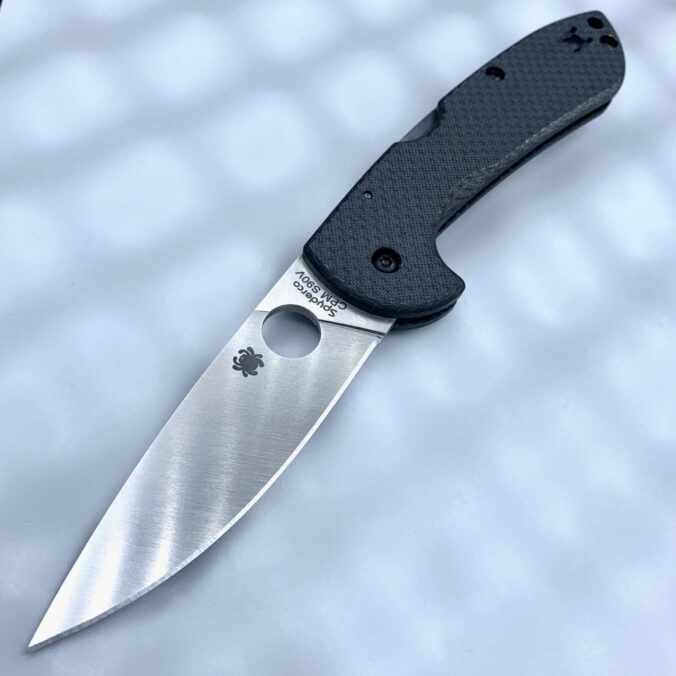
Spyderco Siren Sprint Run: Carbon Fiber, CPM S90V, and Collector Appeal

Some knives are built to become part of your everyday rotation.

Others are built to make collectors pay attention.

The Spyderco Siren C247CFP Sprint Run falls firmly into that second category — a limited-edition Spyderco folding knife with upgraded materials, a distinctive profile, and the kind of scarcity that makes Sprint Runs so appealing.

This week, Knife Depot members can save $15 in cart on this collector-worthy Spyderco feature.

A Sprint Run Worth Watching

Spyderco Sprint Runs have a special place with knife collectors because they are limited by nature. These are not standard catalog knives that sit around forever. Sprint Runs often bring together an existing design with special materials, unique finishes, or upgraded steel — and once they are gone, they can be difficult to find again.

That is what makes the Siren C247CFP Sprint Run such a strong feature.

This version of the Siren pairs a sleek carbon fiber handle with premium CPM S90V steel, giving the knife a refined, elevated feel that stands apart from the everyday folder.

Carbon Fiber Meets CPM S90V

The carbon fiber handle gives this Siren a clean, modern look with the kind of visual depth collectors tend to appreciate. It feels premium without being loud.

The CPM S90V blade steel is another major part of the appeal. Known for excellent edge retention, S90V is the kind of steel that gets attention from knife people who care about performance as much as collectibility.

Together, the carbon fiber and S90V combination makes this Sprint Run feel purposeful, premium, and limited in all the right ways.

Why Collectors Should Look Now

The Spyderco Siren already has a distinctive profile, and this Sprint Run treatment makes it even more interesting.

It is not just another knife with a different handle scale. It is a limited-edition Spyderco with a strong materials story, collector appeal, and a one-week members-only offer from Knife Depot.

Why We Like It:

  • Limited-edition Spyderco Sprint Run
  • Carbon fiber handle
  • Premium CPM S90V blade steel
  • Distinctive Siren profile
  • Strong collector appeal
  • Great fit for Spyderco fans
  • Members save $15 in cart for one week only

Members Save $15 This Week Only

For one week only, Knife Depot members save $15 in cart on the Spyderco Siren C247CFP Sprint Run.

If Sprint Runs are your weakness, this is the kind of knife worth looking at before the opportunity disappears.

Limited edition. Carbon fiber. CPM S90V. Collector-worthy Spyderco.

Shop the Spyderco Siren Sprint Run

The Weekly Edge: Hogue With a Military Edge

The Weekly Edge: Hogue With a Military Edge

Some knives are built to blend in. This week’s Weekly Edge feature is not one of them.

We’re spotlighting Hogue — a respected American knife maker known for precision, quality materials, and knives that feel purpose-built from the moment you pick them up.

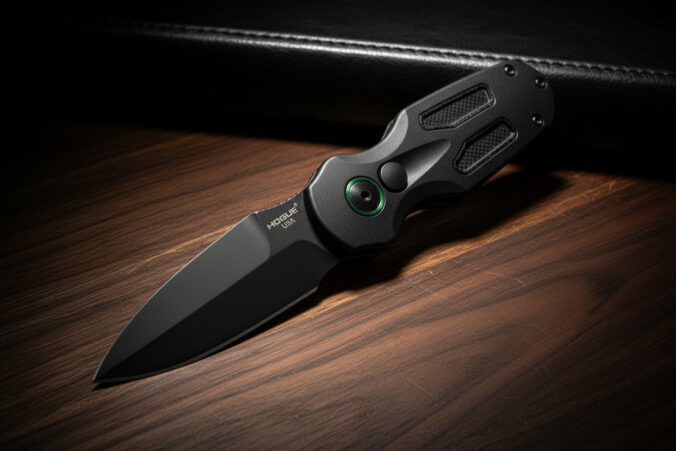
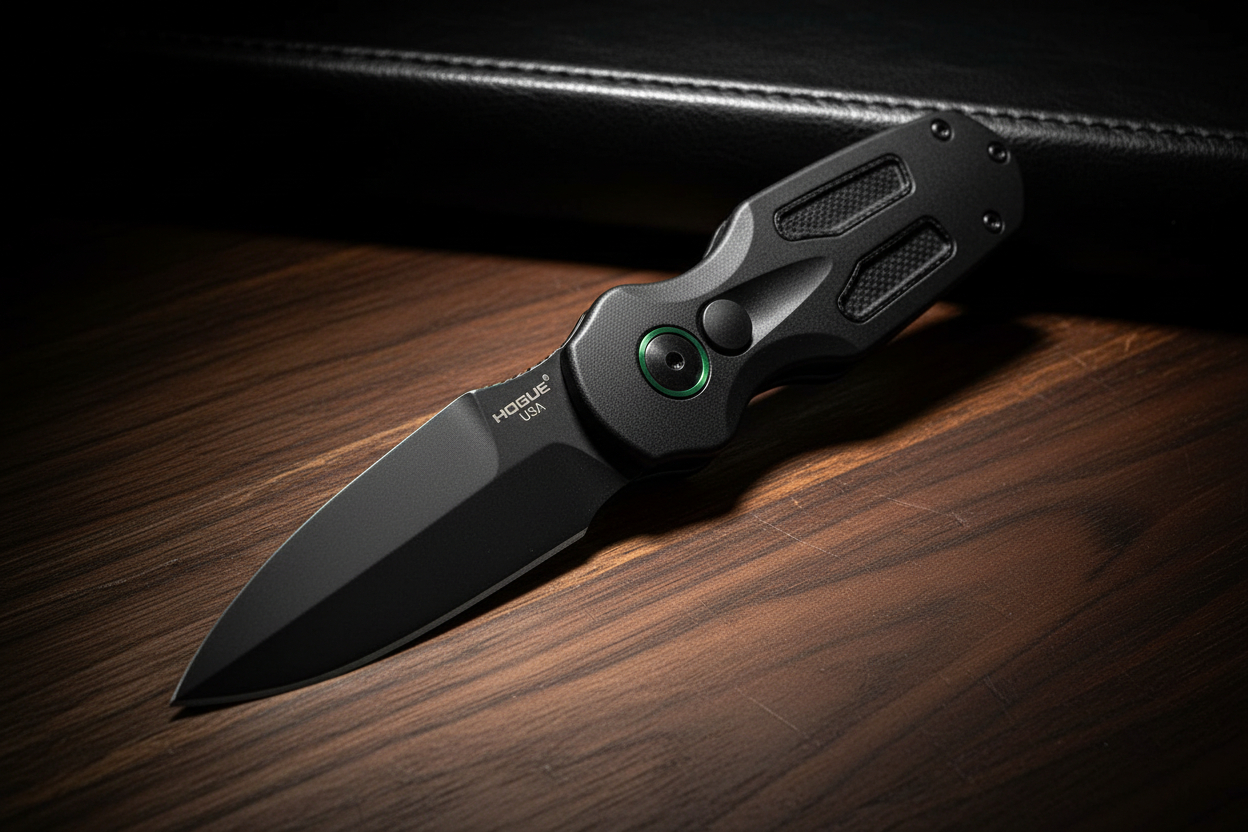
Leading this week’s lineup is a Hogue knife with one standout detail collectors will notice right away: a bayonet-style blade.

That blade profile gives the knife a bold, military-inspired look that feels clean, symmetrical, and unmistakably distinctive. It’s the kind of design that appeals to collectors, military history fans, tactical knife enthusiasts, and anyone who appreciates a knife with a little more presence.

But this Hogue feature is not just about looks. Hogue’s reputation for fit, function, and American-made craftsmanship gives this knife real substance behind the style.

Why We Like This Week’s Hogue Feature

  • Distinctive bayonet-style blade profile
  • Strong collector appeal
  • Military-inspired design character
  • American-made Hogue craftsmanship
  • Great fit for gear fans and military-related collections
  • Featured in this week’s Weekly Edge

And because this is The Weekly Edge, Knife Depot members get an exclusive offer:

Members save $10 on all featured Hogue knives in the collection.

If your collection could use something with a little more history, edge, and attitude, this week’s Hogue lineup is worth a closer look.

Hogue With a Military EdgeShop This Week’s Hogue Knife Offers

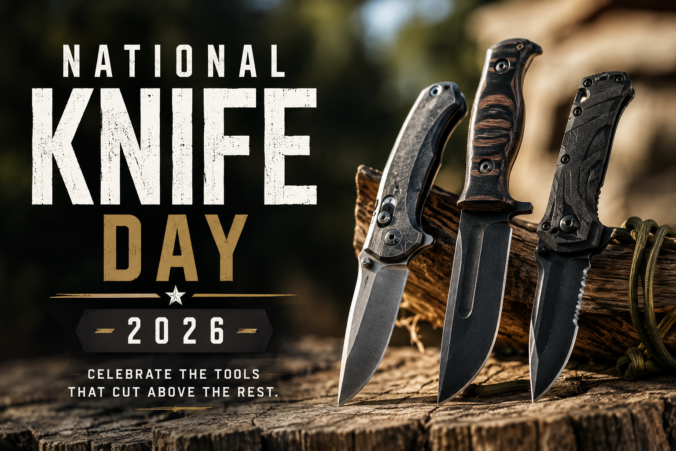
National Knife Day 2026

National Knife Day 2026: Celebrate the Blade with the Best EDC & Pocket Knives

Every August 24th, knife enthusiasts across the country come together to celebrate one of America’s most enduring tools — the knife. National Knife Day isn’t just a date on the calendar; it’s a nod to the craftsmanship, heritage, and everyday utility that knives have represented for generations. Whether you’re a seasoned collector, a dedicated outdoorsman, or someone who simply appreciates a well-made EDC blade, this is your day.

Why Knives Matter From the frontier days to the modern trail, knives have been indispensable. They’re tools of survival, precision instruments of craft, and — for many — a daily companion that quietly gets the job done. The best knives aren’t just functional; they’re a reflection of the maker’s art and the carrier’s character.

What to Look for in Your Next Knife Not all knives are created equal. Here’s what separates a great blade from a forgettable one:

  • Steel quality — CPM-154, S30V, and D2 are popular choices for their edge retention and corrosion resistance.
  • Blade geometry — Drop points for versatility, tanto for penetration, clip points for precision.
  • Handle ergonomics — G10, aluminum, and carbon fiber each offer a different feel and weight profile.
  • Locking mechanism — Frame locks, liner locks, and axis locks each have their strengths for EDC use.

Shop the National Knife Day Collection We’ve curated 235 knives for this year’s celebration — spanning classic folders, lightweight EDC carry, rugged fixed blades, and iconic designs from the industry’s most trusted brands including Benchmade, Kershaw, Spyderco, SOG, and more. Whether you’re treating yourself or finding the perfect gift for a fellow enthusiast, there’s something here for every style and budget.

👉 Shop the National Knife Day Collection →

A Tradition Worth Carrying National Knife Day is a reminder that the best tools are the ones you actually use. Pick up something new, sharpen what you’ve got, and carry it with pride. Here’s to the blade — and the tradition behind it.

The Weekly Edge: Gerber Propel Auto for Knife Month

The Weekly Edge: Gerber Propel Auto for Knife Month

Knife Month continues, and this week’s Weekly Edge puts the spotlight on a brand known for practical, dependable gear: Gerber.

Some knife brands are all about polish. Gerber has always leaned into usefulness. These are knives made for pockets, packs, work bags, glove boxes, outdoor kits, and the kind of everyday tasks that show up when you least expect them.

That makes Gerber a natural fit for Knife Month.

Knife Month is a chance to celebrate the craft of knife making,  not only the collector pieces and classic patterns, but also the hard-working knives that are built to be used. Gerber fits that story well because the brand has earned its place with practical designs, accessible utility, and knives that feel ready when you pick them up.

This week’s featured knife is a strong example.

Featured Pick: Gerber Propel Auto

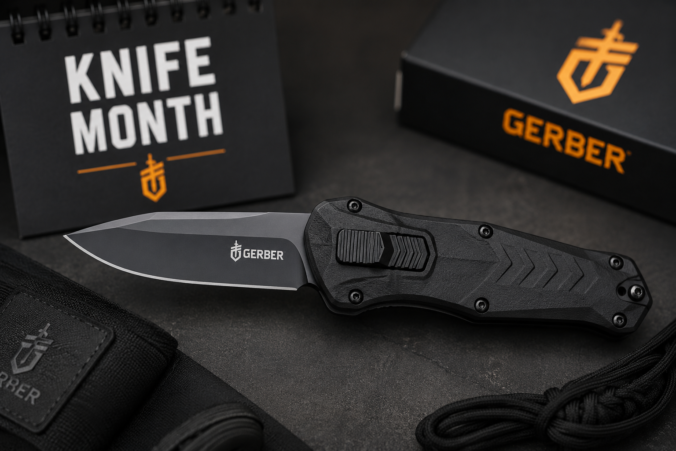
The Gerber Propel Auto brings speed, utility, and everyday toughness into one purpose-built automatic knife.

With its push-button automatic opening, tanto-style blade, partially serrated edge, textured G-10 handle, button lock, safety switch, and pocket clip, the Propel Auto is made for users who want a knife that feels secure, capable, and easy to keep close.

It has a clean, serious look without trying too hard. No gimmicks. No unnecessary flash. Just a practical Gerber knife built around fast deployment, confident grip, and real-world usefulness.

That is why it works so well as this week’s Weekly Edge feature.

Why We Like It

The Gerber Propel Auto checks the right boxes for a practical carry knife:

  • Push-button automatic opening
  • Tanto-style blade
  • Partially serrated edge for added utility
  • Textured G-10 handle
  • Button lock with safety switch
  • Pocket clip for convenient carry
  • Rugged, practical Gerber styling
  • Strong fit for Knife Month and everyday gear fans

This is the kind of knife that appeals to people who want gear that does not need a long explanation. It opens quickly, carries easily, and feels built for the jobs that come up during the day.

Gerber Utility Meets the Weekly Edge

For this week’s promotion, the Gerber Propel Auto gives us a different Knife Month story.

Case gave us heritage. Benchmade gave us modern American craftsmanship. Gerber brings the practical gear angle — knives designed to work, carry, and earn their place over time.

And because this is The Weekly Edge, Knife Depot members get exclusive in-cart savings on this week’s featured Gerber knife.

If you appreciate knives that are built around function first, the Gerber Propel Auto deserves a closer look.

Shop This Week’s Weekly Edge

Celebrate Knife Month with a knife made for real-world utility.

Shop the Gerber Propel Auto now and save with your members-only discount in cart.

Shop the Gerber Propel Auto

#KnifeDepot #GerberKnives #GerberGear #GerberPropelAuto #KnifeMonth #TheWeeklyEdge #EDCKnife #EverydayCarry #PocketKnife #AutomaticKnife #GearForLife #OutdoorGear #KnifeCollector #BladeCommunity #KnivesOfInstagram
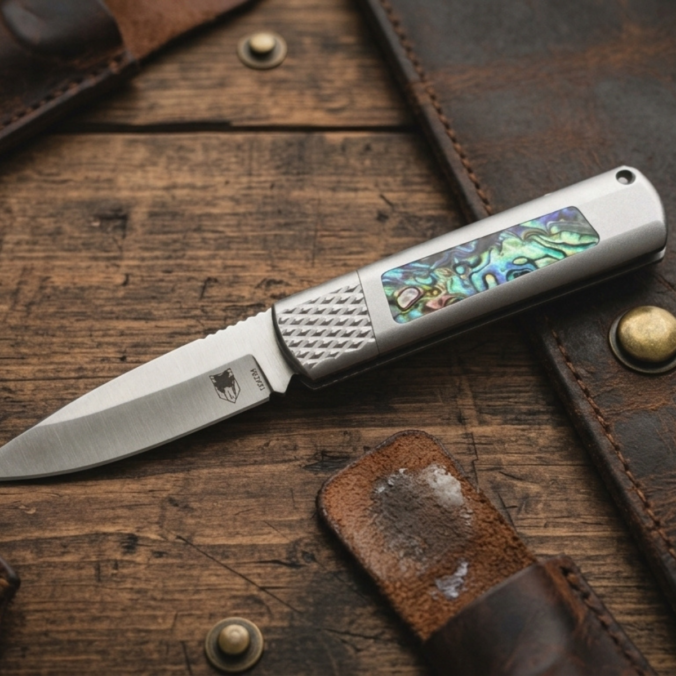
Celebrate Knife Month with a true American classic

Celebrate Knife Month with a true American classic.

This week’s Weekly Edge is all about Case Cutlery — one of America’s most iconic knife brands, known for timeless patterns, traditional craftsmanship, and pocket knives that have stayed sticky with collectors and everyday carriers for generations.

Our featured pick: the Case Pocket Worn Mahogany Bone Trapper.

Classic trapper pattern. Rich mahogany bone handle. Smooth pocket-worn feel. The kind of knife that looks like it already has a story behind it.

For a limited time, Knife Depot members save in cart on the featured Case Trapper and all qualifying Case knives.

Shop Case Cutlery at Knife Depot:
https://knife-depot.com/collections/case-cutlery

#KnifeDepot #CaseKnives #CaseCutlery #KnifeMonth #TheWeeklyEdge #PocketKnife #TraditionalKnife #KnifeCollector #AmericanClassic #EDCKnife #EverydayCarry #KnifeCommunity #KnivesOfInstagram

Fresh CRKT Knife Offers Just Landed

The Weekly Edge: Fresh CRKT Knife Offers Just Landed

This week’s Weekly Edge is all about value.

We’re spotlighting a fresh group of CRKT knives that bring practical design, everyday usefulness, and wallet-friendly pricing together in one sharp little lineup.

CRKT has earned a loyal following by making knives that are easy to carry, easy to use, and easy to recommend. These are the kinds of knives that do not need a long explanation. They are built for the pocket, the pack, the workbench, the glove box, and all the little cutting jobs that show up during the week.

New Arrivals. Real-World Utility. Strong Value.

Some knives are made for the display case.

These CRKT picks are made to be used.

Whether you are opening boxes, cutting cord, packing for a weekend outdoors, upgrading your everyday carry, or just adding another dependable folder to the rotation, this week’s CRKT offers are worth a look.

They hit that sweet spot between useful and affordable — which also makes them easy to grab as gifts, backups, or extra carry options.

Why We Like This Week’s CRKT Picks

This lineup checks a lot of boxes:

  • Practical everyday carry designs
  • Fresh arrivals from a trusted knife brand
  • Value pricing that makes it easy to say yes
  • Great options for work, home, camping, and general utility
  • Easy gift ideas for knife fans and gear lovers
  • Solid choices for building out your EDC rotation

If you like gear that is practical, useful, and ready to work without overcomplicating things, this week’s CRKT collection is right in the pocket.

Members Get the Edge

Because this is The Weekly Edge, Knife Depot members get access to an exclusive savings offer on this week’s featured CRKT knives.

Good knives. Strong value. Even better for members.

This week’s CRKT offers are a great chance to pick up something new, useful, and easy to carry — without stretching the budget.

Shop This Week’s CRKT Knife Offers

The Weekly Edge changes, so don’t wait too long to check out this week’s picks.

Shop the latest CRKT Knife of the Week offers now and find your next everyday carry favorite.

Shop This Week’s CRKT Offers

The Lucky 7: Seven Benchmade Knives Worth a Closer Look

Feeling lucky?

This week, we handpicked seven standout Benchmade knives that deserve a closer look.

From premium everyday carry options to distinctive collector-worthy designs, this curated lineup brings together seven sharp picks from one of the most respected names in knives.

Whether you’re looking to upgrade your carry, add something new to the collection, or finally grab the Benchmade you’ve had your eye on, your lucky number might just be seven.

Seven Benchmade knives. One featured collection. Which one gets your vote?

Shop the Lucky 7

How to Choose Durable Gear for Backcountry Adventures

durable gear for backcountry adventures

Source

Gear fails at the worst possible moments: a torn tent seam in a rainstorm, a backpack strap delaminating three miles from the trailhead, a sleeping pad deflating overnight at altitude. Choosing durable gear for backcountry camping means understanding what actually holds up under real conditions, not just what looks sturdy on a shelf or sounds impressive in a product description.

True durability comes down to four interconnected factors: materials, construction quality, repairability, and design that suits the specific demands of a trip. A quick way to evaluate any piece of gear is to check fabric strength and denier ratings, inspect seams for reinforcement and taping, look at hardware like buckles and zippers, and research whether the design has been field-tested over time.

This applies across every category, from a backpack and shelter to a sleeping bag and sleeping pad. Ultralight gear adds another layer of complexity, since weight savings often involve trade-offs that only become visible after repeated use, exposure to moisture, abrasion, and sustained load. The sections ahead break down how to read those trade-offs clearly.

What Durable Backcountry Gear Really Looks Like

When evaluating any piece of gear, a few markers stand out immediately. Fabric strength, reinforced seams, reliable hardware, and a field-tested design are the fastest indicators of whether something will hold up. Beyond that first pass, durability is really about how well gear performs across repeated use, moisture exposure, abrasion, and load, not just how tough it feels in a store.

It helps to keep a short checklist in mind:

  • Fabric strength and denier rating relative to the gear category
  • Reinforced seams with taping or bar-tack stitching at stress points
  • Reliable hardware, including buckles, zippers, and pole connections
  • Field-tested design with a track record across real backcountry conditions
  • Repairability, meaning whether the gear can be fixed in the field or serviced afterward

Marketing language like “rugged” or “heavy-duty” without supporting build details is worth treating with skepticism. The rest of this article explains how to look past those labels and evaluate gear on its actual construction.

How to Spot Quality in Materials and Build

Reading a product spec sheet is a skill worth developing. Knowing what fabric terms, denier ratings, and construction callouts actually mean helps separate genuinely durable gear from products that simply sound durable. Buyers in other gear-heavy categories apply the same logic: for example, those looking for cheap bulk ammo by the case rely on clear product specifications rather than vague marketing claims to judge consistency and value. The same principle applies here.

Materials That Hold Up on Rough Trips

Not every durable material is a heavy one. Denier measures thread thickness in synthetic fabrics, and while higher denier generally means more abrasion resistance, context matters a great deal. A 70D ripstop nylon floor on a Big Agnes tent is intentionally lighter than a 150D base, but the ripstop weave compensates by distributing tear forces across a grid pattern rather than concentrating them in a single thread.

Face fabric and coatings work together, so evaluating one without the other misses the full picture. A DWR coating on rain gear determines how well water beads off the outer shell, while the membrane underneath handles breathability. For a backpack, the relevant question is abrasion resistance at the base and contact points. For a tent, it shifts toward waterproof ratings and floor puncture resistance.

Category shapes every material judgment. Osprey and MSR engineer their products for different stress profiles, and a denier threshold that signals quality on a backpack means very little when applied to a tent fly or a stove carry case.

Construction Details That Signal Longevity

Seams, stitching, and hardware reveal more about a product’s lifespan than fabric specs alone. Bar-tack stitching at high-load points, such as shoulder strap attachments and lid buckles, reinforces exactly where stress concentrates during a loaded carry. YKK zippers are a widely recognized indicator of pull quality and long-term reliability across rain gear, packs, and shelters.

Specific callouts like reinforced corners, taped seams, or welded attachment points give something concrete to evaluate, while vague language like “rugged” or “heavy-duty” without supporting build details is a flag worth noticing.

durable gear for backcountry adventures

Source

Match Durability to the Abuse Your Trip Adds

Durability is not a fixed quality; it shifts depending on what a trip actually demands. A shelter that holds up perfectly on a forested three-season weekend may degrade quickly on an exposed ridge with freeze-thaw cycles, persistent moisture, and high UV at elevation.

Route type, terrain, and season each change which failure risks matter most. Scrambling on talus puts very different pressure on footwear than soft trail hiking does, and bushwhacking through dense brush abrades pack fabric in ways that groomed trails never would.

It helps to think in specific stressors before buying:

  • Abrasion from rock, brush, and repeated pack loading affects the base of a backpack and the outsole of footwear first
  • UV exposure over multi-day trips degrades coatings on shelter fabrics and rain gear faster than single-night use
  • Moisture cycling and mud accelerate wear on zippers, buckles, and filter membranes
  • Freeze-thaw shifts stress tent poles, tent floor laminates, and adhesive seam tape over time
  • Pack weight amplifies stress at every contact point, from hip belt stitching to shoulder straps

Backcountry camping rarely delivers one type of abuse cleanly. Most trips combine several of these stressors at once, which is why identifying the highest failure risks for a specific route before buying leads to better decisions than defaulting to whatever is marketed as tough.

Where to Spend for Toughness and Where to Cut

Durability is best treated as a selective investment rather than a blanket standard applied equally across every gear category. Some items face far more stress than others, and that difference should guide where the budget goes.

Gear That Deserves Your Durability Budget

Some categories earn a higher durability investment because failure carries real consequences for safety, comfort, and completing a trip.

A backpack absorbs constant load stress across hundreds of flexion cycles per day. A tent takes wind, moisture, and ground abrasion on every outing. A sleeping bag and sleeping pad determine whether rest is actually restorative. Footwear handles the combined weight of the hiker and their pack across uneven terrain for hours at a stretch. A stove takes repeated heat cycling and handling in conditions that accelerate wear on joints and valves.

These are the categories where spending more on proven construction pays back across many trips rather than just one.

When Lighter Gear Is Still the Smart Pick

Ultralight gear is not automatically a compromise. For shorter trips, well-maintained trails, and experienced hikers with precise pack weight discipline, lower-margin materials perform reliably within their intended range.

The relevant factors are trip length, terrain type, and how much abuse the gear will realistically absorb. A thru-hiker who replaces gear seasonally may find ultralight options cost-effective overall, while a beginner on a week-long remote route generally benefits from the extra margin that heavier, more forgiving construction provides.

The goal is gear that is durable enough for the specific trip, not simply the heaviest available option in each category.

How to Judge the Key Gear Categories

Durability shows up differently depending on the category, so the same evaluation criteria do not apply uniformly across a full kit. Breaking things down by gear type makes comparisons more practical.

Backpack, Shelter, and Sleep System

A well-fitted backpack distributes load through a frame that flexes without buckling, so checking hip belt construction, shoulder strap attachment points, and base fabric reinforcement tells more about longevity than brand name alone. High-wear zones at the base and side compression areas show wear first, and quality models from REI or Osprey use heavier denier fabric specifically in those spots.

For tents and shelters, pole material and diameter, seam taping, floor fabric weight, and guyline attachment points are the details worth comparing directly. A tent floor faces abrasion from both the ground and packed gravel underneath.

Sleeping systems require looking at shell fabric durability alongside insulation protection and pad construction. Sleeping pad R-value reflects thermal resistance, and the ASTM R-value standard gives that number a consistent, testable meaning. Therm-a-Rest pads are rated under this standard, making comparisons across brands more reliable.

Footwear, Water, and Cooking Essentials

Footwear wears at the outsole first, particularly under the ball of the foot and heel, so sole thickness and rubber compound matter beyond upper construction.

Water filters clog or crack at the membrane under repeated freezing and heavy sediment loads, making maintenance access a practical buying criterion. Stoves wear at burner jets and valve threads, and models with replaceable parts extend usable life considerably compared to sealed units.

Maintenance Habits That Make Gear Last Longer

How gear gets treated between trips affects how long it performs on them. Dirt, moisture, and improper storage quietly break down materials long before the trail does.

Cleaning and drying gear before putting it away prevents coating breakdown and mildew. Rain gear that goes back into a stuff sack while still damp loses its DWR performance faster. A sleeping bag stored compressed loses loft over time, so hanging or storing it loosely in a large sack preserves insulation fill.

Tents should be dried fully before storage, and sleeping pads benefit from being left unrolled to relieve valve and foam stress. Small field repairs, such as patching a torn seam, swapping a tent pole section, or addressing footwear delamination before the next outing, keep minor damage from becoming a trip-ending problem.

Carrying a basic repair kit that includes knives built for wilderness survival expands what is fixable in the field. Pairing that with blades suited for camping and survival covers a wider range of cutting and repair tasks without adding significant weight.

Choose for the Long Haul, Not Just the Next Trip

Durable gear for backcountry camping is not about buying the heaviest or most technical option available. It comes down to matching build quality to terrain, frequency of use, and the category-specific stress a trip actually creates.

The best decisions balance construction quality, weight, and repairability against realistic needs. A thoughtful purchase, paired with consistent maintenance, will outperform a tougher-looking option that gets stored carelessly, overloaded, or mismatched to the route. Managing pack weight thoughtfully and choosing ultralight options within their intended range rounds out a framework that holds up across many seasons.

Members Save $10 on the SIG SAUER ROSE Knife

Sleek enough to gift. Practical enough to carry.

The SIG SAUER ROSE RS-5BB Assisted Opening Knife brings together a sharp black-and-rose look with real everyday carry utility.

It features a 2.93″ Nitro V stainless steel blade, black PVD coating, G10 handle, smooth ceramic ball-bearing deployment, liner lock, and an integrated emergency window breaker.

Compact, capable, and easy to keep close — this is a standout EDC for SIG SAUER fans, knife collectors, and anyone who appreciates gear with a little extra confidence built in.

Regular Price: $99.99
Members-Only Offer: Save $10

Shop it now at Knife Depot:
https://knife-depot.com/products/sig-rs-5bb-rose-2-93-blk-rose

#KnifeDepot #SIGSAUER #EverydayCarry #EDCKnife #PocketKnife #KnifeCollector #GearForLife #UsefulGifts #BladeCommunity #KnivesOfInstagram
Did you forget about dear old Dad?

Did you forget about dear old Dad?

No judgment. It happens.

The good news: Knife Depot still has gift-worthy knives that feel personal, practical, and a lot more memorable than another pair of socks.

Whether Dad is into pocket knives, outdoor gear, collectibles, or everyday carry, there’s still time to pick out something he’ll actually use.

Make it count with a Father’s Day gift from Knife Depot.

Shop Father’s Day Gifts

fathers-day-knife-gifts

the-french-revolution-in-cigar-accessories

top-25-best-sellers

© 2026 The Cutting Edge

Theme by Anders NorenUp ↑