Claims and linked product configurations reviewed November 9, 2026.
What’s the Real Difference?
Let’s clear something up: just because a knife looks like it could repel a zombie horde doesn’t mean it’s the best fit for opening Amazon boxes or slicing apples on your lunch break.
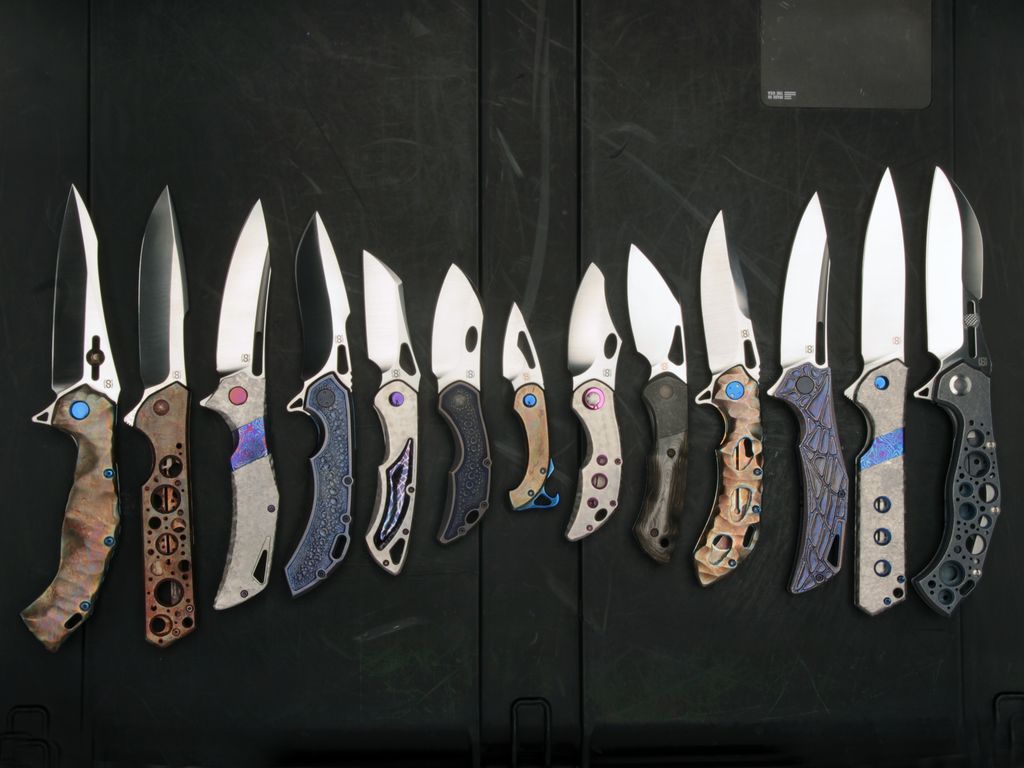
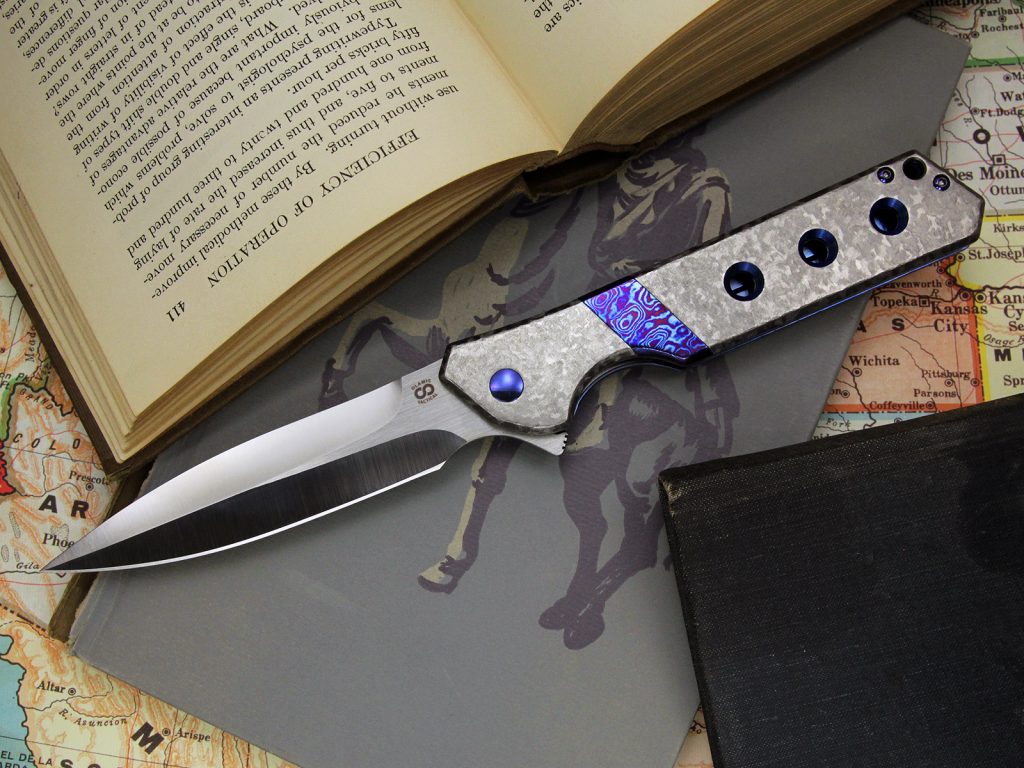
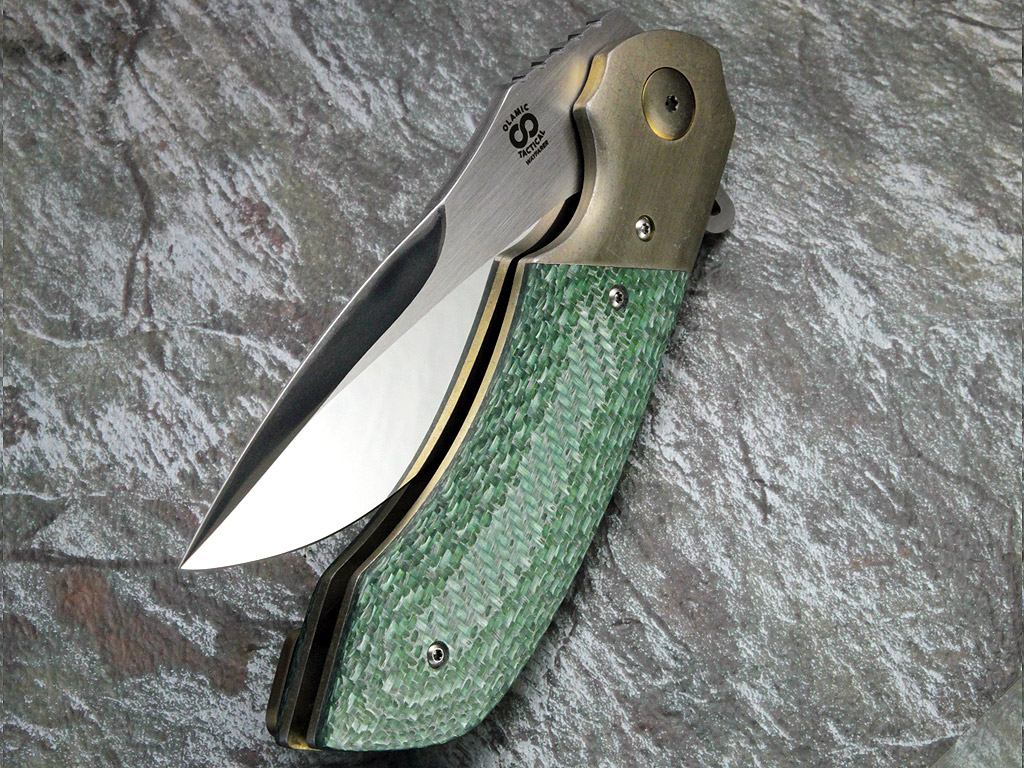
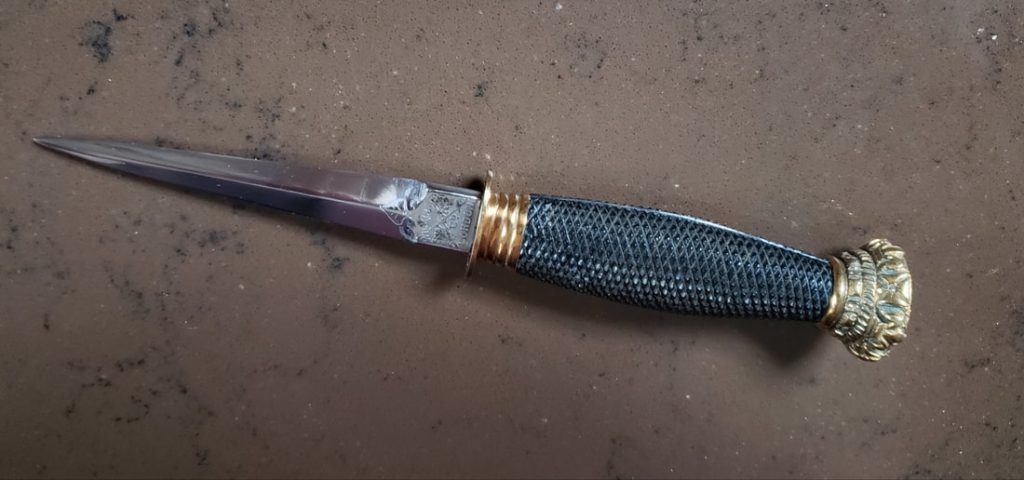
Tactical knives and EDC (Everyday Carry) knives often get tossed into the same bin—sometimes literally. These labels overlap and are not uniform performance standards. Compare the exact design with your everyday cutting tasks, carry needs and any workplace requirements.
So, What Makes a Knife “Tactical”?
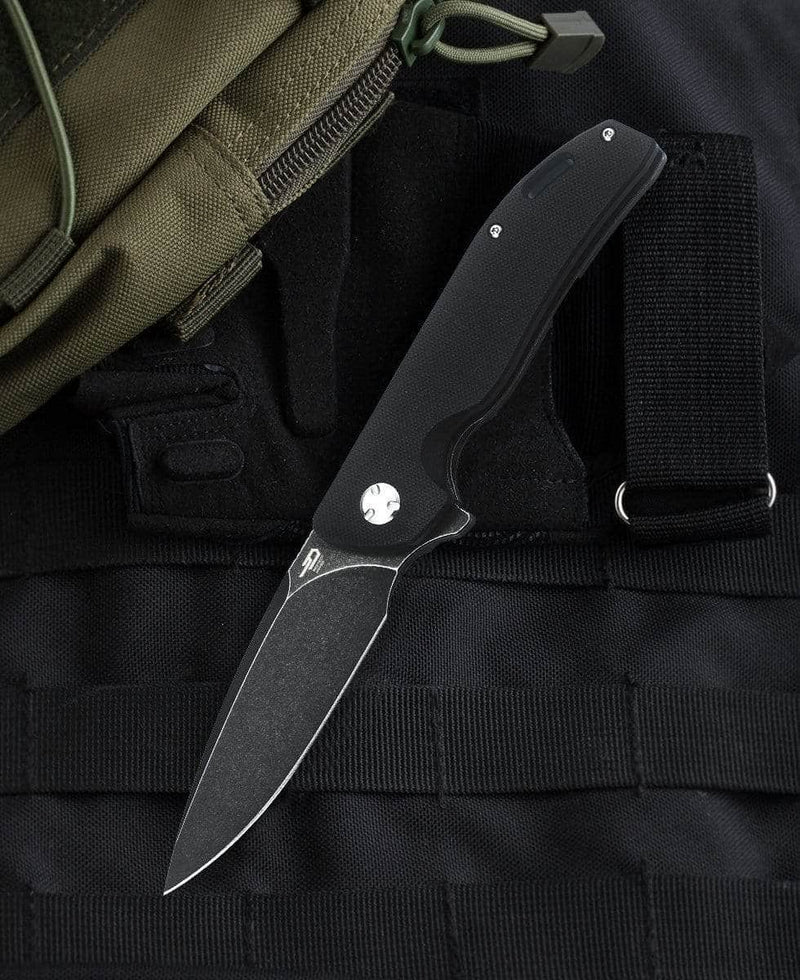
It’s more than just black paint and aggressive angles (though, let’s be honest, those don’t hurt).
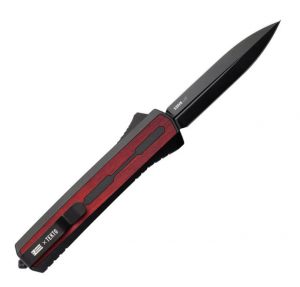
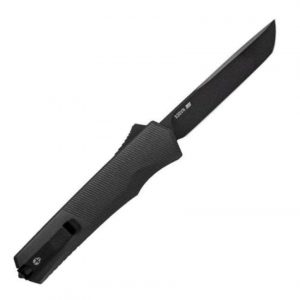
“Tactical” often describes a design’s intended professional or specialized role. Useful features to compare include:
- Opening controls – check the exact mechanism and operating instructions
- Handle and grip – compare fit, texture and control with the gloves and conditions you expect
- Blade geometry – identify the shape, edge and suitability for your actual cutting tasks
- Construction and care – follow the maker’s intended uses and limits; a tactical label does not prove abuse resistance
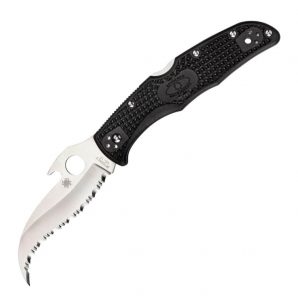
The linked Spyderco Matriarch 2 C12SBK2W is a specialized example: a 3.57-inch serrated VG-10 reverse-S blade, FRN handle, back lock and Emerson Opener. Those features distinguish it from a conventional utility folder; they do not establish a defensive outcome. Match the exact suffix before comparing another Matriarch version.
When to Go Tactical
A specialized design may be relevant if your work or activity calls for specific features. Consider the actual requirements if you:
- Work in law enforcement, military, or security
- Train for self-defense or martial arts
- Spend time in remote areas or survival scenarios
For professional use, follow employer requirements and relevant training. A product category does not certify a knife for every emergency or outdoor task.
What Makes an EDC Knife Tick?
Now, EDC knives are your daily driver—the goal is a convenient tool for routine cutting. Carry comfort, control and suitability matter more than styling.
Typical EDC features:
- Simplicity and comfort – lightweight and easy to carry
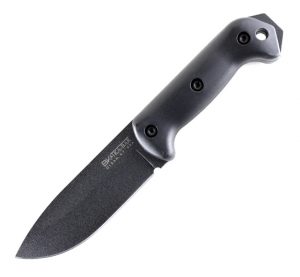
- Utility-focused design – choose an edge and blade shape suited to your tasks
- Carry requirements – check current rules for the exact knife, location and manner of carry; no length is universally permitted
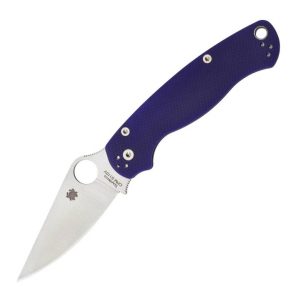
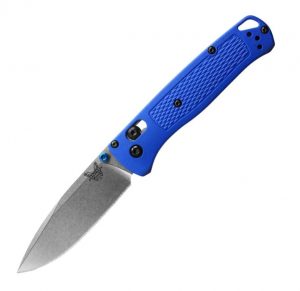
Compare the linked Para 3 C223GS, a serrated S45VN/G-10 version, with the Bugout 535, a manual CPM-S30V folder with blue Grivory handles. Do not treat the serrated Para 3 listing as a plain-edge example or transfer another Bugout variant’s materials to the 535. These are cutting tools, not general-purpose pry bars.
The Best of Both Worlds: Crossover Blades
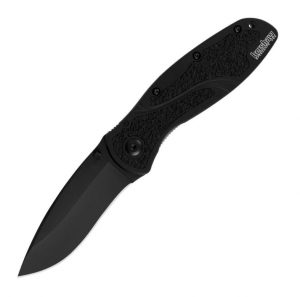
Some knife families include options that may suit daily cutting and field use. Match the exact configuration rather than assuming a family name guarantees performance:
- Benchmade Griptilian – compare the specific model’s blade, handle, AXIS lock and current availability.
- Kershaw Blur models – compare the exact assisted-opening model, blade steel, handle and current availability.
Summary
Choose the exact knife for the work you actually do. Tactical and EDC labels overlap; neither establishes safe prying, legal carry, grip under every condition or defensive effectiveness. Compare specifications, handling instructions and applicable rules before buying.
What’s Your Take?
What features matter most in your everyday cutting tool? Got a favorite configuration?
Drop your go-to knife in the comments or tag us in your EDC photo—let’s see what you’re carrying and why.
#TacticalVsEDC #KnifeDepotCarry