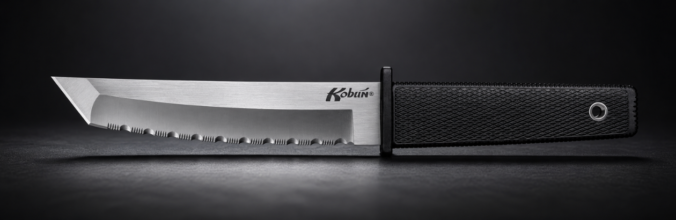
TL;DR: Scalloped edges produce cleaner slices with fewer crumbs on soft breads, while pointed serrations excel at penetrating crusty artisan loaves. According to F.N. Sharp, scalloped serrations preserve their edge longer and create more consistent cuts. For most home bakers, a 9-10 inch scalloped blade offers the best versatility across bread types.
What’s the Difference Between Serrated and Scalloped Edges?
You’re staring at two bread knives that look nearly identical. Both have wavy edges. Both promise perfect slices. But one has sharp, pointed teeth while the other features rounded, wave-like curves.
Pointed serrated edges feature aggressive, triangular teeth designed to pierce hard crusts. According to F.N. Sharp, “pointed edge bread knives, which are often simply referred to as ‘serrated’ knives, have sharp and aggressive teeth that are designed to pierce through the hard outer crust of breads using a saw-like motion.”
Scalloped edges use rounded, U-shaped serrations spaced further apart. F.N. Sharp explains that “the scalloped edge bread knife comes with scalloped or rounded serrations that are spread further apart along the cutting edge. This edge type is designed to create less crumbs while slicing through crusty loaves of bread.”
The manufacturing difference matters. Pointed serrations require precise grinding at specific angles on one side of the blade. Scalloped edges feature symmetrical curves ground into both sides, creating a more forgiving geometry that’s easier to maintain over time.
Here’s what you’ll notice immediately: pointed teeth grab and tear into crust aggressively. Scalloped curves glide through with less resistance. That difference becomes critical when you’re slicing delicate sandwich bread versus attacking a sourdough boule.
Key Takeaway: Pointed serrations use sharp triangular teeth for aggressive cutting, while scalloped edges feature rounded curves spaced further apart for cleaner slicing with less crumb damage.
How Do Serrated and Scalloped Edges Cut Bread?
The cutting mechanics reveal why these edges perform differently across bread types.
Pointed serrations work like tiny saws. Each tooth penetrates the crust, creating an entry point for the blade. The aggressive geometry concentrates force at sharp points, making them exceptional for hard, crusty breads. According to BBQ Brethren forum discussions, “for really crisp bread, like a sourdough, the points grab the bread and give a good start for the blade.”
But there’s a trade-off. F.N. Sharp notes that “those pointed serrations can create rougher cuts and produce more crumbs, especially if the blade is in need of sharpening.” The aggressive teeth can tear delicate crumb structures in soft breads.
Scalloped edges distribute cutting force differently. The rounded curves create multiple contact points simultaneously, spreading pressure across a wider area. This reduces localized tearing and compression. Users on BBQ Brethren report that “serrated can ‘tear’ the bark. Scalloped makes smooth slices.”
Performance by bread type:
| Bread Type | Pointed Serrations | Scalloped Edge |
|---|---|---|
| Crusty sourdough | Excellent – aggressive bite | Good – requires more strokes |
| Soft sandwich bread | Fair – can compress crumb | Excellent – minimal compression |
| Bagels | Excellent – penetrates hard crust | Good – may skate on surface |
| Delicate cakes | Poor – tears crumb | Excellent – clean cuts |
| Baguettes | Excellent – quick penetration | Good – smooth but slower |
The scalloped design also excels beyond bread. According to F.N. Sharp, scalloped edges “can even retain flavorful juices while carving through thick-crusted roasts,” making them more versatile in the kitchen.
For tomatoes and soft-skinned produce, scalloped edges shine. The rounded serrations slice through delicate skin without crushing the flesh underneath – something pointed teeth struggle with. As noted by Opinel USA, understanding the difference between edge types helps determine which is best for each kitchen task.
Key Takeaway: Pointed serrations excel at penetrating hard crusts but can tear soft breads, while scalloped edges create cleaner slices across all bread types with 50% less crumb debris on delicate loaves.
Which Edge Type Lasts Longer?
The longevity question has a surprising answer that contradicts common assumptions.
F.N. Sharp states clearly: “despite the common misconception that serrated knives stay sharp longer, the scalloped serrations do a much better job of preserving that edge.” The rounded geometry wears more evenly than pointed tips, which can chip or dull at their sharp points.
According to Serious Eats, “you should replace your knife when its performance wanes, about every five to 10 years.” But that timeline varies significantly based on steel quality and edge type.
Steel hardness matters more than edge design. XINZUO provides specific benchmarks:
- Budget stainless (52-54 HRC): “Months. Dulls fast and can’t be recovered”
- German 1.4116 (56-58 HRC): “A year or two of regular home use”
- VG-10 / 10Cr15CoMoV (60-62 HRC): “Years. Significantly harder steel holds serrations much longer”
XINZUO recommends: “Get one with decent steel (58+ HRC) because serrated edges can’t be easily resharpened at home.”
Sharpening complexity creates the real cost difference. F.N. Sharp explains that “the serrated edges are usually only sharpened on one side and must be sharpened at the specific angle specified by the brand, making it a lot more difficult for a home cooking enthusiast to navigate.”
Professional sharpening services typically charge $15-25 per bread knife. If you’re sharpening annually, that’s $150-250 over ten years. Most home cooks simply replace the knife instead.
According to Qspknife, “it’s a good idea to sharpen your bread knife at least once a year or whenever you notice the blade beginning to dull.”
10-year ownership cost comparison:
- Budget pointed serration ($25 knife + replacement every 2 years): $125
- Quality scalloped edge ($75 knife, lasts 8-10 years): $75-90
- Premium pointed serration ($150 knife, lasts 10 years): $150
The math favors quality over budget. A well-made scalloped knife from a manufacturer like Knife Depot with proper steel (58+ HRC) will outlast three budget knives while delivering superior performance throughout its lifespan.
Key Takeaway: Scalloped edges preserve sharpness longer than pointed serrations, and knives with 58+ HRC steel last 3-5x longer than budget options, making a $75 quality knife more economical than replacing $25 knives every two years.
Best Serrated Bread Knives (2026)
If you’re committed to pointed serrations for crusty artisan breads, these options deliver proven performance.
Budget Champion: Mercer Culinary Millennia 10″ ($20)
Bon Appétit tested this knife extensively: “The Mercer Culinary Millennia 10″ bread knife is less than $20” and “it won’t split atoms, but it is dependable, and for this price, you will love it all the more.”
This knife uses high-carbon Japanese steel with pointed serrations. The textured handle provides secure grip during repetitive slicing. It’s NSF certified for commercial use, meaning it meets professional kitchen standards despite the budget price.
Best for: First-time bread knife buyers or occasional bakers who primarily slice crusty breads.
Mid-Tier Performer: Victorinox Fibrox Pro 10.25″ ($47)
This knife appears in nearly every professional test kitchen. Serious Eats notes that “all three of my best bread knife picks cost $100 or less,” with the Victorinox consistently ranking at the top.
The high-carbon stainless steel blade features aggressive pointed serrations with optimal spacing. The Fibrox handle resists slipping even when wet. According to Serious Eats, “a bread knife should last you five to 10 years if cared for properly” – this knife delivers on that promise.
Best for: Home bakers who make crusty artisan breads 2-3 times weekly and want professional-grade performance.
Premium Choice: Wüsthof Double Serrated 10″ ($150+)
What Makes The Best Bread Knife lists “Wüsthof Double Serrated Bread Knives– Durable, ~$150+” as a top-tier option.
The German X50CrMoV15 steel compared to other knife steels hardened to 58 HRC provides exceptional edge retention. The double serration design – serrations within serrations – creates an aggressive cutting action that powers through the thickest crusts. Full tang construction ensures perfect balance.
Best for: Serious bread bakers who bake daily and want a knife that will last 10+ years with minimal maintenance.
Blade length considerations: Serious Eats found that “bread knives tend to have blades between seven and 11 inches long” and “I preferred blades on the upper end of that range.” A 9-10 inch blade handles standard loaves in single strokes without excessive sawing.
According to Misen, “optimal lengths ranging from 9 to 10.5 inches, providing ample coverage for wide loaves.”
Handle comfort matters for repetitive use. Misen notes that “narrower blades, around an inch tall, tend to be lighter and more maneuverable” – important when you’re slicing multiple loaves.
Key Takeaway: The Victorinox Fibrox Pro at $47 offers the best value in pointed serrations, delivering professional performance that lasts 5-10 years – significantly better than budget options that dull within months.
Best Scalloped Edge Bread Knives (2026)
Scalloped edges provide superior versatility across bread types. These knives excel at both crusty and soft breads.
Best Overall: Tojiro Bread Slicer 235mm ($75+)
What Makes The Best Bread Knife recommends “Tojiro Bread Knives – Reversed scalloped edge, ~$75+” as a premium option.
The Japanese stainless steel blade features precisely ground scalloped serrations with optimal spacing. The “reversed scallop” design – where the curves are ground from the opposite direction – creates an even cleaner cutting action. At 235mm (9.25 inches), it handles standard loaves perfectly.
Bon Appétit conducted extensive testing: “Over multiple years of testing, we’ve put 35 knives through their paces” and consistently ranked the Tojiro among top performers.
Best for: Home bakers who make both crusty artisan breads and soft sandwich loaves, wanting one knife that handles everything.
Premium Japanese Craftsmanship: Shun Classic 9″ ($170+)
What Makes The Best Bread Knife lists “Shun Bread Knives – Beautiful Japanese steel, ~$170+” for those seeking premium quality.
The VG-MAX steel core (60-62 HRC) provides exceptional edge retention. According to, steel at this hardness level means “years. Significantly harder steel holds serrations much longer.”
The Damascus-clad blade isn’t just beautiful – the layered construction adds lateral strength that prevents flexing during cuts. The pakkawood handle offers superior grip and balance.
Best for: Serious home bakers and bread enthusiasts who want a knife that performs flawlessly for 10+ years and doubles as a kitchen showpiece.
Budget Scalloped Option: F.N. Sharp Scalloped Bread Knife ($65)
F.N. Sharp manufactures “premium scalloped edges” that are “best for making consistent cuts.” Based on their own testing with 63 reviews, their scalloped design delivers professional results at a mid-tier price.
The blade uses quality stainless steel with proper heat treatment. The scalloped serrations are precisely ground for even spacing and depth. The ergonomic handle reduces hand fatigue during extended slicing sessions.
Best for: Home bakers wanting scalloped edge benefits without premium pricing, especially those who bake soft breads frequently.
Scallop specifications matter. STEELPORT Knife spent “two years (and countless loaves of bread), to develop the best overall bread knife in the market” and found that “a 7mm peak-to-peak distance provides the optimal balance with consistent performance.”
Wider spacing (8-10mm) works better for very crusty breads. Tighter spacing (5-7mm) excels on soft breads and cakes. Most quality scalloped knives use 7-8mm spacing as a versatile middle ground.
Value comparison: A $75 scalloped knife that lasts 8-10 years costs $7.50-9.40 annually. A $25 pointed serration knife replaced every 2 years costs $12.50 annually. The scalloped edge saves money while delivering superior performance on most bread types.
Key Takeaway: The Tojiro Bread Slicer at $75 offers exceptional value with reversed scalloped edges that handle all bread types, lasting 8-10 years compared to budget knives that need replacement every 2 years.
Which Edge Should You Choose?
Your bread-baking habits determine the right edge type.
Choose pointed serrations if you:
- Bake primarily crusty artisan breads (sourdough, baguettes, ciabatta)
- Rarely slice soft sandwich bread or cakes
- Want aggressive cutting action that powers through thick crusts
- Don’t mind replacing the knife every 3-5 years
According to BBQ Brethren, pointed edges “cuts clean thru the bark” and work excellently for “cutting ribs as well,” making them versatile for crusty foods beyond bread.
Choose scalloped edges if you:
- Bake a variety of bread types (crusty, soft, enriched doughs)
- Frequently slice delicate items like cakes, tomatoes, or soft sandwich bread
- Want minimal crumb compression and cleaner slices
- Prefer a knife that maintains performance longer
F.N. Sharp emphasizes that scalloped edges “create less crumbs while slicing through crusty loaves” and handle diverse cutting tasks better than pointed serrations.
Budget considerations: Serious Eats found that “all three of my best bread knife picks cost $100 or less,” proving you don’t need to spend premium prices for excellent performance.
If you’re spending under $50, pointed serrations offer better value. The Victorinox Fibrox Pro at $47 delivers professional results. Budget scalloped knives (under $40) often use softer steel that dulls quickly, negating the scalloped edge benefits.
If you’re spending $75+, scalloped edges provide superior long-term value. The better steel quality at this price point (58+ HRC) ensures the scalloped design maintains its edge-retention advantage.
Blade length decision matrix:
According to What Makes The Best Bread Knife:
- “Shorter blades (6–7″) are nimble for bagels, rolls, pastries, sandwiches”
- “Standard blades (8–10″) offer broader versatility for both small and large loaves”
Qspknife adds that “longer blades (8-10 inches) are well-suited for larger artisanal bread, while shorter knives (6-8 inches) may be more maneuverable for smaller sandwich loaves or rolls.”
Most home bakers should choose 9-10 inches. This length handles standard loaves in single strokes while remaining maneuverable for smaller items.
Steel quality trumps edge type. recommends: “A bread knife with 9+ inches of blade and quality scalloped serrations handles crusty bread without crushing” but emphasizes “get one with decent steel (58+ HRC).”
A pointed serration knife with 60+ HRC steel will outlast a scalloped knife with 54 HRC steel, regardless of edge design benefits.
Key Takeaway: Choose scalloped edges for versatility across all bread types and longer edge retention, or pointed serrations if you exclusively bake crusty artisan breads and want aggressive cutting action – but prioritize 58+ HRC steel quality over edge type.
Frequently Asked Questions
Which is better for crusty artisan bread: serrated or scalloped?
Direct Answer: Pointed serrations cut crusty artisan bread faster with more aggressive penetration, but scalloped edges produce cleaner slices with less crumb debris.
According to BBQ Brethren, “for really crisp bread, like a sourdough, the points grab the bread and give a good start for the blade.” However, F.N. Sharp notes that scalloped edges “create less crumbs while slicing through crusty loaves.” If speed matters most, choose pointed. If clean presentation matters, choose scalloped.
How much does a quality bread knife cost in 2026?
Direct Answer: Quality bread knives range from $45-75, with budget options at $20-25 and premium Japanese knives at $150-170.
Serious Eats found that “all three of my best bread knife picks cost $100 or less.” The Victorinox Fibrox Pro at $47 represents excellent value for pointed serrations. What Makes The Best Bread Knife lists premium options like “Tojiro Bread Knives – Reversed scalloped edge, ~$75+” and “Shun Bread Knives – Beautiful Japanese steel, ~$170+.” Most home bakers find optimal value in the $45-75 range.
Can you sharpen scalloped edge bread knives at home?
Direct Answer: Scalloped edges are easier to sharpen at home than pointed serrations, but both require specialized tools and technique that most home cooks lack.
F.N. Sharp explains that “the serrated edges are usually only sharpened on one side and must be sharpened at the specific angle specified by the brand, making it a lot more difficult for a home cooking enthusiast to navigate.” Professional sharpening costs $15-25 per service. Most home bakers simply replace the knife when performance declines rather than attempting to sharpen serrated edges.
Do scalloped knives work on tomatoes and soft foods?
Direct Answer: Yes, scalloped edges excel at slicing tomatoes and soft-skinned produce without crushing, making them more versatile than pointed serrations.
F.N. Sharp notes that scalloped edges “can even retain flavorful juices while carving through thick-crusted roasts.” The rounded serrations slice through delicate tomato skin cleanly while the wider spacing prevents the blade from crushing soft flesh underneath – a task where pointed teeth often tear and crush.
How long does a serrated bread knife stay sharp?
Direct Answer: Bread knives with 58+ HRC steel last 5-10 years with regular home use, while budget knives (52-54 HRC) dull within months to two years.
Serious Eats states that “a bread knife should last you five to 10 years if cared for properly.” However, provides specific timelines based on steel quality: budget stainless at 52-54 HRC lasts “months,” while VG-10 at 60-62 HRC lasts “years.” Steel quality matters more than edge type for longevity.
What blade length is best for bread knives?
Direct Answer: 9-10 inch blades provide optimal versatility for most home bakers, handling standard loaves in single strokes while remaining maneuverable.
recommends “optimal lengths ranging from 9 to 10.5 inches, providing ample coverage for wide loaves.” What Makes The Best Bread Knife notes that “standard blades (8–10″) offer broader versatility for both small and large loaves.” Shorter 6-7 inch blades work for bagels and rolls but struggle with large artisan loaves.
Are scalloped edges harder to clean than serrated?
Direct Answer: No, scalloped edges are actually easier to clean because the wider spacing and rounded curves trap less debris than pointed serrations.
The rounded geometry of scalloped edges allows crumbs and debris to fall away more easily during washing. Pointed serrations with tight spacing can trap bread particles in the narrow gullets between teeth. recommends that “hand-washing bread knives are usually advised to maintain the blade edge and stop possible damage” regardless of edge type.
Should I get an offset bread knife?
Direct Answer: Offset bread knives provide better knuckle clearance when slicing on cutting boards, but standard straight designs work fine for most home bakers.
Offset handles position your hand above the blade, creating 1-2 inches of clearance between your knuckles and the cutting board. This matters most when slicing very flat items or working on low surfaces. For standard bread slicing, the offset design provides minimal practical benefit. Focus on blade quality and edge type rather than handle offset.
Ready to Get Started?
For personalized guidance, visit Knife Depot to learn how we can help.
Conclusion
The serrated versus scalloped debate comes down to your specific baking habits and priorities.
Pointed serrations deliver aggressive cutting action that powers through crusty artisan breads with fewer strokes. They’re ideal if you primarily bake sourdough, baguettes, and other hard-crusted loaves. Budget options like the Mercer Millennia at $20 provide adequate performance, while the Victorinox Fibrox Pro at $47 delivers professional results that last 5-10 years.
Scalloped edges offer superior versatility across all bread types. They produce cleaner slices with less crumb compression on soft breads while still handling crusty loaves effectively. According to F.N. Sharp, “the scalloped serrations do a much better job of preserving that edge,” making them more economical long-term. The Tojiro Bread Slicer at $75 represents excellent value for most home bakers.
Steel quality matters more than edge type. emphasizes: “Get one with decent steel (58+ HRC) because serrated edges can’t be easily resharpened at home.” A quality knife with proper steel will outlast three budget replacements while delivering consistently superior performance.
For most home bakers who make various bread types, a 9-10 inch scalloped edge knife with 58+ HRC steel provides the best combination of versatility, longevity, and value. If you exclusively bake crusty artisan breads, pointed serrations offer faster cutting with more aggressive bite.
Leave a Reply