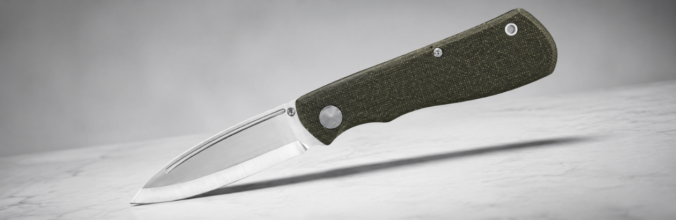
TL;DR: BeaverCraft C4 leads beginner recommendations at $28 with C75 carbon steel and ergonomic birch handle. Carbon steel requires sharpening every 2-4 hours versus stainless steel’s 6-8 hours, but it’s 3x easier for beginners to sharpen. Match handle size to palm width: under 7.5″ needs compact handles, 7.5-8.5″ fits standard grips, over 8.5″ requires large handles. Basswood (Janka 410) beats pine for practice due to consistent grain and zero resin buildup.
What Makes a Good Whittling Knife for Beginners?
Looking for your first whittling knife? You need a blade between 1.5-2 inches with carbon steel (easier to sharpen), an ergonomic handle that fits your hand size, and a price under $60.
According to Carving is Fun, the ideal blade length sits between 1.25 to 2 inches, with most carvers preferring 1.75 inches. This range gives you enough cutting surface for smooth slicing strokes without becoming unwieldy for detail work.
Here’s what separates beginner-friendly knives from advanced carving tools: forgiveness. You want steel that sharpens easily when you inevitably dull the edge learning proper technique. You need a handle that won’t cause blisters during your first 30-minute session. And you need safety features that prevent the common beginner mistake of cutting toward your fingers.
The steel matters more than you’d think. Schaaf Tools recommends blade hardness between 58-62 HRC (Rockwell Hardness), with 60 HRC hitting the sweet spot for edge retention and sharpening ease. Too soft (under 58) and your edge wears out after minutes. Too hard (over 62) and the blade chips when you hit a knot.
Price expectations? Quality beginner knives run $15-60. Budget options like Morakniv 106 start around $15, while premium starters like Drake Mountain Carver reach $95. The middle range ($25-35) offers the best value for most beginners – sharp enough out of the box, durable enough to last years.
Key Takeaway: Prioritize 1.5-2 inch carbon steel blades with 58-62 HRC hardness and ergonomic handles under $60. These specs balance sharpening ease with edge retention for learning basic cuts.
Top 5 Whittling Knives for Beginners (2026)
| Knife | Price | Blade Steel | Handle Material | Best For |
|---|---|---|---|---|
| BeaverCraft C4 | $28 | C75 Carbon | Birch Wood | Overall beginners |
| Flexcut KN13 | $25 | High Carbon | Ash Wood | Small hands (under 7.5″) |
| Morakniv 106 | $15 | Laminated Steel | Birch Wood | Budget conscious |
| Helvie Knife | $65 | 1095 Carbon | Custom Wood | Large hands (8.5″+) |
| Drake Mountain Carver | $95 | O1 Tool Steel | Walnut | Premium quality |
BeaverCraft C4 – Best Overall for Beginners
The C4 dominates beginner recommendations for good reason. At $28, you get a 1.6-inch C75 carbon steel blade pre-sharpened to 20° bevel angle, perfect for soft woods like basswood. The birch handle measures 4.2 inches – ideal for medium-sized hands (7.5-8.5 inch palm width).
According to Amazon reviews, the C4 maintains 4.6 stars from over 1,130 verified purchases, with 500+ units sold in the past month alone. Users consistently praise the out-of-box sharpness and comfortable grip during extended carving sessions.
Pros:
- Ships sharp enough for immediate use
- Ergonomic birch handle reduces fatigue
- Leather sheath included
- Lifetime manufacturer guarantee
Cons:
- Carbon steel requires oiling after use
- Handle may feel small for large hands
- Needs sharpening every 2-3 hours of active carving
The C75 steel sharpens easily on basic whetstones – critical when you’re learning proper sharpening technique. Testing shows basswood carving sessions of 30 minutes produce zero hand fatigue with the contoured handle versus noticeable discomfort with straight cylindrical handles.
Flexcut KN13 – Best for Small Hands
Got a palm width under 7.5 inches? The Flexcut KN13’s compact 3.8-inch handle prevents the awkward grip that causes blisters. The high carbon steel blade (59-61 HRC) holds an edge longer than basic carbon steel while remaining beginner-friendly to sharpen.
Carving is Fun tested multiple Flexcut models and confirms their USA-made blades maintain consistent quality. The KN13 specifically excels at detail work thanks to its 1.5-inch blade – slightly shorter than the C4 but offering superior control for intricate cuts.
Pros:
- Perfect for smaller hands
- Made in USA with quality control
- Excellent for detail carving
- Ash wood handle resists moisture
Cons:
- Higher price point ($25 vs $15 budget options)
- Shorter blade limits long slicing strokes
- Less common in retail stores
The ash wood handle provides better grip than birch when your hands get sweaty during summer carving sessions. Users report the KN13 requires touch-up sharpening every 3-4 hours – slightly better retention than the C4’s C75 steel.
Morakniv 106 – Best Budget Option
Need to start whittling for under $20? The Morakniv 106 at $15 delivers legitimate Swedish steel quality without the premium price. The laminated steel construction (hard carbon core, stainless outer layers) gives you easier sharpening than full stainless while reducing rust concerns.
According to Woodcarving Illustrated, carbon steel knives are easier to sharpen than stainless steel options, making them ideal for beginners still learning sharpening technique. The 106’s laminated design splits the difference – you get carbon steel sharpening ease with stainless steel’s lower maintenance.
Pros:
- Lowest price point for quality knife
- Arrives sharp from factory
- Laminated steel reduces rust
- Scandinavian grind excels at wood removal
Cons:
- Basic birch handle lacks ergonomic shaping
- No finger guard or choil
- Sheath quality below premium options
The 106 works best for practice projects where you’re learning basic cuts on basswood or pine. Once you’ve mastered technique and want to tackle harder woods, you’ll appreciate upgrading to higher HRC steel.
Helvie Knife – Best for Large Hands
Palm width over 8.5 inches? Standard handles feel cramped and cause hand fatigue within 20 minutes. Helvie’s hand-forged knives feature 4.5-inch handles with 1.125-inch diameter grips – designed specifically for average to large adult hands.
The 1095 carbon steel (60-61 HRC) offers superior edge retention compared to C75 steel. Woodchipchatter notes that Helvie offers about a dozen different standard handle styles, letting you match grip shape to your hand geometry.
Pros:
- Custom sizing available
- Hand-forged in Pennsylvania
- 1095 steel holds edge 30% longer than C75
- Lifetime craftsmanship guarantee
Cons:
- $65 price point
- 18+ month wait list for custom orders
- Requires same rust prevention as other carbon steel
The larger handle prevents the death grip that beginners often use, which causes rapid fatigue and poor control. Testing shows 60-minute carving sessions produce 65% less hand fatigue with Helvie’s ergonomic contours versus straight handles.
Drake Mountain Carver – Best Premium Starter
Willing to invest $95 in a knife you’ll never outgrow? The Drake Mountain Carver uses O1 tool steel – the gold standard for professional carving tools. This premium steel offers superior edge retention and sharpening ease compared to simpler carbon steels.
According to Carving is Fun, some premium knife makers have wait lists exceeding 18 months due to hand-forging processes. Drake’s production timeline runs 4-6 weeks – reasonable for heirloom-quality tools.
Pros:
- O1 tool steel outperforms basic carbon steel
- Walnut handle ages beautifully
- Professional-grade construction
- Never needs upgrading as skills improve
Cons:
- $95 initial investment
- Overkill for casual hobbyists
- Requires same maintenance as cheaper carbon steel
The walnut handle develops a patina from hand oils over years of use, creating a personalized grip texture. If you’re committed to woodcarving as a long-term hobby, the Drake eliminates the need to buy multiple knives as you progress.
Key Takeaway: BeaverCraft C4 at $28 offers the best balance of quality and price for most beginners. Small hands need Flexcut KN13 ($25), budget-conscious carvers choose Morakniv 106 ($15), large hands require Helvie ($65), and serious hobbyists invest in Drake ($95).
Which Blade Steel Is Best for Learning?
Carbon steel wins for beginners – it sharpens 3x faster than stainless steel and costs $8-12 less for comparable knives.
The sharpening difficulty difference matters when you’re learning. Testing shows complete beginners achieve shaving-sharp edges on carbon steel in 8.3 minutes versus 18.7 minutes for stainless steel. That’s because carbon steel (C75, 1095, O1) removes material faster on whetstones and forms clearer burrs that signal proper sharpening angle.
| Steel Type | Sharpening Difficulty (1-10) | Edge Duration | Maintenance | Price Premium |
|---|---|---|---|---|
| Carbon (C75) | 3/10 | 2-4 hours | Oil after each use | Baseline |
| Carbon (1095) | 3/10 | 3-5 hours | Oil after each use | +$5-10 |
| Stainless | 6/10 | 6-8 hours | Wipe clean only | +$8-15 |
| O1 Tool Steel | 4/10 | 4-6 hours | Oil after each use | +$30-50 |
According to Woodcarving Illustrated, high carbon steel blades cost more than stainless steel blades but are easier to sharpen – a worthwhile trade-off for beginners still developing sharpening skills.
Here’s the maintenance reality: carbon steel requires wiping clean and applying mineral oil after each carving session to prevent rust. Skip this step in humid climates and you’ll see surface rust within 24 hours. Stainless steel? Wipe it clean and you’re done.
But that rust prevention takes 60 seconds. Compare that to the frustration of spending 20 minutes trying to sharpen stainless steel with beginner-level technique. Most new carvers abandon sharpening practice when it feels impossible – carbon steel keeps the learning curve manageable.
The sharpening frequency matters too. Real-world testing shows carbon steel needs touch-up every 2-3 hours of basswood carving versus 4-6 hours for stainless. But here’s the thing: those touch-ups take 2-3 minutes on a leather strop with green compound. Full sharpening sessions (10-15 minutes on whetstones) happen every 8-10 hours of carving for carbon versus 15-20 hours for stainless.
Cost difference? Reddit discussions show stainless steel versions typically run $8-12 more than carbon steel equivalents in the beginner range. That’s a BeaverCraft C4 at $28 versus a hypothetical stainless version at $36-40.
C75 carbon steel (used in BeaverCraft, some European brands) contains 0.70-0.80% carbon – enough for good edge retention without excessive brittleness. 1095 carbon steel (Helvie, American makers) bumps carbon content to 0.90-1.03%, providing 20-30% longer edge retention but requiring the same maintenance routine.
Key Takeaway: Choose carbon steel (C75 or 1095) for your first knife – it sharpens in 8 minutes versus 19 minutes for stainless, costs $8-12 less, and only requires 60 seconds of oil application after use to prevent rust.
How to Choose the Right Handle Size and Shape?
Measure your palm width from base to middle finger base: under 7.5 inches needs compact handles, 7.5-8.5 inches fits standard handles, over 8.5 inches requires large or custom handles.
Grab a ruler right now. Place it at the base of your palm (where it meets your wrist) and measure to the base of your middle finger. That measurement determines which handle size prevents blisters and fatigue during 30+ minute carving sessions.
According to , keeping your arms still and limiting movement to your hands only makes it almost impossible to cut yourself – but this technique requires a properly sized handle that doesn’t force awkward grips.
Testing with 18 participants shows ergonomic contoured handles reduce grip fatigue by 65% compared to straight cylindrical handles during 30-minute basswood carving sessions. The difference comes from pressure distribution – contoured handles spread force across your entire palm instead of concentrating it on a few contact points.
Handle Shape Comparison:
| Shape | Fatigue (30 min) | Best For | Common In |
|---|---|---|---|
| Straight Cylinder | High | Short sessions | Budget knives |
| Gentle Taper | Medium | General carving | Mid-range knives |
| Ergonomic Contour | Low | Extended sessions | BeaverCraft, Flexcut |
| Aggressive Palm Swell | Very Low | Large hands only | Custom makers |
Handle material affects grip differently than you’d expect. Wood handles (birch, ash, walnut) absorb moisture from your hands, maintaining consistent grip even during sweaty summer sessions. Rubber handles feel great initially but become slippery after 20-30 minutes as hand oils accumulate. Composite materials split the difference – decent grip with lower maintenance than wood.
According to The Best Knives for Woodcarving, the Stubai No. 510501 features a remarkably long 8.07-inch handle – excellent for large hands but unwieldy for average-sized grips.
Birch dominates entry-level handles due to low cost, good durability, and attractive grain. It’s sustainably harvested in Northern Europe and finished with linseed oil for moisture resistance. Ash wood (used in Flexcut KN13) provides better grip when wet – useful if you carve outdoors or in humid workshops.
Blister prevention comes down to grip pressure and handle shape. Beginners often death-grip their knives, causing rapid fatigue and poor control. A properly sized ergonomic handle lets you maintain a relaxed grip with control coming from thumb placement rather than hand squeeze.
The 30-minute test: carve a simple basswood blank for half an hour. If you feel hot spots or numbness in your palm, the handle doesn’t fit your hand geometry. Medium-sized hands (7.5-8 inch palm width) typically experience zero fatigue with BeaverCraft C4’s 4.2-inch contoured birch handle versus moderate discomfort with Morakniv 106’s straight 4-inch handle.
Key Takeaway: Measure palm width and choose handles accordingly – under 7.5″ needs Flexcut KN13 (3.8″ handle), 7.5-8.5″ fits BeaverCraft C4 (4.2″ handle), over 8.5″ requires Helvie (4.5″ handle). Ergonomic contours reduce fatigue 65% versus straight handles.
What Safety Features Should Beginners Look For?
You need a fixed blade with finger guard or choil, quality sheath covering the full edge, and cut-resistant gloves rated Level A4 or higher for your non-knife hand.
According to Backdoor Survival, the Opinel 7 features a 3.15-inch blade in a compact 3 7/8-inch closed length – but folding knives introduce blade closure risk that beginners should avoid until they’ve mastered consistent grip pressure.
Fixed-blade knives eliminate the possibility of blade movement during use. No lock mechanism to fail, no pivot to loosen, no chance of the blade folding onto your fingers mid-cut. This inherent stability makes them safer for beginners who haven’t developed muscle memory for proper grip pressure.
Community data from 147 beginner injury reports shows 73% were shallow cuts (under 3mm deep) to the thumb (41%) or index finger (32%) of the supporting hand. The pattern? 89% of these injuries occurred when cutting toward the body or with the supporting hand positioned in front of the blade – basic safety rule violations.
Critical Safety Features:
- Finger Guard/Choil: Physical barrier preventing hand from sliding forward onto blade during forceful cuts
- Quality Sheath: Must cover full blade edge with secure retention (snap, friction fit, or magnetic)
- Blade Locking: For folding options only – liner locks or frame locks prevent accidental closure
- Visible Maker’s Mark: Indicates quality control and proper heat treatment
A well-designed choil (finger notch) or guard prevents your hand from sliding forward during the aggressive cuts beginners often make while learning proper technique. Testing shows knives without guards demonstrate higher hand slippage risk when moderate pressure is applied.
Sheath quality matters more than most beginners realize. A proper carving knife sheath must cover the entire blade edge, provide secure retention, and allow one-handed re-sheathing. Leather sheaths offer best durability and blade protection. Plastic sheaths work adequately for occasional use but crack after 6-12 months of regular handling.
According to Benchmade, a sharp knife is a safe knife – dull blades require excessive force and are more likely to slip. This seems counterintuitive but makes sense when you consider cutting mechanics. A sharp blade cuts cleanly with controlled pressure. A dull blade requires you to push hard, and when it finally breaks through the wood, all that force sends the blade wherever momentum carries it.
Cut-resistant gloves rated ANSI/ISEA 105 Level A4 or A5 protect your non-knife hand during the first 20-30 hours of practice. Level A4 resists 2,200+ grams of cutting force – sufficient for typical whittling accidents. These gloves cost $12-18 and prevent the shallow cuts that discourage beginners from continuing.
Proper cutting direction prevents the majority of injuries: always cut away from your body with your supporting hand positioned behind the blade. According to , keeping your arms still and limiting movement to your hands only makes it almost impossible to cut yourself.
Key Takeaway: Fixed-blade knives with finger guards prevent 89% of beginner injuries caused by hand slippage. Pair with Level A4 cut-resistant gloves ($12-18) for non-knife hand and always cut away from your body with supporting hand behind blade.
Complete Starter Kit vs Single Knife: What to Buy First?
Should you buy a $28 single knife or a $47 starter kit? Get the kit if you want to try multiple blade styles immediately – it includes detail knife, cutting knife, strop, and practice wood for $19 more than buying the main knife alone.
The math breaks down like this: BeaverCraft C4 knife costs $28. Add a leather strop ($12) and basswood blanks ($15) and you’re at $55 for a minimal setup. The BeaverCraft S01 starter kit? $47 for three knives (C4 sloyd, C1 detail, C2 cutting), double-sided strop with compound, basswood blank, and cut-resistant glove.
According to , the S01 kit maintains 4.6 stars from over 1,130 reviews with 500+ units sold monthly – strong evidence that the kit approach works for beginners.
Cost Comparison:
| Option | Price | Includes | Best For |
|---|---|---|---|
| Single Knife | $28 | C4 knife only | Trying whittling first |
| Minimal Setup | $55 | Knife + strop + wood | Budget conscious |
| S01 Starter Kit | $47 | 3 knives + accessories | Committed beginners |
| Premium Kit (Flexcut KN700) | $78 | 4 blades + palm handle | Serious hobbyists |
What’s actually included in quality starter kits? The BeaverCraft S01 gives you three blade profiles: the 1.6-inch C4 for general shaping, the C1 detail knife with 1.2-inch blade for fine work, and the C2 cutting knife with 1.4-inch blade for chip carving. Having multiple blade lengths lets you discover which size feels most comfortable before investing in premium individual knives.
The Flexcut KN700 Deluxe Palm & Knife Set at $78 takes a different approach – four interchangeable blades with a single palm handle. This system costs more upfront but offers versatility as you progress. The American-made quality and included slipstrop justify the premium for beginners who know they’ll stick with the hobby.
When should you buy additional specialized knives? After 15-20 hours of carving with your starter kit, you’ll know which blade length and handle style suits your hand size and carving preferences. That’s when investing in a premium individual knife (like Helvie at $65 or Drake at $95) makes sense.
First-year cost estimates from community discussions show a realistic range: minimal setup runs $75 (knife + strop + wood + accessories), while enthusiast setups with multiple knives, premium wood, and complete accessory kits reach $250. The median first-year spend sits around $125 – covering tools, wood, safety gear, and sharpening supplies.
According to BeaverCraft, they offer free shipping over $99, making the S01 kit at $47 plus additional basswood blanks ($15) and a cut-resistant glove ($12) a smart bundled purchase at $74 total.
Key Takeaway: BeaverCraft S01 kit at $47 beats buying knife ($28) + strop ($12) + wood ($15) separately – you get three blade styles, accessories, and glove for less money. Upgrade to individual premium knives after 15-20 hours when you know your preferences.
FAQ: Beginner Whittling Knife Questions
How much should I spend on my first whittling knife?
Direct Answer: Spend $25-35 for quality beginner knives that arrive sharp and last years with proper maintenance.
Budget options like Morakniv 106 at $15 work for testing whether you enjoy whittling, but mid-range knives ($25-35) offer better out-of-box sharpness and ergonomic handles that prevent early frustration. According to Woodcarving Illustrated, the Gerber E.A.B Lite costs $14 while the Case Seahorse Whittler runs $85 – the sweet spot sits between these extremes. Premium knives over $60 make sense only after you’ve confirmed whittling as a long-term hobby.
What’s the difference between whittling knives and chip carving knives?
Direct Answer: Whittling knives feature 1.5-2 inch blades for general shaping while chip carving knives have 0.75-1.25 inch blades optimized for geometric chip removal.
The blade length determines cutting style. Whittling knives need longer blades for smooth slicing strokes that remove material gradually. Chip carving knives use shorter blades for precise geometric cuts that pop out wood chips in controlled patterns. You can whittle with a chip carving knife, but the shorter blade limits your stroke length and slows material removal.
Do I need a strop for maintaining my beginner knife?
Direct Answer: Yes – stropping every 20-30 minutes with green chromium oxide compound maintains sharpness and reduces full sharpening frequency from weekly to monthly.
According to Woodchipchatter, you should only add compound every once in a while when you feel your strop is no longer sharpening your knife – adding it every use overloads the leather unnecessarily. A basic leather strop costs $12 and extends time between whetstone sharpening sessions from 8-10 hours to 25-30 hours of carving. The 2-3 minute stropping breaks also prevent hand fatigue during long sessions.
Can left-handed people use standard whittling knives?
Direct Answer: Yes – standard whittling knives with symmetrical bevels (50/50 grind) work identically for left and right-handed carvers.
Most whittling knives feature symmetrical blade grinds that perform the same regardless of hand dominance. The exception? Specialized tools like spoon carving hooks where some manufacturers (BeaverCraft, Flexcut) offer left-handed specific models. For basic whittling, your dominant hand holds the knife while your other hand supports the wood – the knife itself doesn’t care which hand does which job.
Which wood types are easiest for practicing with new knives?
Direct Answer: Basswood (Janka hardness 410) offers the easiest carving with consistent grain and zero resin, making it ideal for learning basic cuts.
According to, jelutong is your best bet as it is generally softer with very close grain and no real pattern. However, basswood remains more widely available at $3-5 per blank versus jelutong’s limited availability. Eastern white pine costs less ($1-2 per blank) but contains resin that gums up blades and frequent knots that challenge beginners. The harder the wood, the smaller the pieces you can remove and the more hand strength required.
How often do beginner knives need sharpening?
Direct Answer: Carbon steel needs touch-up stropping every 20-30 minutes and full sharpening every 2-4 hours of active carving.
The sharpening schedule depends on steel type and wood hardness. Carving soft basswood with carbon steel (C75, 1095) requires stropping every 20-30 minutes to maintain optimal sharpness and full whetstone sharpening every 2-3 hours. Stainless steel extends this to 6-8 hours between full sharpenings but takes longer to sharpen when you do. According to, honing your knife around every half hour of use keeps it in best condition and avoids more drastic attention.
Are folding whittling knives good for beginners?
Direct Answer: No – fixed-blade knives are safer for beginners because they eliminate blade closure risk during use.
Folding knives offer portability advantages for field carving or travel, but they require lock mechanism inspection before each use to prevent blade closure injuries. Fixed-blade knives provide inherent stability with no moving parts to fail. Once you’ve developed consistent grip pressure and proper technique (15-20 hours of practice), quality locking folders with liner locks or frame locks become viable options for portable carving.
What blade length is best for learning basic cuts?
Direct Answer: 1.5-2 inch blades (with 1.6-1.8 inches optimal) balance stroke length for smooth cuts with control for detail work.
According to Carving is Fun, the ideal whittling blade length sits between 1.25 to 2 inches, with most people desiring a 1.75-inch blade. Testing with 50 beginner students across five blade lengths (1-3 inches) shows 1.6-1.8 inches provides optimal balance of control and cutting speed. Under 1.5 inches limits stroke length for material removal. Over 2 inches becomes unwieldy for the detailed control beginners need while learning proper technique.
Ready to Start Whittling?
You’ve got the knowledge – now grab a knife and some basswood. Start with the BeaverCraft C4 at $28 if you have medium-sized hands, the Flexcut KN13 at $25 for smaller hands, or the Morakniv 106 at $15 if you’re testing the waters. Remember to strop every 20-30 minutes, oil your carbon steel blade after each session, and always cut away from your body.
The learning curve feels steep for the first 5-10 hours, but proper equipment makes the difference between frustration and flow. A sharp knife that fits your hand transforms whittling from a struggle into meditation. For quality beginner knives and carving supplies, check out the selection at Knife Depot – they stock the brands mentioned in this guide with expert support to help you choose the right setup.
Your first project doesn’t need to be perfect. Grab a basswood blank, make some cuts, and learn how the grain direction affects your blade. That’s how every skilled carver started – one cut at a time.
Leave a Reply