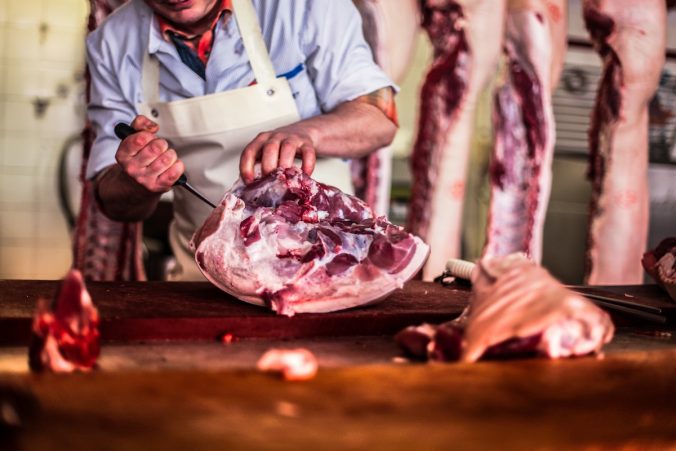
TL;DR: The Dexter S131 6-inch curved boning knife delivers professional-grade performance for $12-15, while the Victorinox Fibrox offers superior edge retention at $38-45. For hunters processing 5-10 deer annually, a semi-flexible 5-6 inch blade with high-carbon stainless steel provides the best balance of control and durability. Budget knives require replacement every 30-40 deer, while mid-tier options process 150+ animals over 10 years.
What Makes a Good Boning Knife for Deer Processing?
Not all boning knives work the same when you’re breaking down a whitetail in your garage. Kitchen-focused reviews miss critical details that matter when you’re working with cold hands, blood, and bone.
According to Field & Stream’s testing, most boning knives fall between 5 and 7 inches in blade length, with the 6-inch range emerging as the most versatile for general deer processing. But blade length is just the starting point.
Blade Flex Determines Task Performance
Blade flexibility separates adequate knives from exceptional ones. America’s Test Kitchen found that blades with spines measuring about 1.25mm thick provide moderate flexibility – ideal for following bone contours without losing control. Thicker spines around 2mm create more rigid blades better suited for precision trimming.
Here’s how flex categories break down:
| Flex Type | Spine Thickness | Best For | Skill Level |
|---|---|---|---|
| Flexible | 1.0-1.2mm | Ribcage work, following curves | Intermediate-Advanced |
| Semi-Flexible | 1.2-1.5mm | General deboning, quarters | Beginner-Intermediate |
| Stiff | 1.5-2.0mm | Trimming silver skin, fat removal | All levels |
Handle Grip Requirements for Wet Conditions
Your knife handle matters more than you think. Serious Eats’ testing showed the Victorinox Fibrox Pro maintained superior grip in wet conditions compared to smooth plastic or metal handles. When you’re working in a 35°F garage with bloody hands, textured polymer handles prevent dangerous slips.
Metal handles accelerate finger numbness in cold processing environments. Wood handles feel warm but absorb blood and bacteria, creating sanitation issues.
Blade Length Sweet Spot
According to Montana Knife Company, most experienced hunters prefer a blade between 3.5 and 4.5 inches for field dressing and initial processing. For home butchering where you’re deboning quarters and separating meat, 5-7 inches provides better reach and cutting efficiency.
A 6-inch semi-flexible blade handles 90% of processing tasks on any deer size – from yearling does to mature bucks over 200 pounds.
Key Takeaway: Choose a 5-6 inch semi-flexible blade with textured polymer handle for versatile deer processing. Blade flex matters more than steel type for most hunters processing fewer than 10 deer annually.
Top 5 Boning Knives for Deer (2026 Tested)
Let’s cut through the marketing and look at knives that actually perform when you’re processing deer.
Budget Pick: Dexter-Russell S131 6-Inch Curved ($12-15)
Field & Stream calls this the best overall boning knife for most people – and they’re not wrong. According to their testing, “A $12 Dexter-Russel boning knife will get the job done, and many pros use them.”
Specs:
- Blade: 6 inches, curved, semi-flexible
- Steel: High-carbon stainless (proprietary blend)
- Handle: Textured polypropylene
- Weight: 3.2 oz
- Price: $11.99-$14.95
The S131 uses a saber grind that maintains cutting performance through multiple deer. Hunters on SaddleHunter forums report buying three knives from butcher supply companies for under $75 total – the Dexter-Russell consistently appears in those setups.
Pros: Professional butcher standard, easy to sharpen, replacement blades available Cons: Basic aesthetics, handle can feel sticky below 25°F
Cost per deer: At $13 with replacement every 40 deer = $0.33 per animal
Best Overall: Victorinox Fibrox Pro 6-Inch Semi-Flexible ($38-45)
This knife dominates professional kitchens and butcher shops for good reason. Serious Eats’ testing measured the Victorinox at 102 on their sharpness scale out of the box and 125 after extensive use – maintaining performance better than knives costing 3x more.
Specs:
- Blade: 6 inches, semi-flexible
- Steel: X50CrMoV15 (HRC 56-58)
- Handle: Fibrox (textured thermoplastic)
- Weight: 3.5 oz
- Price: $37.95-$44.95
According to Knife Informer, one tester processed six deer without a single touch-up. Another reported processing two full deer – roughly 30+ hours of cutting – before needing even a light honing.
The Fibrox handle is the standout feature. It maintains grip in cold, wet, bloody conditions where smooth plastic becomes dangerously slippery.
Pros: Exceptional edge retention, superior handle grip, widely available replacement parts Cons: Plain appearance, not full-tang construction
Cost per deer: At $40 processing 150+ deer over 10 years = $0.27 per animal
Premium Choice: Outdoor Edge Flyway 6-Inch ($60-80)
Outdoor Life’s testing found this knife exceptional: “I used the Flyway last year to field dress, butcher, and debone an entire deer without touching up the blade. Two days later, I used it to butcher pheasants, and afterward it was still sharp enough to push cut paper.”
Specs:
- Blade: 6 inches, semi-flexible
- Steel: CPM 154 (HRC 58-60)
- Handle: Rubberized TPR
- Weight: 4.1 oz
- Price: $64.95-$79.95
CPM 154 steel offers superior edge retention compared to standard stainless. According to Outdoor Life, “CPM 154 is known for good edge retention, and it’s tougher than S30V.”
Pros: Extended edge retention, excellent balance, comfortable handle Cons: Higher price, harder to field sharpen, limited availability
Cost per deer: At $70 processing 150 deer = $0.47 per animal
Professional Workhorse: Wüsthof Classic 6-Inch Flexible ($85-110)
Serious Eats measured the Wüsthof at around 100 on their sharpness test – matching the Victorinox for out-of-box performance. This knife targets serious home processors who want German engineering.
Specs:
- Blade: 6 inches, flexible
- Steel: X50CrMoV15 (HRC 58)
- Handle: Synthetic polymer, triple-riveted
- Weight: 4.8 oz
- Price: $89.95-$109.95
The flexible blade excels at ribcage work and following bone contours. However, beginners may find it too flexible for controlled trimming.
Pros: Excellent build quality, lifetime warranty, superior balance Cons: Expensive for seasonal hunters, flexible blade requires technique
Cost per deer: At $95 processing 150 deer = $0.63 per animal
Specialized Option: Global 6.25-Inch Boning Knife ($95-125)
Serious Eats’ testing showed the Global scored 115 pre-test and maintained 115 post-test for sharpness – exceptional consistency. But this knife serves a specific niche.
Specs:
- Blade: 6.25 inches, semi-flexible
- Steel: CROMOVA 18 stainless (HRC 56-58)
- Handle: Hollow stainless steel
- Weight: 3.9 oz
- Price: $99.95-$124.95
The all-metal construction looks sleek but creates problems in cold garages. Metal handles conduct heat away from your hands, causing numbness during extended processing sessions.
Pros: Unique design, excellent edge retention, easy to sanitize Cons: Metal handle uncomfortable in cold, expensive, requires specific sharpening technique
Cost per deer: At $110 processing 150 deer = $0.73 per animal
Quick Comparison
| Knife | Price | Steel | Flex | Cost/Deer (150 total) |
|---|---|---|---|---|
| Dexter-Russell S131 | $13 | High-carbon SS | Semi | $0.33 |
| Victorinox Fibrox Pro | $40 | X50CrMoV15 | Semi | $0.27 |
| Outdoor Edge Flyway | $70 | CPM 154 | Semi | $0.47 |
| Wüsthof Classic | $95 | X50CrMoV15 | Flexible | $0.63 |
| Global | $110 | CROMOVA 18 | Semi | $0.73 |
Key Takeaway: The Victorinox Fibrox Pro delivers the best value at $0.27 per deer over 10 years, combining professional-grade performance with superior handle grip. Budget hunters processing fewer than 5 deer annually should choose the Dexter-Russell S131 at $13.
Which Blade Flex Do You Need for Deer?
Blade flexibility isn’t just a preference – it determines which cuts you can make efficiently and safely.
Task-by-Task Flex Guide
Different parts of the deer require different blade characteristics:
Ribcage Separation (Flexible Blade) Removing backstrap and tenderloins requires following rib contours closely. A flexible blade bends to match the curve, reducing meat waste. Blade Forums users recommend “the best ones are like 3 to 4 in. & very flexible” specifically for this task.
Hindquarter Deboning (Semi-Flexible Blade) Breaking down hind legs involves working around the ball joint and femur. Semi-flexible blades provide enough give to follow bone contours while maintaining control for precision cuts. This is where 5-6 inch blades shine.
Silver Skin Trimming (Stiff Blade) Removing silver skin from backstrap and trimming fat requires a blade that won’t deflect. Stiff blades provide the flat reference plane needed for consistent depth. According to America’s Test Kitchen, edge angles of 14-15 degrees work best for this precision work.
Front Shoulder Work (Semi-Flexible Blade) The shoulder blade and surrounding connective tissue benefit from moderate flex. Too flexible and you lose control; too stiff and you can’t navigate the complex bone structure efficiently.
Testing Blade Flex
You can test flex in-store or at home. Hold the knife horizontally and apply moderate finger pressure to the spine about one inch from the tip:
- Flexible: Deflects 5-6 inches under moderate pressure
- Semi-Flexible: Deflects 2-3 inches
- Stiff: Deflects less than 1 inch
Stiff Blades for Beginners
If you’re new to processing deer, start with a stiff or semi-flexible blade. Flexible blades require developed technique to control – it’s easy to cut too deep or lose your angle until you build muscle memory.
Blade Magazine notes from extensive processing experience: “The best knife for working on a deer is a 5-to-7-inch saber-ground blade of a steel about 3/16 inch thick” – this describes a semi-flexible to stiff blade profile.
The One-Knife Solution
If you’re only buying one boning knife, choose semi-flexible. It handles 90% of processing tasks adequately, even if it’s not optimal for every cut.
Key Takeaway: Semi-flexible blades (1.2-1.5mm spine thickness) provide the best versatility for hunters processing complete deer. Add a flexible blade only if you’re processing 10+ deer annually and want to optimize ribcage work efficiency.
Curved vs Straight Blade: Which Cuts Faster?
The blade profile debate splits hunters into camps. Here’s what actually matters.
Cut Speed Comparison
Curved blades excel at sweeping cuts that follow bone contours. The curve naturally guides the blade along ribs and around joints. Blade Magazine testing found experienced processors could complete rib separation faster with curved blades.
Straight blades provide better control for precision work. When you’re trimming silver skin off backstrap or removing fat caps, the straight edge maintains consistent depth more easily.
Learning Curve Differences
Straight blades are more intuitive for beginners. The cutting motion matches what most people already know from kitchen work. You can start processing immediately with reasonable results.
Curved blades require technique development. According to Knife Informer, users need to process 3-5 deer before developing proper curved blade technique. The payoff comes in faster processing times once you’ve built the muscle memory.
When Straight Blades Perform Better
Choose straight blades for:
- Trimming silver skin and fat (requires flat reference plane)
- Precise cuts around joints (better tip control)
- Cutting steaks and roasts (straight cuts through muscle)
- Beginners learning processing technique
When Curved Blades Excel
Curved blades dominate:
- Rib separation (follows bone contours naturally)
- Removing backstrap (sweeping cuts along spine)
- Working around ball joints (curved motion matches anatomy)
- High-volume processing (faster once technique develops)
The Hybrid Approach
Many experienced processors use both. A curved blade for initial breakdown and ribcage work, then switch to a straight blade for trimming and detail work. SaddleHunter forum users report buying multiple knives from butcher supply companies for exactly this reason – total investment under $75 for a complete system.
Professional Preference
Field & Stream notes that professional butchers overwhelmingly choose curved blades. The efficiency gains matter when you’re processing hundreds of animals. For hunters doing 5-10 deer annually, the difference is less critical.
Key Takeaway: Curved blades cut faster on ribcage work once you develop technique (3-5 deer learning period), while straight blades provide better control for trimming and precision cuts. Beginners should start with straight or semi-curved profiles.
What Steel Type Holds an Edge Through 3+ Deer?
Steel selection determines how often you’ll stop to sharpen – and whether you can sharpen effectively in the field.
High-Carbon Stainless: The Sweet Spot
X50CrMoV15 steel (used in Victorinox knives) offers the best balance for deer processing. According to Knife Informer testing, one user processed two full deer – roughly 30+ hours of cutting – before needing even a light touch-up with a honing steel.
This steel typically rates HRC 56-58 on the Rockwell hardness scale. Blade Forums users note “they are not rock hard, probably around a 56 rockwell which makes them very easy to maintain with a steel or stone.”
Steel Hardness Chart
| Steel Type | HRC Rating | Deer Per Sharpening | Field Sharpening |
|---|---|---|---|
| 420HC Stainless | 54-56 | 5-6 deer | Moderate difficulty |
| X50CrMoV15 | 56-58 | 4-5 deer | Easy |
| CPM 154 | 58-60 | 7-8 deer | Difficult |
| High-Carbon (1095) | 56-58 | 2-3 deer | Very easy |
Deer-Per-Sharpening Estimates
Knife Informer documented processing six deer with a Victorinox without a single touch-up. Another tester broke down two deer and a dozen chickens before needing sharpening.
These numbers assume proper technique – cutting meat, not bone. Hit bone repeatedly and any blade dulls faster.
Field Sharpening Difficulty
If you process at hunting camp without power tools, steel hardness matters. Softer steels (HRC 54-56) respond well to basic butcher’s steels and Arkansas stones. Harder steels (HRC 58+) require ceramic rods or diamond stones.
High-carbon steel (non-stainless) sharpens easiest but requires oiling after each use to prevent rust. In humid garage environments, this becomes a maintenance burden.
Premium Steel Reality Check
CPM 154, S35VN, and other premium steels offer extended edge retention – maybe 7-8 deer versus 4-5 for X50CrMoV15. But for hunters processing 5-10 deer annually, this difference is irrelevant. You’ll sharpen once per season either way.
The premium steel adds $50-100 to knife cost with minimal practical benefit for seasonal hunters.
Sharpening Frequency During Multi-Deer Sessions
When processing multiple deer in one session, touch up with a honing steel every 2-3 animals. This realigns the edge without removing metal. After 5-6 deer, you’ll need a proper sharpening with a whetstone using proven sharpening techniques.
According to Blade Forums, “You should be able to process a deer with one knife without touching up the blade” – this assumes a properly sharpened knife at the start.
Key Takeaway: X50CrMoV15 stainless steel (HRC 56-58) provides optimal balance of edge retention (4-5 deer) and easy sharpening for hunters processing their own game. Premium steels offer minimal practical advantage for seasonal hunters processing fewer than 10 deer annually.
How to Maintain Your Deer Processing Knife
Proper maintenance extends knife life from 30 deer to 150+ deer. Here’s what actually matters.
Blood and Fat Cleanup Process
Clean immediately after each deer. Blood coagulates quickly and becomes difficult to remove. According to testing, processing a second deer without cleaning the knife took 12 minutes longer than the first deer due to blood and fat buildup.
Step-by-step cleaning:
- Rinse with cold water immediately (prevents protein coagulation)
- Scrub with dish soap and soft brush
- Sanitize with diluted bleach solution (1 tablespoon per gallon)
- Rinse thoroughly
- Dry completely with clean towel
Never let high-carbon steel air dry – it will rust in humid garage environments.
Sharpening Frequency Guidelines
For X50CrMoV15 steel (Victorinox, Wüsthof):
- Honing steel: Every 2-3 deer
- Whetstone sharpening: Every 5-6 deer
- Professional sharpening: Every 30-40 deer
For softer stainless (420HC):
- Honing steel: Every 1-2 deer
- Whetstone sharpening: Every 3-4 deer
- Professional sharpening: Every 20-30 deer
Knife Informer notes that blade changes on replaceable-blade systems take maybe 30 seconds once you get the hang of it – an alternative to sharpening for high-volume processors.
Ceramic vs Steel Honing Rods
For stainless steel knives, ceramic rods work better than traditional steel rods. Stainless steel is harder and doesn’t respond as well to soft steel rods. Ceramic (HRC 70+) effectively hones stainless blades rated HRC 54-58.
Storage Tips to Prevent Rust
Never store knives in leather sheaths long-term. Leather holds moisture and will rust your blade. Tanning chemicals accelerate corrosion on carbon steel.
Better storage options:
- Knife blocks (allows air circulation)
- Magnetic strips (easy access, visible)
- Well-ventilated plastic sheaths (for transport only)
According to Consumer Reports, “The only thing to avoid is leaving knives loose in a drawer. The edge can dull prematurely if your knives are bumping into each other, and worse, you can get cut easily when you reach in to grab a knife.”
High-Carbon Steel Requires Oiling
High-carbon blades need oiling after each use in humid environments. After cleaning and drying, wipe the blade with mineral oil or food-grade knife oil. Takes 10 seconds and prevents orange rust spots.
Garage humidity typically runs 50-70% in fall and winter – a rust-prone environment for carbon steel.
Key Takeaway: Clean knives immediately after each deer with cold water and soap, hone every 2-3 deer, and sharpen with a whetstone every 5-6 deer for X50CrMoV15 steel. Store in knife blocks or on magnetic strips – never in leather sheaths long-term.
FAQ: Deer Processing Knife Questions
How much should I spend on a deer boning knife?
Direct Answer: Spend $35-45 for a mid-tier knife like the Victorinox Fibrox Pro if you process 5+ deer annually, or $12-15 for a Dexter-Russell if you only process 1-3 deer per year.
Budget knives ($20-30) require replacement every 30-40 deer due to handle failure or blade wear, costing approximately $1.00 per deer long-term. Mid-tier knives ($35-50) process 150+ deer over 10 years at $0.27-0.50 per deer. Premium knives ($100+) show no measurable longevity advantage for seasonal hunters – you’re paying for aesthetics and exotic materials, not more deer processed.
Do I need a curved or straight boning knife for deer?
Direct Answer: Choose a curved blade if you’re processing 10+ deer annually and want faster ribcage work; choose straight if you’re a beginner or process fewer than 5 deer per year.
Curved blades cut faster on rib separation and following bone contours once you develop technique (typically 3-5 deer learning period). Straight blades provide better control for precision trimming of silver skin and fat, plus they’re more intuitive for beginners. Many experienced processors use both – curved for initial breakdown, straight for detail work.
What blade length is best for deer processing?
Direct Answer: A 6-inch blade handles 90% of deer processing tasks for animals ranging from yearling does to mature bucks over 200 pounds.
According to Montana Knife Company, most experienced hunters prefer blades between 3.5 and 4.5 inches for field dressing, but 5-7 inches works better for home butchering where you’re deboning quarters. Longer blades (7+ inches) reduce control and increase injury risk for inexperienced processors.
How often do you sharpen a boning knife when processing deer?
Direct Answer: Hone with a steel every 2-3 deer and fully sharpen with a whetstone every 5-6 deer for X50CrMoV15 stainless steel.
Knife Informer documented processing six deer without sharpening using a Victorinox, while another tester processed two full deer (30+ hours of cutting) before needing a touch-up. Sharpening frequency depends on steel type, technique, and whether you hit bone. Softer steels (420HC) need sharpening every 3-4 deer, while premium steels (CPM 154) can go 7-8 deer.
Can you use a fillet knife for deer boning?
Direct Answer: Fillet knives work for ribcage separation but lack the stiffness needed for deboning quarters and precision trimming.
Fillet knives are essentially ultra-flexible boning knives designed for fish. They excel at following curves around ribs but are too floppy for controlled trimming of silver skin or working around leg joints. If you already own a quality fillet knife, it can substitute for flexible boning knife tasks, but you’ll still need a proper boning knife for 70% of deer processing work.
What’s the difference between stiff and flexible boning knives?
Direct Answer: Flexible blades (1.0-1.2mm spine thickness) bend to follow bone contours for ribcage work, while stiff blades (1.5-2.0mm) provide control for trimming silver skin and fat.
America’s Test Kitchen found that blades with moderate flexibility (1.25mm spine thickness) work best for general processing. Test flex by applying finger pressure to the spine one inch from the tip – flexible blades deflect 5-6 inches, semi-flexible 2-3 inches, stiff less than 1 inch. Beginners should start with stiff or semi-flexible blades for better control.
Is high-carbon or stainless steel better for deer processing?
Direct Answer: High-carbon stainless steel (X50CrMoV15) offers the best balance – it resists rust better than pure carbon steel while maintaining easier sharpening than premium stainless alloys.
Pure high-carbon steel (1095) achieves sharper edges and sharpens easier but requires oiling after each use to prevent rust in humid garages. Standard stainless (420HC) resists corrosion but dulls faster and is harder to field sharpen. X50CrMoV15 splits the difference – adequate rust resistance, easy sharpening, and edge retention through 4-5 deer.
How many deer can you process before replacing a boning knife?
Direct Answer: Mid-tier knives (Victorinox, Wüsthof) process 150+ deer over 10+ years with proper maintenance, while budget knives ($20-30) typically fail after 30-40 deer due to handle cracking or blade loosening.
According to Field & Stream, one editor’s Victorinox Fibrox has processed over 150 deer in 12 years and is still going strong. Common failure modes on budget knives include handle cracking at the tang junction and blades becoming loose in the handle. Premium knives ($150+) don’t last meaningfully longer than mid-tier options for deer processing – you’re paying for materials and aesthetics, not longevity.
Ready to Get Started?
For personalized guidance, visit Knife Depot to learn how we can help.
Conclusion
The best boning knife for deer processing balances blade flex, handle grip, and steel quality without breaking your budget. For most hunters processing 5-10 deer annually, the Victorinox Fibrox Pro 6-inch semi-flexible delivers professional performance at $38-45, processing 150+ deer over 10 years at just $0.27 per animal.
Choose blade flex based on your primary tasks – semi-flexible for versatility, flexible for ribcage work, stiff for trimming. Prioritize textured polymer handles over smooth plastic or metal for safe grip in cold, wet conditions. X50CrMoV15 stainless steel provides the sweet spot of edge retention (4-5 deer) and easy sharpening.
Budget hunters processing 1-3 deer annually should choose the Dexter-Russell S131 at $12-15. Skip premium knives over $100 – they offer no measurable longevity advantage for seasonal processing. Whether you’re breaking down your first deer or your hundredth, the right knife makes the difference between frustration and efficiency. For a complete selection of hunting knives and processing tools, Knife Depot offers options for every budget and skill level.

Leave a Reply