
When trouble strikes, your gear can mean the difference between “handled it” and “wish I’d been more prepared.” Most people think of rescue tools as something for first responders or that one overly prepared neighbor who wears a multi-tool like a badge of honor. But the truth? Every outdoorsman, driver, or weekend adventurer could benefit from having a few of these unsung heroes in their kit.
Let’s talk about the rescue tools you didn’t know you needed—but will thank yourself for carrying.
1. Glass Breaker: More Than Just “Cool to Have”
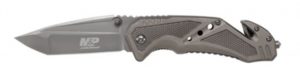
You don’t realize how valuable a glass breaker is until you’re inside a car and the door won’t open. Effectiveness depends on both the tool and window type. A standard escape tool should not be assumed to penetrate laminated glass; identify your vehicle’s glass and follow manufacturer instructions. Many folding knives and tactical pens now integrate this feature, meaning it’s easy to carry without adding bulk.
2. Seatbelt Cutter: The Unsung Hero of Road Safety
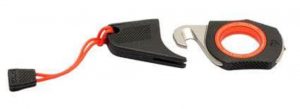
In a panic, fumbling with a jammed seatbelt can waste precious seconds. A dedicated seatbelt cutter uses a recessed cutting edge for webbing. It is different from the exposed main blade of a knife, and it does not eliminate injury risk. Check the exact model for a separate cutter and any glass-breaker feature.
Try the SOG Rapid Rescue SOG-26-30-04-43 (black/red), featuring both a glass breaker and a seatbelt cutter that can be stored on a keychain or lanyard loop.
3. Cutting Hooks and Electrical Rescue Hooks Are Different Tools
A compact cutting hook is designed to cut material such as webbing using a recessed edge. It is not an electrically insulated rescue hook.
Electrical-contact rescue involves specialist equipment, ratings, procedures, and trained personnel. An ordinary knife, cutting hook, or pry tool does not protect against electric shock. OSHA’s electrical work-practice guidance addresses qualified personnel and protective measures; do not treat a generic “rescue hook” label as a safety rating.
4. Compact Pry Tool: When “Just Use Your Knife” Isn’t the Answer
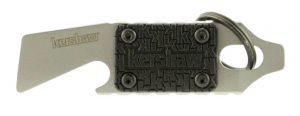
We love knives, but they’re not meant for prying. A dedicated compact pry tool can handle appropriate light prying tasks when used within its manufacturer’s limits. It is not a substitute for rated forcible-entry or electrical equipment. It’s a tiny investment in the longevity of your knives—and your sanity.
5. Multi-Tool with Rescue Features
Not all multi-tools are created equal. Identify the actual cutter, breaker, and other functions on the exact model. A collection label or multitool name does not establish which rescue features are present.
Choose by function and access
These tools don’t just belong in an EMT’s kit—they belong in your glove box, hiking pack, or EDC rotation. They’re lightweight, practical, and could one day save a life.
Which rescue tool is your go-to? Have you ever had to use one in the wild, on the road, or at home? Share your stories in the comments—we love a good “gear saved the day” tale.
For exact model comparisons, read our seatbelt-cutter and glass-breaker guide or browse the rescue knife collection.
AAA’s vehicle escape-tool testing explains why tempered and laminated glass should not be treated as interchangeable.


Leave a Reply