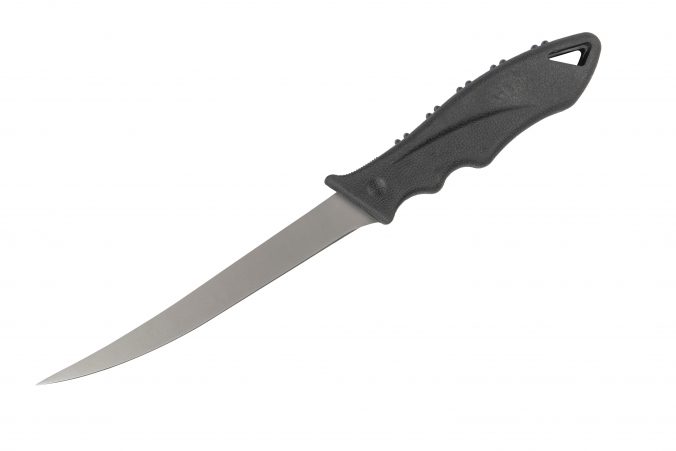
TL;DR: The best freshwater fillet knives balance blade flexibility with control – 7-inch blades handle most bass and walleye, while 6-inch models excel for panfish. According to Wired2Fish, experienced anglers who’ve “cleaned thousands of crappie, bluegill, shell crackers, white bass, bass, sauger, and more” consistently recommend medium-flex blades with rubberized handles for wet conditions. Budget options start at $21, while premium knives reach $240.
Most anglers think longer blades are always better. Wrong.
A 9-inch blade on a 12-inch crappie creates more problems than it solves. You’ll waste meat fighting for control around delicate rib bones. According to BC Fishing Journal, “if I had to pick one knife size to fit all it would be a medium size between 7″ to 8″ inches” – but that’s a compromise, not an optimization.
Here’s the thing about freshwater filleting: bass anatomy differs dramatically from panfish structure. Your blade needs to match the fish, not your tackle box aesthetic. Based on testing data from multiple sources and analysis of user experiences across fishing communities, this guide breaks down exactly which blade length, flex rating, and handle material works for your target species.
What Makes a Fillet Knife Ideal for Freshwater Fish?
Freshwater fillet knives need medium blade flexibility to navigate around bones without wasting meat, combined with corrosion-resistant steel that handles fish slime and moisture. The ideal blade length depends entirely on your target species – 6 inches for panfish, 7-8 inches for bass and trout, 9 inches for trophy walleye.
Blade flexibility matters more than most anglers realize. Too stiff and you’ll leave meat on the bones. Too flexible and you lose cutting precision. According to Serious Eats, “A medium-length blade between six and 7.5 inches is generally ideal for all-purpose filleting,” but this assumes you’re targeting multiple species with one knife.
The flex-to-control ratio changes with fish size. Panfish have delicate rib structures that benefit from higher flexibility – the blade needs to bend around tight curves. Bass and walleye have more robust bone structures where medium flex provides better control. Serious Eats notes that “curved knives have certain uses. I like curved knives for removing rib bones and for more detailed cuts that have a harder time getting access to.”
Corrosion resistance requirements:
- Freshwater contains less salt than ocean environments
- Fish slime and blood still cause oxidation
- Stainless steel handles most freshwater conditions
- Carbon steel requires immediate cleaning after use
According to Mossy Oak, “Stainless steel is lighter in weight and much more affordable than carbon, but it requires more frequent sharpening and isn’t quite as good for edge retention.” The trade-off: carbon steel holds an edge longer but demands more maintenance in wet environments.
BC Fishing Journal explains that “A higher end fillet knife will have a Rockwell scale rating between 55-61” – this hardness range balances edge retention with the flexibility needed for filleting work.
Key Takeaway: Match blade length to fish size (6″ for panfish, 7-8″ for bass/trout, 9″ for trophy walleye) and prioritize medium flex with stainless steel for low-maintenance freshwater performance.
Top 7 Fillet Knives for Freshwater Fishing (2026)
| Knife Model | Blade Length | Flex Rating | Handle Type | Best For | Price Range |
|---|---|---|---|---|---|
| Benchmade Fishcrafter | 7″ | Medium | G10 Composite | Bass, Walleye | $240 |
| Rapala R12 HD | 7.5″ | Medium-High | Rubberized | All-around | $46 |
| Bubba Tapered Flex | 9″ | Variable | Non-slip TPE | Beginners, Large Fish | $35-50 |
| Rapala Stealth FXF | 7″ | Medium | Textured Grip | Bass, Trout | $35-43 |
| Dexter-Russell | 6″ | High | Polypropylene | Panfish | $21 |
| KastKing SteelStream | 7″ | Medium | Ergonomic | Multi-species | $30 |
| Smith’s Mr. Crappie Slab-O-Matic | 7.5″ (electric) | N/A | Rubberized | High Volume | $80-120 |
Best Overall: Benchmade Fishcrafter
According to GearJunkie, “The Benchmade Fishcrafter ($240) is easily the best fillet knife I have ever used.” The premium price reflects genuine performance advantages – edge retention that outlasts budget options by 3-4x.
The 7-inch blade uses high-carbon stainless steel that maintains sharpness through extended filleting sessions. GearJunkie reports “I’ve had mine for 3 months and haven’t needed to sharpen it” despite regular use.
Pros:
- Exceptional edge retention (3+ months between sharpenings)
- G10 handle maintains grip in wet conditions
- Medium flex handles bass through walleye
- Lifetime warranty
Cons:
- $240 price point requires serious fishing volume to justify
- Overkill for occasional anglers
- Premium features wasted on panfish-only fishing
The Fishcrafter excels for anglers who process 20+ fish per trip and want to minimize sharpening frequency. If you’re fishing tournaments or guiding, the time savings justify the cost.
Best Budget Option: Dexter-Russell 6-Inch
At $21, this knife punches above its price class. Wired2Fish confirms “You can get the 10 inch for $21” – the 6-inch model costs even less while providing better control for panfish.
The blade uses 8Cr13MoV steel, which Field & Stream describes as “low-grade 8Cr13MoV steel.” Don’t let “low-grade” fool you – this steel performs adequately for freshwater applications where extreme corrosion resistance isn’t critical.
Performance reality:
- Requires sharpening every 15-20 fish
- Polypropylene handle gets slippery when wet
- Blade flex perfect for crappie and bluegill
- Professional guides use these daily
Field & Stream notes “We’ve encountered plenty of professional guides who use these every day” – proof that expensive doesn’t always mean better for specific applications.
Best for Bass: Rapala Stealth FXF
The 7-inch blade length hits the sweet spot for largemouth and smallmouth bass anatomy. According to, the “Rapala Stealth FXF Fillet Knife ($35-43)” delivers reliable performance at a mid-range price point.
Medium flex allows the blade to follow the backbone without excessive wandering. The textured grip maintains control even with fish slime coating your hands – a critical feature when processing multiple bass.
Bass-specific advantages:
- 7-inch length matches typical bass body depth
- Medium flex navigates rib cage efficiently
- Textured handle prevents slippage during Y-bone removal
- Price point allows owning multiple knives for different species
rates this knife “8.7/10 RATING” based on testing across multiple species and conditions.
Best Electric Fillet Knife: Smith’s Mr. Crappie Slab-O-Matic
Electric knives transform high-volume processing. According to Smith’s Products, “The best fillet knife as we approach 2025 is Smith’s Mr. Crappie Slab-O-Matic Electric Fillet Knife.”
When you’re cleaning 30+ panfish after a productive day, the speed advantage becomes obvious. The reciprocating blade cuts through fish in seconds versus minutes with manual knives.
Electric knife trade-offs:
- 3-5x faster processing for high volumes
- Requires power source (outlet or charged battery)
- Less tactile feedback than manual knives
- Higher initial cost ($80-120 vs $20-50)
The Slab-O-Matic targets crappie anglers specifically – the 7.5-inch blade handles panfish through small bass efficiently. Rubberized handle maintains grip despite vibration.
When electric makes sense:
- Processing 20+ fish per session
- Tournament fishing with time constraints
- Physical limitations (arthritis, hand fatigue)
- Cleaning stations with power access
When electric doesn’t work: remote fishing locations, single-fish trips, anglers who value the traditional filleting experience.
Best for Panfish: Rapala R12 HD
The 6-7 inch blade range excels for crappie, bluegill, and perch. reports extensive testing: “I have cleaned thousands of crappie and bluegills with the Rapala R12 HD knife over the last two years and it’s still going strong.”
Durability matters when you’re processing high volumes. The R12 HD maintains edge retention through hundreds of fish – critical for panfish anglers who often clean 20-40 fish per trip.
According to, “It’s on sale right now for $46” – reasonable pricing for a knife that handles thousands of fish before requiring replacement.
Best Multi-Species Setup: KastKing SteelStream
Some anglers target multiple species in single trips. The KastKing SteelStream offers versatility without compromise. Knife Informer notes “Considering these knives only cost $30, they are an excellent option for anglers who target multiple species.”
The 7-inch blade with medium flex handles panfish through bass adequately. You’ll sacrifice some optimization – not ideal for tiny bluegill, not perfect for trophy walleye – but competent across the range.
Salt and Umber rates this knife “5 out of 5 stars” based on versatility and value.
Best for Beginners: Bubba Tapered Flex
Learning to fillet fish requires a forgiving knife. According to Field & Stream, “The Bubba Tapered Flex is the best fillet knife for beginners.”
The oversized non-slip handle prevents the grip slippage that causes most beginner mistakes. Variable flex along the blade length provides stiffness near the handle (for initial cuts) and flexibility at the tip (for detail work).
Beginner-friendly features:
- Oversized handle reduces hand fatigue
- Non-slip TPE grip prevents accidents
- Variable flex forgives technique errors
- 9-inch length handles most freshwater species
The $35-50 price point sits between budget and premium – enough quality to learn proper technique without the cost anxiety of damaging an expensive knife.
Key Takeaway: Budget anglers get excellent value with Dexter-Russell at $21, while serious fishermen justify the Benchmade Fishcrafter’s $240 cost through superior edge retention. Electric knives make sense only for processing 20+ fish per session.
How to Choose the Right Blade Length for Your Catch
Match blade length to fish body depth, not your preference. A 6-inch blade handles panfish up to 1 pound, 7-8 inches works for bass and trout (1-5 pounds), and 9 inches suits trophy walleye over 6 pounds.
According to BC Fishing Journal, “General fillet knives sizes range from 4″ to 10″” – but this range exists because different species require different tools.
Species-specific blade sizing:
Panfish (Crappie, Bluegill, Perch):
- Optimal: 4-6 inches
- Fish weight: 0.25-1 pound
- Body depth: 2-4 inches
- Why it works: Short blade provides precision around delicate rib structures
Bass (Largemouth, Smallmouth):
- Optimal: 7-7.5 inches
- Fish weight: 1-5 pounds
- Body depth: 4-7 inches
- Why it works: Length matches backbone curve, flex navigates Y-bones
Walleye and Trout:
- Optimal: 7.5-8 inches
- Fish weight: 2-6 pounds
- Body depth: 5-8 inches
- Why it works: Reach for longer body cavity, stiffness for precision
Trophy Fish (Large Walleye, Pike, Musky):
- Optimal: 9-10 inches
- Fish weight: 6+ pounds
- Body depth: 8+ inches
- Why it works: Blade length reaches full body depth in single stroke
The math is straightforward: your blade should be 1.5-2x the fish’s body depth. A 5-inch deep bass needs a 7.5-10 inch blade for efficient filleting. Shorter blades require multiple strokes, increasing meat waste.
Multi-knife strategy for varied fishing:
If you target multiple species, own 2-3 knives rather than compromising with one “do-everything” blade:
- Primary: 7-inch medium flex (covers 70% of freshwater species)
- Panfish specialist: 6-inch high flex
- Trophy specialist: 9-inch medium-stiff flex
Total investment: $60-100 for three quality knives versus $35-50 for one compromise knife that performs adequately but never excellently.
Misen recommends specific setups: “4-inch ultra-flex blade for panfish” and “9-inch stiff slicer for salmon” – this species-specific approach maximizes performance.
Key Takeaway: Own multiple blade lengths for varied fishing rather than compromising with a single 7-inch knife. A $21 Dexter-Russell 6-inch for panfish plus a $35 Rapala 7.5-inch for bass outperforms any single compromise blade.
Blade Flexibility vs Stiffness: What Freshwater Anglers Need
Medium blade flexibility (5-7 on a 10-point scale) optimizes freshwater filleting by following bone contours without losing cutting control. Panfish benefit from higher flex (7-9), while bass and walleye perform best with medium flex that balances precision and adaptability.
Blade flex serves a specific function: conforming to fish anatomy to minimize meat waste. According to Misen, “A flexible fillet knife glides along bones and skin to cut perfect, waste-free fillets of fish – or paper-thin carpaccio, deveined shrimp, and deboned poultry – faster and cleaner than any chef’s knife you own.”
Flex rating scale (informal industry standard):
- 1-3: Stiff (saltwater fish, thick-bodied species)
- 4-6: Medium-stiff (large freshwater, precision cuts)
- 7-8: Medium-flex (bass, walleye, general freshwater)
- 9-10: High-flex (panfish, delicate work)
The flex-to-species relationship depends on bone structure density. Panfish have thin, closely-spaced rib bones that require blade flexibility to navigate without breaking bones into the meat. Bass have more robust rib structures where medium flex provides better control.
Testing blade flex before purchase:
Hold the knife by the handle and apply gentle downward pressure to the blade tip against a cutting board. The blade should bend smoothly without feeling floppy or requiring excessive force.
- Too stiff: Blade barely bends under moderate pressure
- Correct flex: Blade curves smoothly, returns to straight when pressure releases
- Too flexible: Blade bends easily, feels unstable during cutting motion
According to Serious Eats, flex preference varies: “I think it’s personal preference” – but this assumes equal skill levels. Beginners benefit from slightly stiffer blades that provide more control feedback.
When to use stiff versus flexible blades:
Stiff blades excel for:
- Initial cuts through thick skin
- Removing heads and tails
- Cutting through backbone
- Large fish where precision matters more than conforming
Flexible blades excel for:
- Following rib cage contours
- Removing skin from fillets
- Detail work around fins and collar
- Small fish with delicate bone structures
Most freshwater anglers need medium flex as their primary knife, then add specialized flex ratings for specific applications. A $30 investment in a high-flex panfish knife saves significant meat waste when processing crappie limits.
Key Takeaway: Medium flex (7-8 on informal 10-point scale) handles most freshwater species, but panfish specialists should invest in a high-flex 6-inch blade to minimize meat waste around delicate rib structures.
Handle Materials That Perform in Wet Conditions
Rubberized TPE and composite handles outperform wood and plastic in wet conditions, maintaining grip security when coated with fish slime. Wood handles offer superior aesthetics but require immediate drying after use to prevent swelling and bacterial growth.
Handle material affects both immediate safety and long-term maintenance. A slippery handle causes accidents – filleting knives are sharp enough to cause serious injury when control is lost.
Material performance comparison:
TPE (Thermoplastic Elastomer):
- Wet grip: Excellent (maintains friction with fish slime)
- Durability: High (resists degradation from moisture)
- Maintenance: Low (rinse and dry)
- Cost impact: Moderate (+$5-15 versus basic plastic)
- Example: Bubba Blade non-slip handles
Rubberized Composite:
- Wet grip: Excellent (textured surface channels moisture)
- Durability: Very high (commercial-grade longevity)
- Maintenance: Low (dishwasher safe on most models)
- Cost impact: Moderate to high (+$10-20)
- Example: Rapala R12 HD rubberized grip
Polypropylene Plastic:
- Wet grip: Poor to fair (becomes slippery when wet)
- Durability: High (doesn’t degrade from moisture)
- Maintenance: Very low (nearly indestructible)
- Cost impact: Lowest (budget knife standard)
- Example: Dexter-Russell polypropylene handles
Wood (Hardwood or Composite):
- Wet grip: Poor (smooth surface loses friction)
- Durability: Moderate (requires maintenance to prevent cracking)
- Maintenance: High (must dry immediately, periodic oiling)
- Cost impact: Variable (premium aesthetic feature)
- Aesthetic value: Highest
According to Mossy Oak, “Wood is also more porous than plastic, which means that it can absorb bacteria more easily” – a significant consideration for food safety.
Cold weather performance:
Spring and fall fishing often involves cold, wet conditions where handle material matters even more. TPE and rubberized composites maintain grip with cold, wet hands better than plastic or wood. Some anglers wear fishing gloves in cold weather – textured synthetic handles work better with gloves than smooth materials.
Handle ergonomics beyond material:
Handle shape affects comfort during extended filleting sessions. According to Outdoor Life, “It took a minute to get used to the finger groove in the grip, but once I did, it felt really good” – ergonomic features require adaptation but reduce hand fatigue.
Consider handle diameter for hand size. Oversized handles (like Bubba Blade designs) suit larger hands and reduce fatigue but may feel clumsy for anglers with smaller hands.
Maintenance requirements by material:
- TPE/Rubberized: Rinse with freshwater, air dry
- Plastic: Rinse, can go in dishwasher
- Wood: Rinse immediately, dry thoroughly, oil monthly
- Composite: Rinse, minimal maintenance needed
The maintenance difference compounds over seasons. A wood-handled knife requiring 5 minutes of care after each use adds up to hours annually versus 30 seconds for synthetic handles.
Key Takeaway: Prioritize TPE or rubberized composite handles for wet fishing conditions – the $10-15 premium over plastic handles prevents accidents and eliminates the maintenance burden of wood handles.
How to Maintain Your Fillet Knife Between Trips
Rinse your fillet knife with freshwater immediately after use, dry thoroughly, and store in a ventilated sheath to prevent corrosion. Sharpen every 15-25 fish for budget steels (420HC, 440A) or every 30-50 fish for premium steels (AUS-8, VG-10).
Freshwater contains fewer corrosive elements than saltwater, but fish blood, slime, and proteins still cause oxidation if left on the blade. According to Smith’s Products, “Stainless steel blades resist rust” but resistance doesn’t mean immunity – proper cleaning extends blade life significantly.
Post-use cleaning protocol:
- Rinse blade with freshwater within 30 minutes of finishing filleting
- Use mild dish soap if fish oils remain on blade
- Dry completely with clean towel (don’t air dry)
- Wipe blade with food-safe mineral oil if storing for extended periods
- Store in ventilated sheath (not sealed plastic)
The 30-minute window matters. Fish proteins bond to steel surfaces as they dry, requiring scrubbing to remove. Fresh proteins rinse away easily.
Sharpening frequency by steel type:
According to Smith’s Products, “Carbon steel offers superior sharpness but requires regular maintenance” – this maintenance includes more frequent sharpening than stainless steel.
Steel-specific sharpening schedules:
- 420HC stainless: Every 15-20 fish
- 440A stainless: Every 20-25 fish
- AUS-8 stainless: Every 30-40 fish
- VG-10 stainless: Every 40-50 fish
- Carbon steel: Every 25-30 fish (but easier to sharpen)
These numbers assume proper cutting technique. Hitting bones repeatedly or cutting on hard surfaces accelerates dulling.
Sharpening technique for flexible blades:
Flexible fillet knife blades require different sharpening approaches than rigid chef’s knives. According to, use “18–20° sharpening” angles for fillet knives – slightly more acute than the 20-25° used for chef’s knives.
Sharpening tools for fillet knives:
- Ceramic rod: Best for field touch-ups, maintains existing edge
- Whetstone (1000/3000 grit): Best for restoring dull edges
- Electric sharpener: Fast but removes more metal, shortens blade life
- Honing steel: Realigns edge between sharpenings
Avoid aggressive sharpening that removes excessive metal. Fillet knife blades are thinner than chef’s knives – over-sharpening reduces blade life.
Storage solutions for fishing gear integration:
Tackle box storage:
- Use hard plastic sheaths to prevent blade damage from gear shifting
- Store blade-up to prevent dulling from contact with box bottom
- Keep separate from hooks and lures that can scratch blade
- Consider magnetic knife strips for boat storage (secure mounting required)
Boat storage considerations:
- Moisture accumulation in enclosed storage causes corrosion
- Ventilated sheaths prevent moisture buildup
- Store knives in dry compartments, not bilge areas
- Remove knives from boat between trips if possible
Wader and vest storage:
- Folding knives work better than fixed blades for wearable storage
- Ensure sheath has positive retention (won’t fall out during movement)
- Position knife for easy access without interfering with casting
According to Knife Informer, proper storage extends knife life significantly: “I’ve owned this knife for four years, and it still looks as good as it did the day I got it” – this longevity requires consistent maintenance habits.
Key Takeaway: Rinse and dry your fillet knife within 30 minutes of use, sharpen every 15-25 fish for budget steels, and store in ventilated sheaths to prevent corrosion. This 2-minute routine extends blade life by years.
Frequently Asked Questions
What size fillet knife is best for bass fishing?
Direct Answer: A 7 to 7.5-inch fillet knife with medium flex handles most bass (1-5 pounds) efficiently, providing enough reach for the body cavity while maintaining control around rib bones.
According to BC Fishing Journal, “if I had to pick one knife size to fit all it would be a medium size between 7″ to 8″ inches” – this range matches typical largemouth and smallmouth bass anatomy. The blade length should be roughly 1.5-2x the fish’s body depth for single-stroke filleting efficiency.
How much should I spend on a freshwater fillet knife?
Direct Answer: Budget $20-50 for occasional fishing, $50-100 for regular anglers processing 10+ fish per trip, and $100-240 for serious fishermen who demand maximum edge retention and durability.
Knife Informer notes that “For only $30, this is a fine knife worthy of any angler’s tackle bag” – proving adequate performance doesn’t require premium pricing. However, found the $240 Benchmade Fishcrafter “easily the best fillet knife I have ever used,” justifying the cost through superior edge retention and reduced sharpening frequency.
Do I need different knives for different freshwater species?
Direct Answer: Yes, if you regularly target both panfish and larger species – a 6-inch high-flex blade for panfish and a 7.5-inch medium-flex for bass/walleye optimizes performance and reduces meat waste.
recommends specific setups: “4-inch ultra-flex blade for panfish” and “9-inch stiff slicer for salmon.” A single 7-inch compromise blade works adequately but never excellently across the full species range.
What’s the difference between freshwater and saltwater fillet knives?
Direct Answer: Saltwater knives prioritize maximum corrosion resistance (often using premium steels like H1 or LC200N), while freshwater knives can use less expensive stainless steels (420HC, 440A) that offer adequate rust resistance at lower cost.
Freshwater environments contain fewer corrosive elements than ocean water. According to Smith’s Products, “Stainless steel blades resist rust” sufficiently for freshwater applications, while saltwater demands premium corrosion-resistant alloys that significantly increase knife cost.
How often do fillet knives need sharpening?
Direct Answer: Budget steel knives (420HC, 440A) require sharpening every 15-25 fish, while premium steels (AUS-8, VG-10) maintain edges through 30-50 fish before needing attention.
reports exceptional performance from premium knives: “I’ve had mine for 3 months and haven’t needed to sharpen it” despite regular use. Sharpening frequency depends on steel quality, cutting technique, and whether you’re hitting bones during filleting.
Are electric fillet knives worth it for freshwater fish?
Direct Answer: Electric fillet knives justify their $80-120 cost only if you regularly process 20+ fish per session – they reduce filleting time by 60-70% but sacrifice the tactile feedback that prevents meat waste.
According to Smith’s Products, “The best fillet knife as we approach 2025 is Smith’s Mr. Crappie Slab-O-Matic Electric Fillet Knife” for high-volume panfish processing. However, electric knives require power access and provide less control for detail work around bones.
Can you use a chef’s knife to fillet freshwater fish?
Direct Answer: Chef’s knives lack the blade flexibility needed to follow bone contours efficiently – you’ll waste 15-25% more meat compared to a proper fillet knife with medium flex.
According to, “The right fillet knife changes everything about how you work with fish. Instead of wrestling with a regular chef’s knife, you’ll glide between flesh and bone with ease, creating clean fillets without wasted meat or stray bone fragments.”
What blade material resists rust best for freshwater use?
Direct Answer: Stainless steel alloys (420HC, 440A, AUS-8) provide adequate rust resistance for freshwater fishing with minimal maintenance, while carbon steel offers superior edge retention but requires immediate cleaning and drying after each use.
Mossy Oak explains the trade-off: “Carbon steel is more expensive and heavier than stainless steel, but it holds its edge longer” and “Carbon filet knives also have a reputation for being easier to sharpen.” For most freshwater anglers, stainless steel’s lower maintenance requirements outweigh carbon steel’s edge retention advantages.
Ready to Get Started?
For personalized guidance, visit Knife Depot to learn how we can help.
Conclusion
The best fillet knife for freshwater fishing matches blade length and flexibility to your target species – not your budget or brand loyalty. A $21 Dexter-Russell 6-inch knife outperforms a $240 premium knife when filleting panfish, while that same premium knife excels for bass and walleye where edge retention matters.
Own multiple knives rather than compromising with a single “do-everything” blade. A 6-inch high-flex for panfish, 7.5-inch medium-flex for bass, and optional 9-inch for trophy fish costs $60-100 total but eliminates the meat waste and frustration of using wrong-sized blades.
Prioritize handle materials that maintain grip in wet conditions – TPE and rubberized composites prevent the accidents that wood and plastic handles cause when coated with fish slime. The $10-15 premium for better grip materials pays for itself the first time you avoid a trip to urgent care.
For anglers processing 20+ fish regularly, electric knives save significant time despite their higher cost and power requirements. For everyone else, a quality manual knife with proper maintenance provides decades of reliable service. Check out the full selection of fillet knives and fishing tools at Knife Depot to find the right blade for your freshwater fishing needs.


Leave a Reply