The Cutting Edge

The official blog of Knife Depot

Search results: "new crkt" (page 8 of 10)

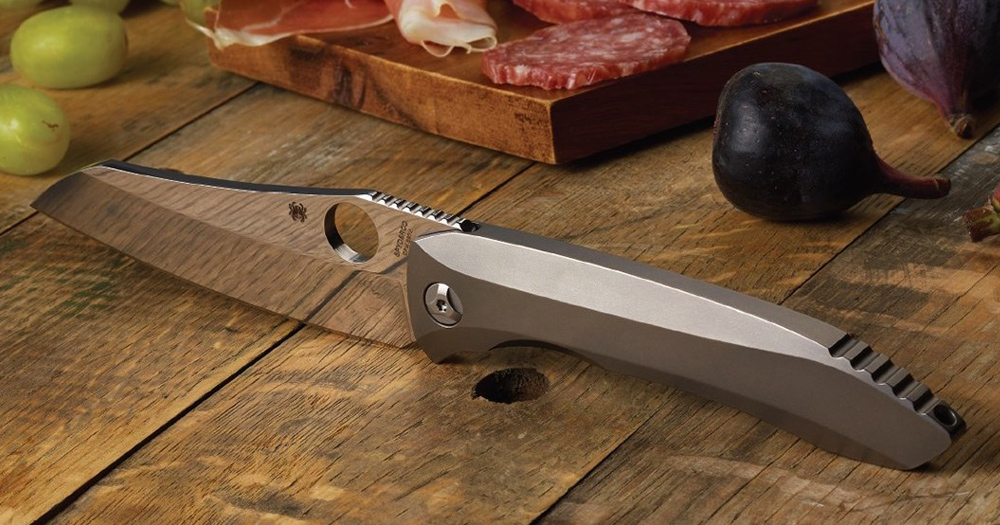
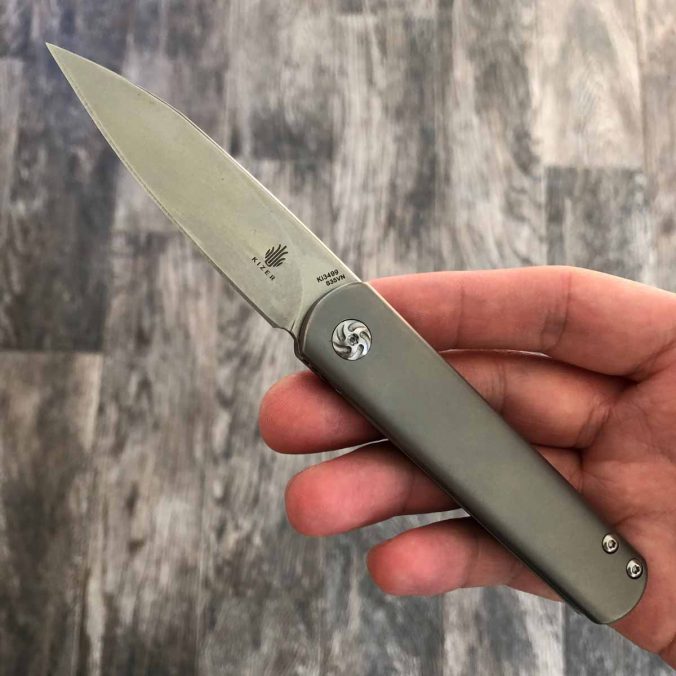
Kizer Feist Review

If you haven’t heard of Kizer, you probably fall into two categories: 1) you only buy American knives and ignore everything else or 2) you’re not a big knife person.

Kizer has firmly moved from the up-and-coming category of knife companies to a bona fide knife manufacturer to be reckoned with. I’ve been following Kizer for a few years and even wrote about them in my article tackling the myth that knives from Chinese companies are junk. I haven’t had the opportunity to take a deep dive into a specific knife from the company. So when the chance to work with them arose, I jumped on it.

They wanted to send me a knife to review, so I selected the intriguing Kizer Feist.

Here is my review.

Kizer Feist Specs
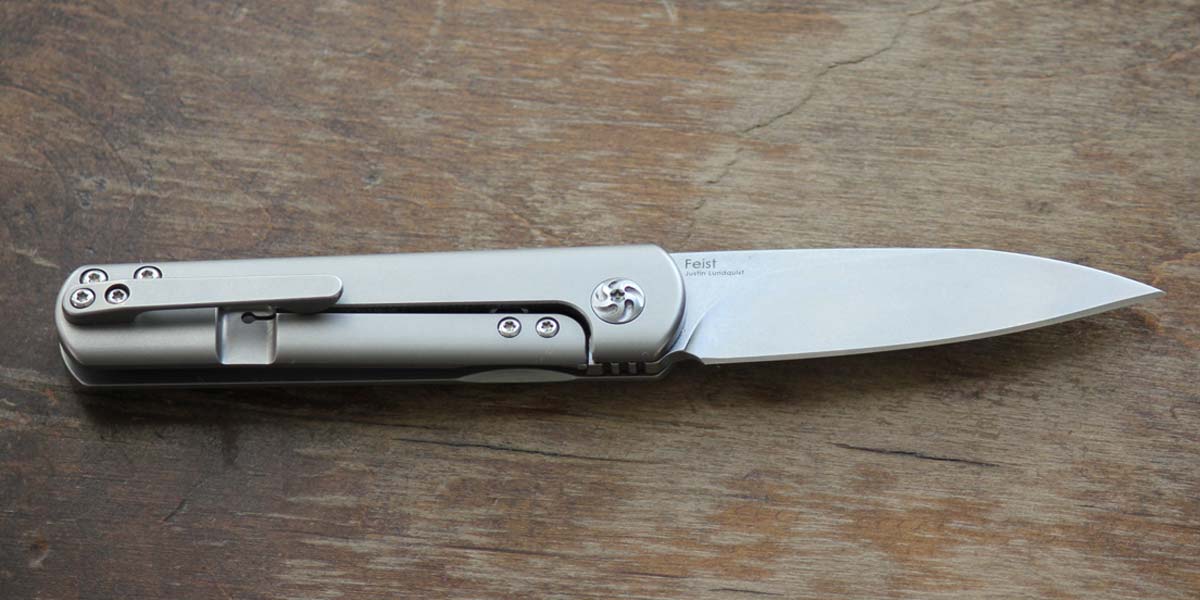
Part of the reason I chose to review the Feist over the dozens of other Kizer offerings is that it is very much aligned with what I look for in a good folder: it’s small, sleek, unobtrusive, and has the potential for a high fidget factor.

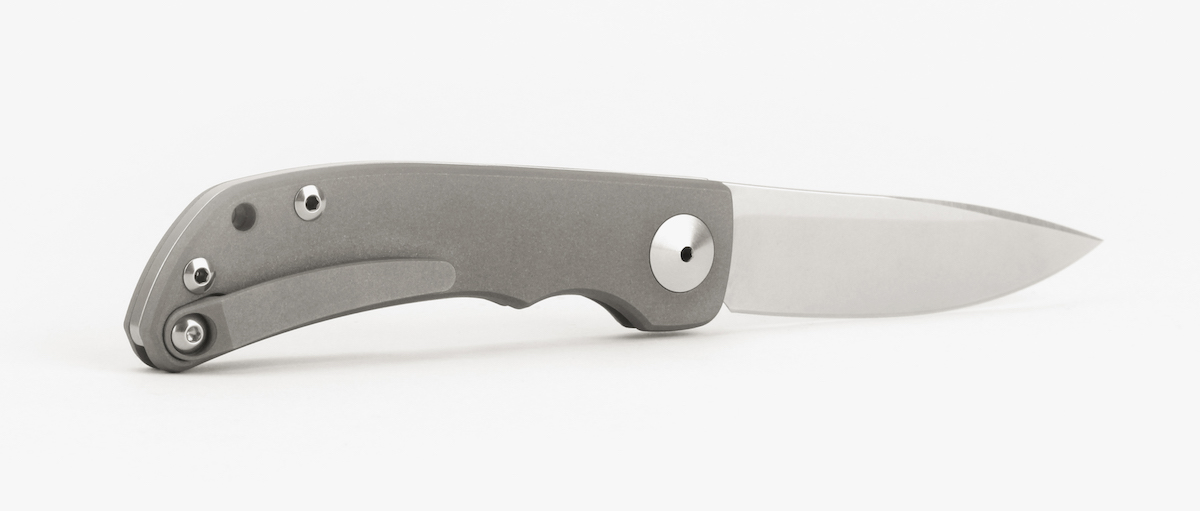
Designed by custom knife maker Justin Lundquist, the Feist has an overall length of 6.54 inches when open — which translates to 2.83 inches for the blade and 3.71 inches for the handle. The blade is described as a drop point profile, though it’s almost a spear point.

The blade is made from CPM-35VN stainless steel with a hardness of 58-60 HRC (see here if you want to learn more about what that actually means).

The handles are essentially two slabs of 6Al4V titanium. A frame lock keeps it open while a single position pocket clip rounds out the features of the handle.

A front flipper is the most notable part about the Feist design, but we’ll get into that later.

The knife has an MSRP of $256 and a street price at $168.

Kizer & the Feist Controversy

Before I delve deeper into the actual knife, I must address the Feist controversy.

Kizer has been around for a few years but really started making its name when it began working with popular knife makers. Despite being a company from China, people everywhere started fawning over the designs and quality of the knives. For example, the Gemini designed by Ray Laconico was widely considered one of the best knives of 2015.
Continue reading

2018 BLADE Show West Award Winners

The first annual BLADE Show West — an offshoot of the biggest knife gathering in the world — was a success.

People flocked to the Oregon Convention Center to see some of the top knife makers and manufacturers display their knives.

The West Coast version of BLADE Show was similar to the original (see the other 2018 winners here) in that it offers a few awards to the worthy knives out there. There were different categories, of course.

Here’s a rundown of the custom and factory knife awards winners at the 2018 BLADE Show West. First up are the factory awards followed by the custom awards.

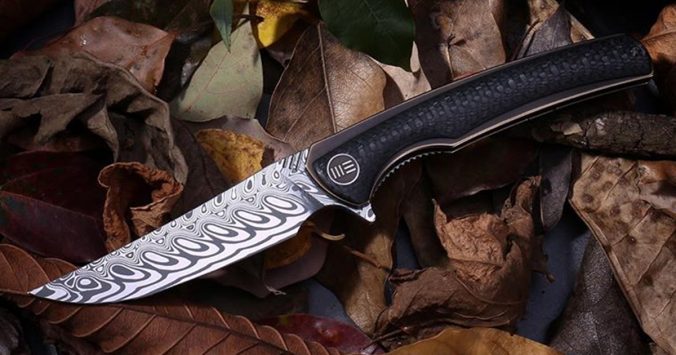
Factory Best in Show & Best Folding Knife: WE Knife 704DS


For factory knives, WE Knife took home the awards of Best in Show and Best Folding Knife with its WE Knife 704DS.

This knife from the Chinese company features a 3.6-inch Damasteel blade with a flipper and a carbon fiber/bronze anodized titanium liners. This is just a gorgeous knife through and through.

Best Factory Fixed Blade Knife: Bradford Guardian 4.5

The Bradford Guardian 4.5 won the best fixed blade knife with its 4-inch 3V blade and Micarta scales. It’s a simple design with carefully considered design aspects.

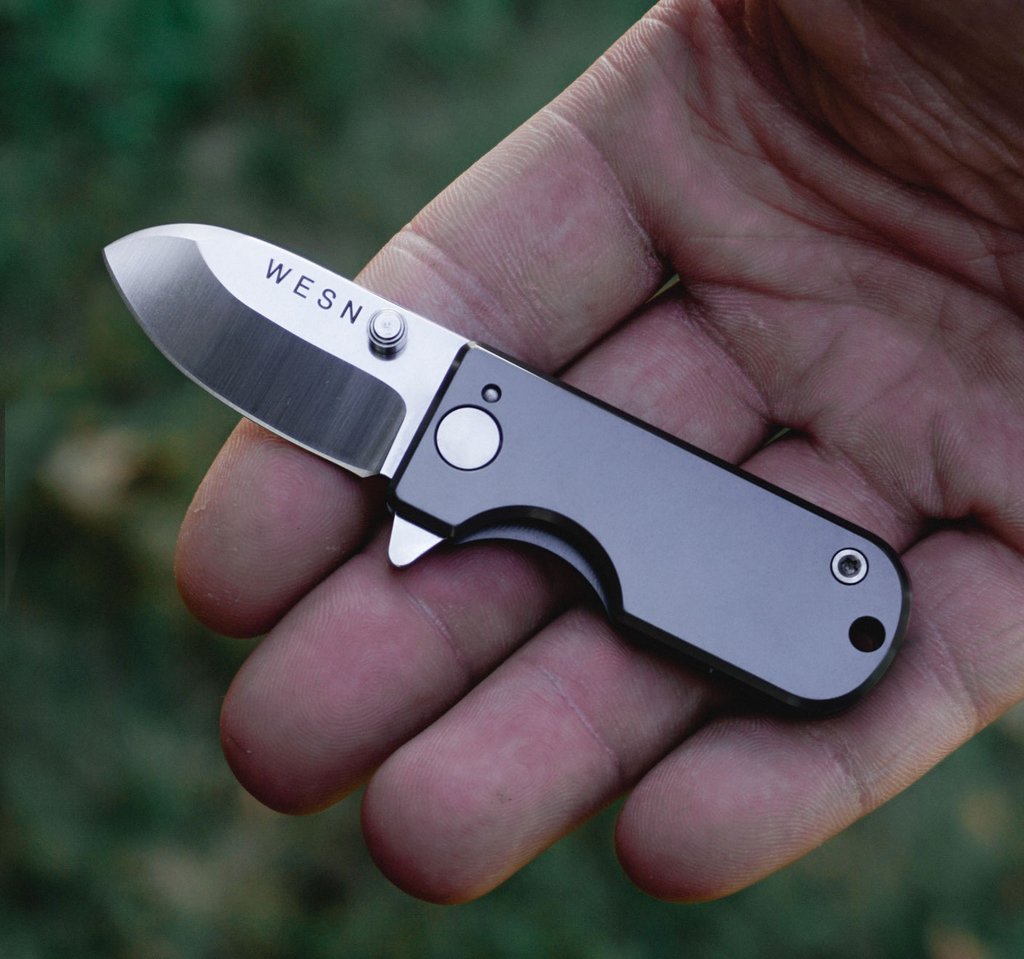
Best Factory EDC Knife: WESN Microblade

The WESN Microblade started as a Kickstarter project and ended with a Best EDC Knife award. It has a small 1.5-inch blade and titanium handle. It’s tiny in the hand but easy to carry.

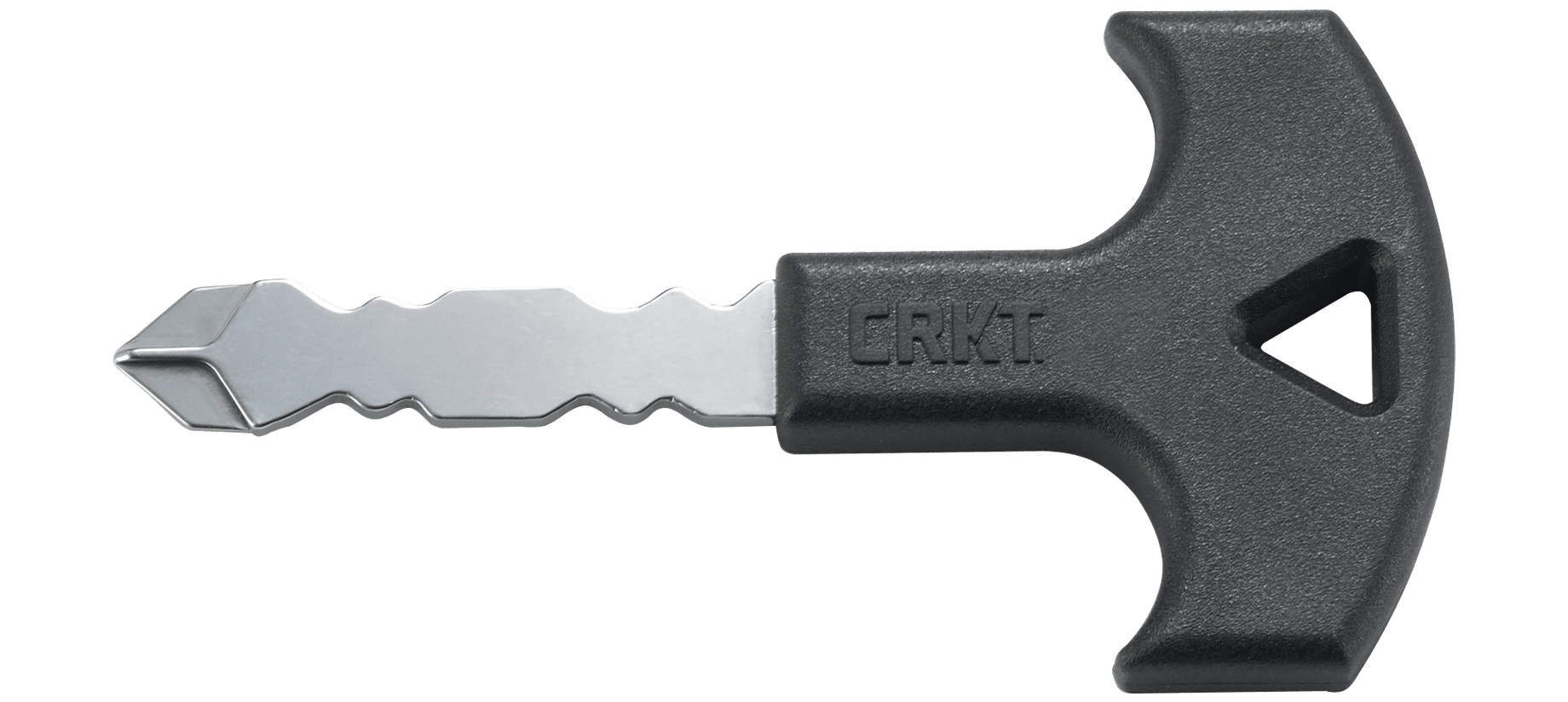
Best Factory EDC Non-Knife: CRKT Williams Tactical Key

There are tons of key tools out there, including the famous key knives from SOG. But the CRKT Williams Tactical Key has an eye on self-defense purposes. The key is there for last-ditch situations or when you need a Philips screwdriver.

Continue reading

2018 BLADE Show ‘Knife of the Year’ Awards

Another BLADE Show has come and gone.

While I wasn’t able to attend this year, I’m not going to ignore one of my favorite events of the knife-filled weekend: the awards.

The Knife of the Year awards are designed to recognize the highest achievements in the factory-made and custom knife industries. Some experts in the field have argued that the winners of the awards have not reflected the consensus of the wider knife community. However, it is interesting to see which ones take home the top prize.

Overall Knife of the Year: Fox Knives SURU

Image from Blade Magazine

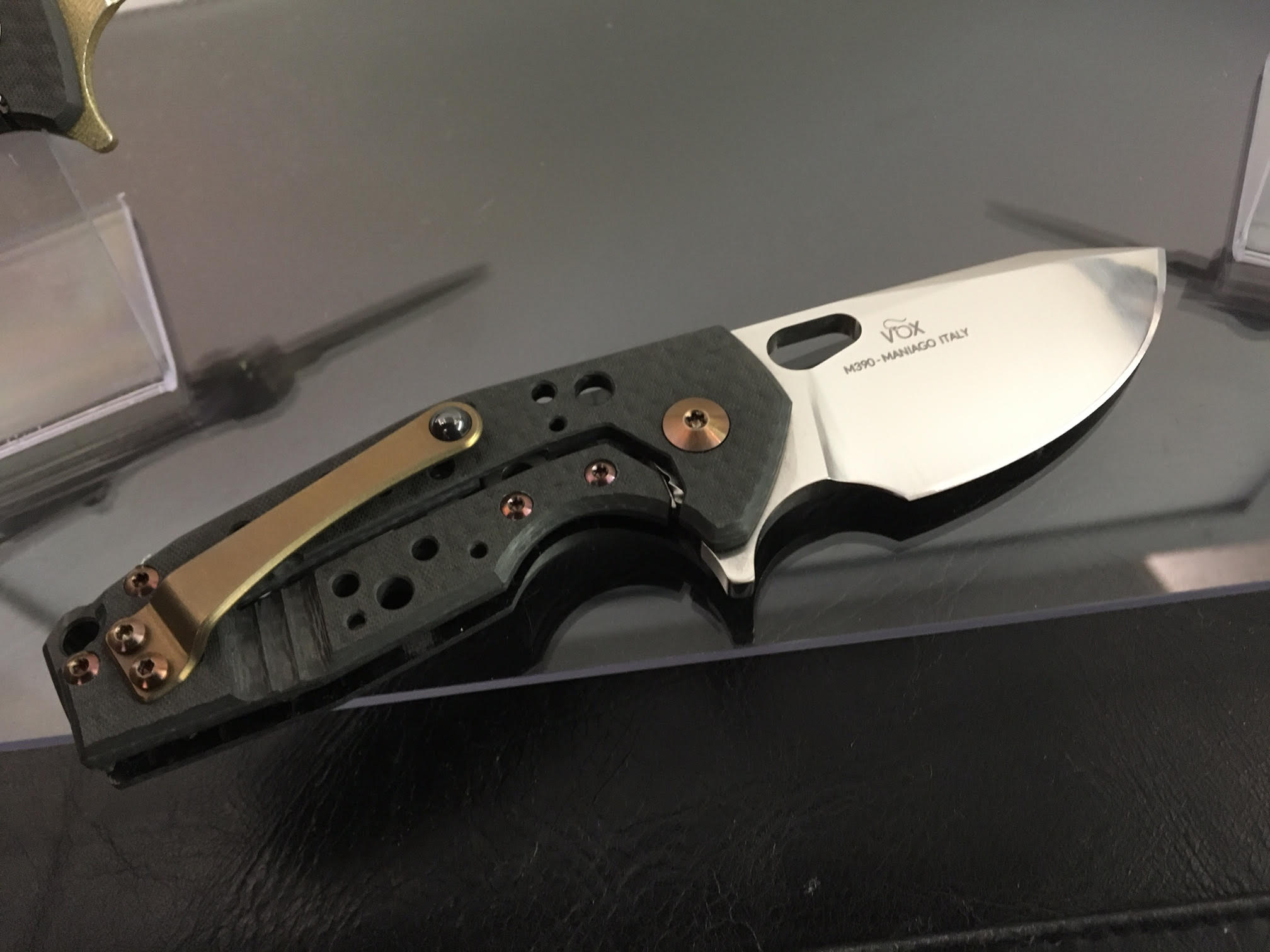
First up is the biggie: the Overall Knife of the Year. Fox Knives took home the top prize with the SURU. Designed by Jesper Voxnaes (as you can plainly see), the SURU is the first frame mechanism made from 90 percent carbon fiber and 10 percent TPI stainless steel. I imagine the carbon fiber makes it extremely lightweight.

It is a darn sexy knife with flourishes like titanium screws, Vegas Forge Herringbone Damascus steel, and a titanium clip with a zirconium oxide ball.

American Made Knife of the Year: Chris Reeve Impinda

Next up is the American Made Knife of the Year. The Impinda is the first slip joint from Chris Reeve Knives and looks as though it captures the same quality and finish you can expect from other CRK models like the Sebenza. It has a 3.123-inch S35VN blade with a titanium handle.

https://www.instagram.com/p/BjmwcrxjIS3/

Imported Knife of the Year: Spyderco Paysan

The Paysan was just released in the Spyderco 2018 Mid-Year Guide a few days ago and was one of the knives we were most excited for. It’s not hard to see why.

Continue reading

15 Discontinued Knife Models That Should Make a Comeback

Nothing lasts forever.

Every single year, dozens of knife models get discontinued for one reason or another. But just because a knife is discontinued due to low sales or a lack of space in the lineup doesn’t mean it wasn’t good.

In fact, many discontinued knives were well made and beloved by many. Some gems have gone the way of the dodo and we wanted to take a look back at a few of our favorite or most-missed production knives.

I understand most of these are available on the second market for sometimes exorbitant prices, but I’d love to see these knives back in production for more reasonable prices.

Benchmade AFCK

If I had to guess, I’d venture the Benchmade AFCK is the knife people want to bring back the most.

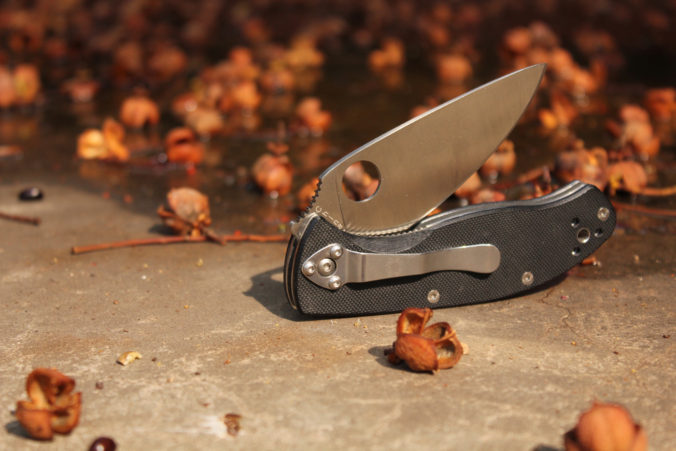
The AFCK (Advanced Folding Combat Knife) was designed by former Navy SEAL Chris Caracci for Benchmade. It featured a visually appealing blade that was optimized for self-defense but worked well for everyday carry. The blade had a Spyderco Round Hole and it used a liner lock. Caracci didn’t care much for the AXIS.

Continue reading

Gateway Knives for Each Brand

There is an old theory called the stepping-stone hypothesis that claims using mild drugs will lead to the usage of more potent and addictive drugs. This phenomenon became more widely known as the concept of the “gateway drug” in the 1970s.

I am not here to argue the merits of the claim, but the term “gateway” has now become a catchall for an introductory item that leads to a greater obsession.

I was curious to learn more about how people came to the obsession of knives, so I set out to find the most common “gateway knives” for every brand. These are the knives people first got that made them more interested in a brand, slowly consuming them until they had bought up as many knives from the brand as possible.

I thought I’d focus on the 20 top brands. I’ll include a secondary choice at the end.

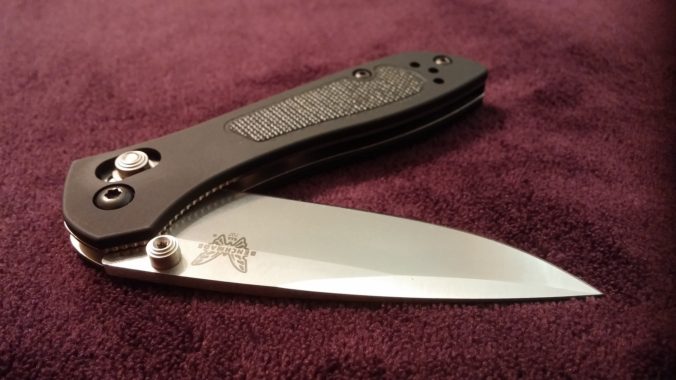
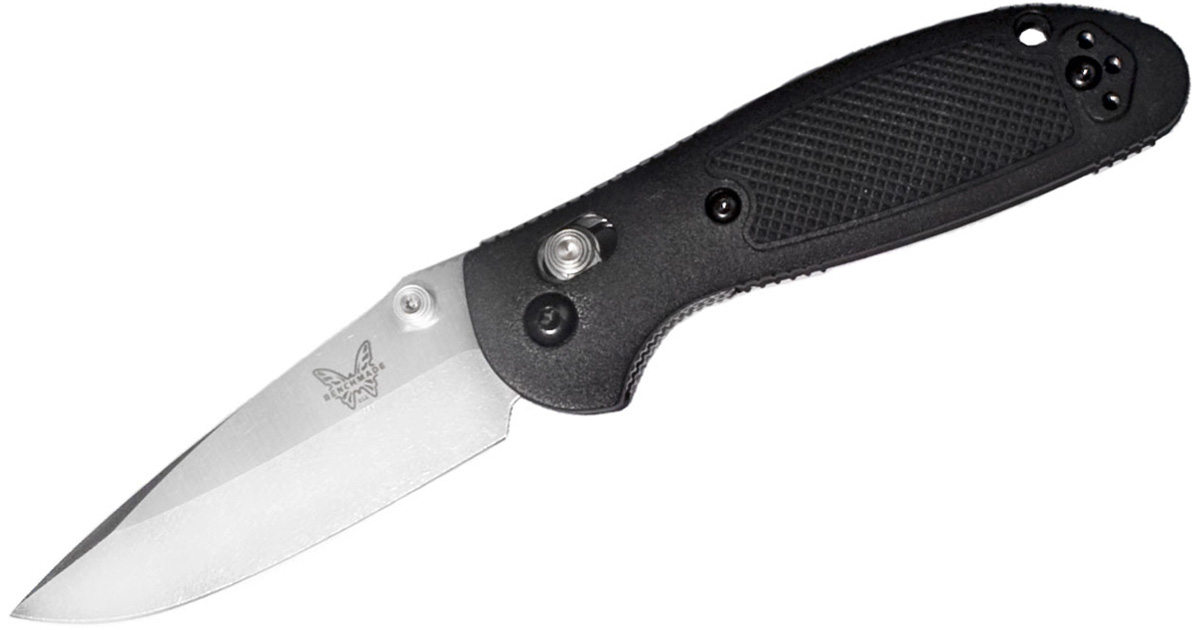
Benchmade Mini Griptilian

Benchmade Mini Griptilian

The first brand up is Benchmade. Benchmade is already a brand known for higher-end knives, so it’s not likely a person’s first knife will ever be a Benchmade. However, for those interested in trying out the brand before they make a long-term commitment to its more expensive offerings, there’s the Mini Griptilian.

This knife is an icon and still represents the best of Benchmade. The Mini Griptilian uses 154CM steel on its sub-3-inch blade and Noryl GTX scales. After this knife, you shouldn’t be surprised to see someone upgrade to the premium version of the Mini Griptilian and maybe even try out some other Benchies like the Barrage or Infidel.

Secondary Choice – Benchmade Griptilian

I was tempted to choose the Benchmade 940 as a secondary option, but it’s about $182. So the larger Griptilian seems like a better option.

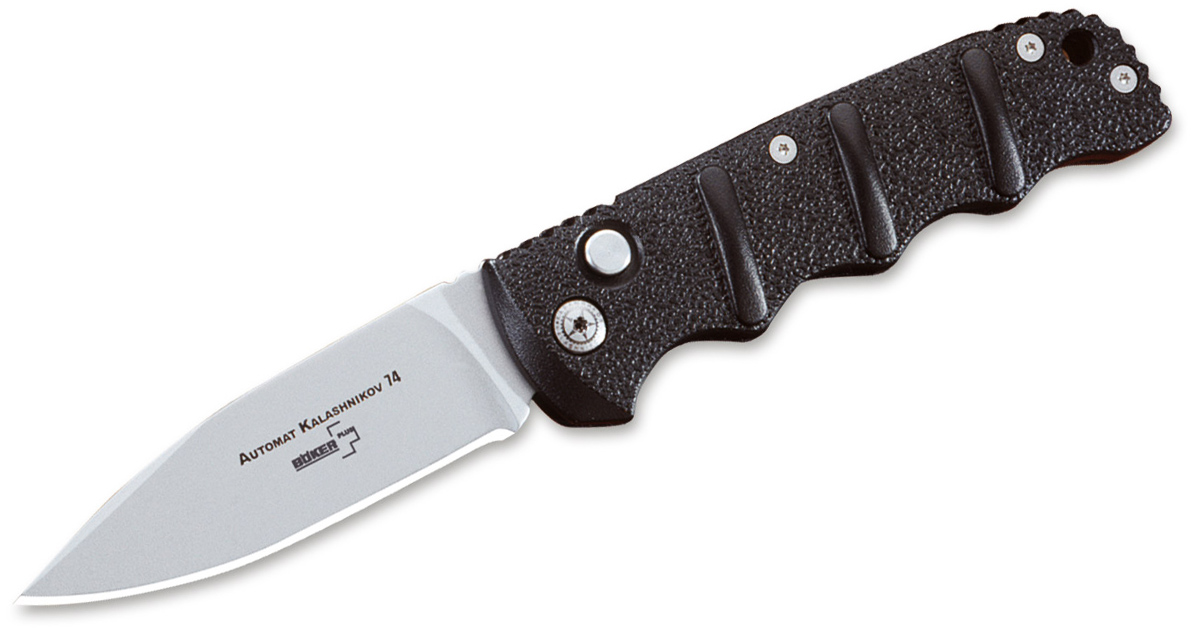
Boker Kalashnikov Automat 74

Boker Kalashnikov Automat 74

Of all the brands, I had the most trouble finding the perfect gateway knife that could get people hooked on Boker. The problem is that there are so many models — not to mention several different brands under the Boker umbrella. I ultimately decided on the Boker Plus Kalashnikov Automat 74.

Continue reading

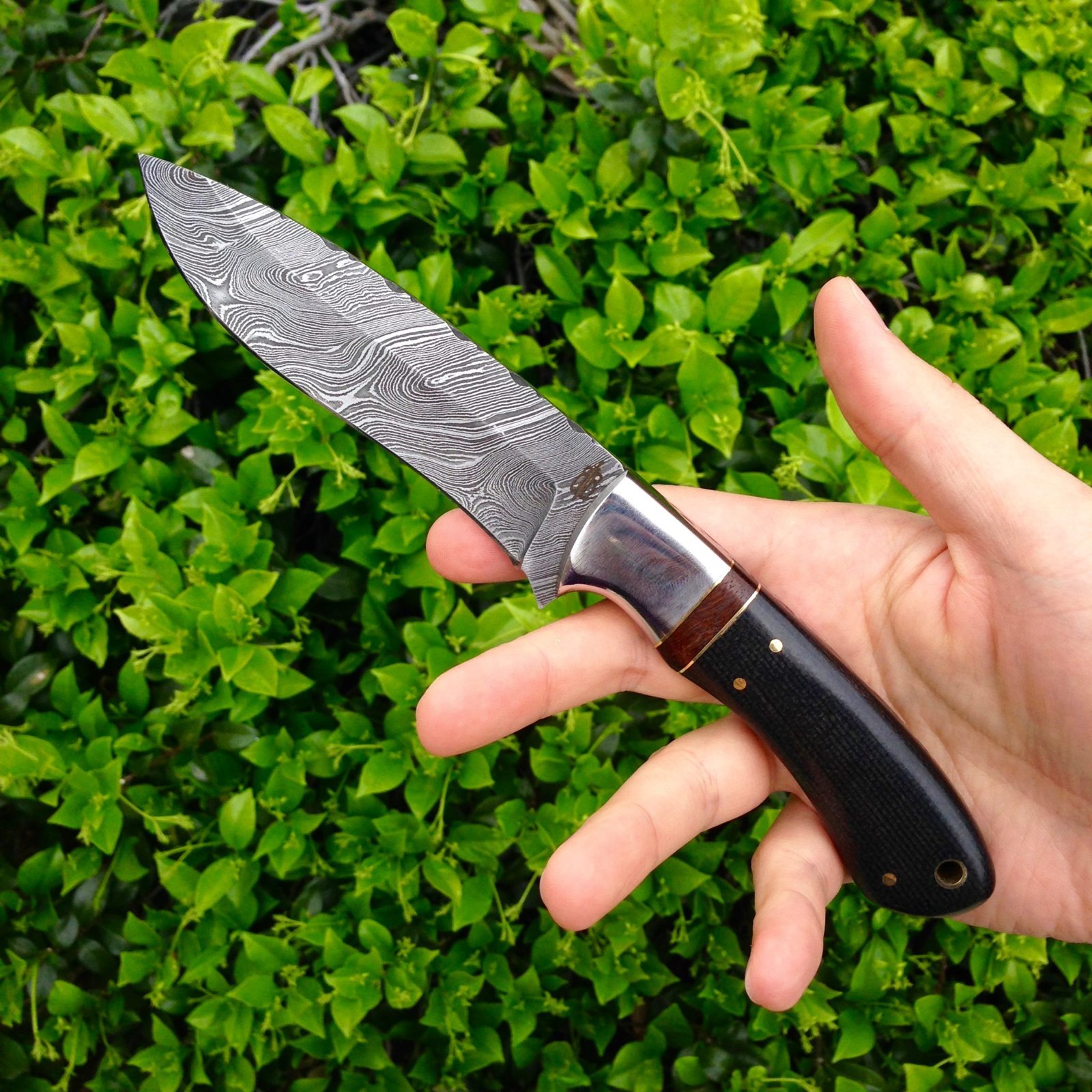
How to Tell If You Have a Real Damascus Steel Blade

Real Damascus Steel Knife

The knife world is, unfortunately, no stranger to fakes and frauds.

From people on eBay trying to pass off $400 Sebenzas as authentic to sellers on Amazon unknowingly peddling fake CRKTs and SOGs, counterfeit knives are everywhere. While I recently wrote a guide on how to spot a counterfeit knife, it didn’t address another popular question — is my Damascus knife a fake?

Damascus knives have exploded in popularity over the years, popping up everywhere from top-tier brands like Spyderco (think the Endura and others) to smaller names like BucknBear.

What makes people even more confused about the legitimacy of Damascus steel are the massive price differences. How can a $50 Damascus knife be “real” when other Damascus blades are priced at $500 or more?

Let’s dig deeper.

What is Damascus?

Before we get into spotting fakes, it’s important to understand what Damascus steel actually is.

Damascus is known for its distinctive wavy patterns—an exotic, almost hypnotic look that’s instantly recognizable. But getting that pattern the right way comes down to two types of “real” Damascus steel:

Continue reading

Why You Should Never Buy Knockoff or Counterfeit Knives

“I’ll never be able to afford a Sebenza.”

“I want to try out a SOG Tomcat before a get a real one.”

“I wasn’t going to buy a real one anyway — might as well get a fake.”

“It’s not hurting anyone.”

These are common arguments from people trying to justify buying knockoff and counterfeit knives.

To those people, all I say is NO. Counterfeit knives are not only harmful to the designers and makers but can also be harmful to you.

If you’re not dissuaded from buying clones or knockoffs, this post will hopefully open your eyes to the dangers and pitfalls of buying fakes. Here’s why you should only buy a real and legitimate knife.

A Note on Terminology

Clones, knockoffs, counterfeits, homages. What’s the difference? All of these terms are typically used to mean one of two things.

A knife passed off as the real thing.

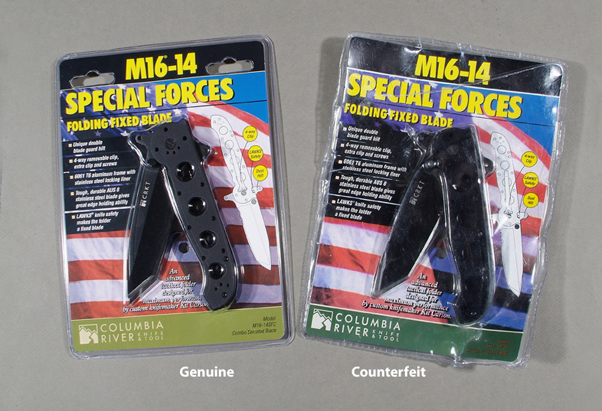
A counterfeit knife is one that looks exactly like the real thing — with branding, all the design elements, and even packaging information — but is not from the actual company.

A knife that steals designs from another model.

If it looks like a Spyderco, functions like a Spyderco, but is called an Arachnidco, it’s a stolen design. It may not have the branding of the original but it may be a heavily borrowed design. This is not necessarily a counterfeit knife, but the effects are the same.

1) Counterfeit knives cause loss in sales.

This one is the most obvious reason not to buy a counterfeit knife: you’re taking away money from those who made the original. Multinational brands typically lose around 10 percent of their annual revenue to counterfeiters, according to the Secretary General of the International Chamber of Commerce.

The American Knife & Tool Institute has some knife stats for you.

“Based on the latest ‘AKTI State of the Sporting Knife and Tool Industry Report,’ we conservatively estimate that the annual financial impact on the sporting knife and tool industry is around $80 million,” said AKTI Executive Director Jan Billeb back in 2013.

Imagine spending all this time, money, and resources on making the best product possible only to have everyone copy the product and sell it as their own. Not only does all your hard work go unpaid but it has to feel just awful and could possibly discourage people from making new things.

Millions of dollars each year are going away from those who deserve it to criminals trying to make a buck off of others.

2) Knife companies incur unforeseen costs.

Aside from the loss of revenue from sales, counterfeiting puts a big financial burden on knife companies you may not have considered.

Continue reading

How to Spot a Counterfeit Knife

This week is International Fraud Awareness Week.

The global effort to raise awareness and minimize the incidence of fraud is wide reaching. Although you may not think fraud affects you so much, fraud reaches every facet of society — whether it’s fraudulent products, fraudulent charities, and those scams we see peppered in every comments section.

While many think knives are safe from fraud, there’s a huge industry of fraud surrounding knives, and it’s important to be aware.

We’ve written about how to spot counterfeits before in an old post, but I thought we’d update with some additional information and tips.

Signs of a Counterfeit Knife

Let’s take a look at a few telltale signs that you may have bought a counterfeit knife. One of these alone isn’t necessarily evidence but can be an indication.

Sign #1: Deals that are too good to be true.

People always mention this as a surefire sign of a counterfeit knife — which is a knife with all the branding of an original but from a different source. If a deal is too good to be true, it probably is.

It may be tempting to see a $150 knife sold for $50 and think, that’s a deal I can’t pass up! Unfortunately, no one is going to sell a knife for that cheap if it’s the real deal.

When it gets harder is when people sell the $150 knife for $120. Although the discount isn’t as steep, it is a discount, especially if people claim it’s new or out of the box.

Sign #2: You bought from a disreputable vendor.

eBay

Don’t take this the wrong way, but eBay is a cesspool of criminals and con artists looking to make a quick buck off of you. While it’s possible to find good deals on eBay, the auction site has a poor reputation as a hotbed for counterfeits in the knife community.

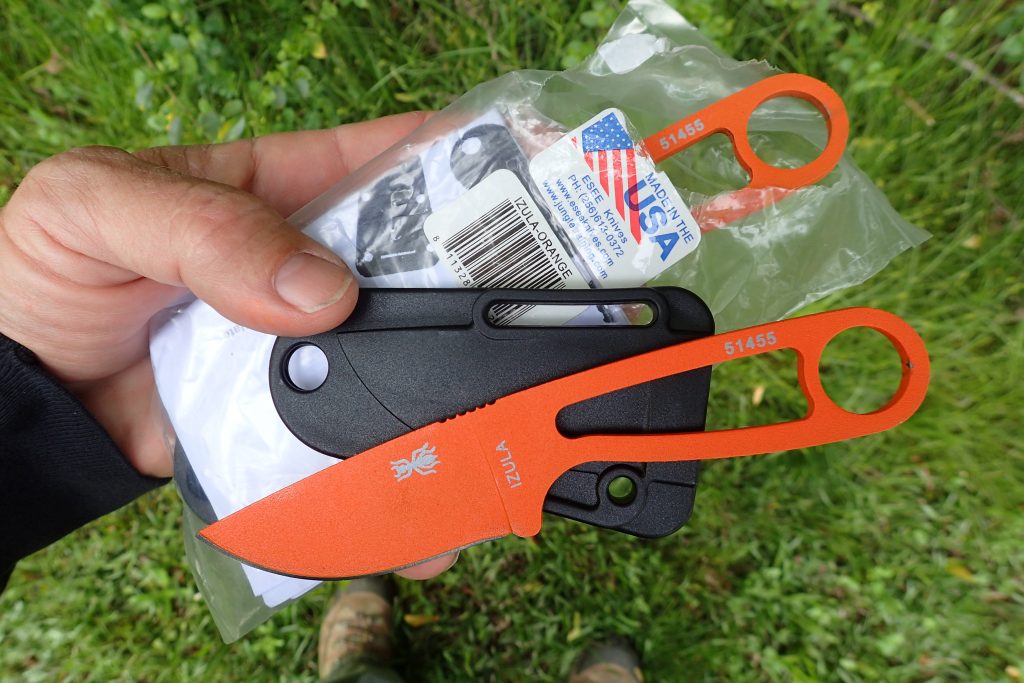
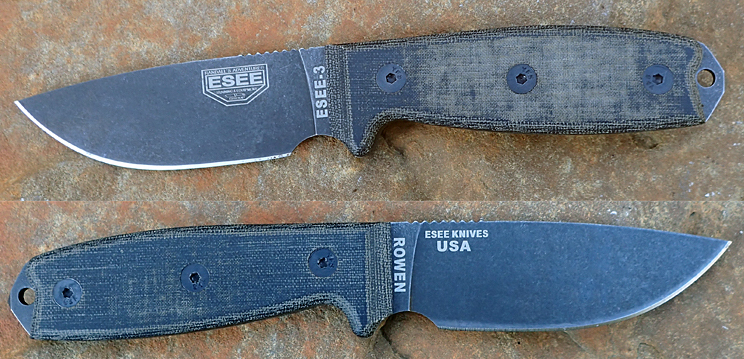
Well-done ESEE-3 fake

Even buying knives at or near the original price is not indication that it’s legitimate. Even seeing the images on the site may not be reliable, since they could have taken a picture of the real thing and then send the fake.

Continue reading

Para-Claw: The Ultimate EDC Self-Defense & Survival Tool

As the old edict goes, the piece of survival gear you need the most is whatever you’re carrying at the time.

That same philosophy can also apply to self-defense tools as well.

Retired bounty hunter Fugi Escobido and David Bloch from Outdoor Edge developed a versatile piece of gear that anyone — whether serious survivalist, martial artist, or average Joe — should and could wear at all times.

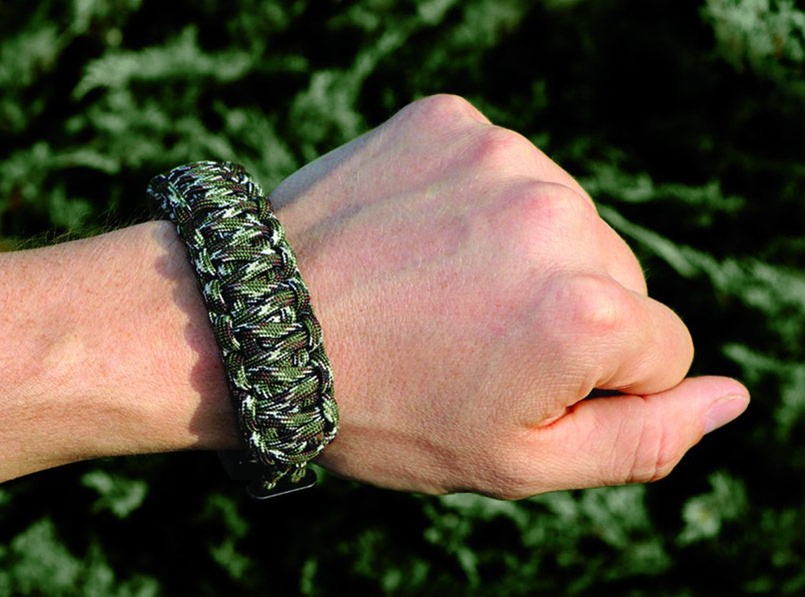
It’s called the Para-Claw, and it’s a paracord bracelet with a twist.

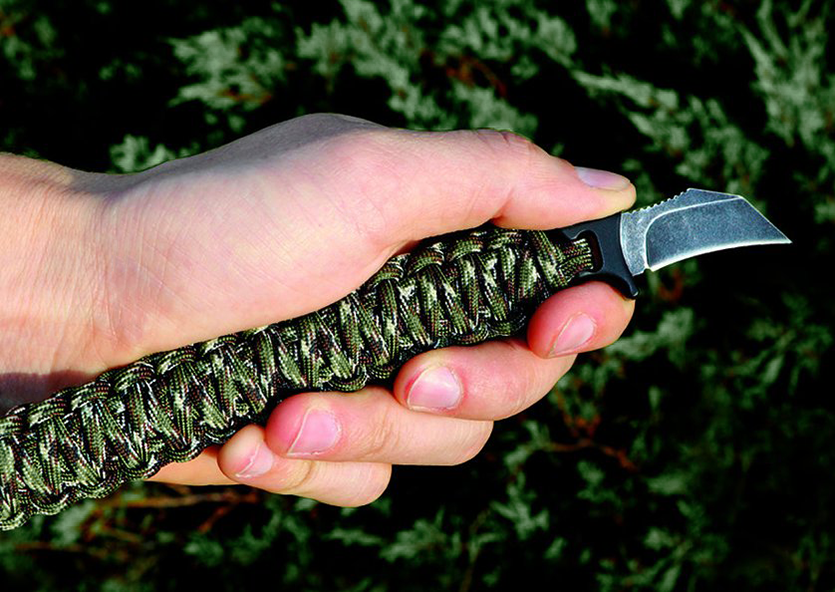
The paracord bracelet is nothing new. Ken Onion even created his own paracord bracelet for CRKT. So how do you make something so prevalent even better? Add a quick release hawkbill blade.

Here’s how it works.

The bracelet is hand-tied with 550 paracord (14.4 ft for the medium size), but hidden inside the buckle is a 1.5-inch hawkbill blade made from BlackStone finished 8Cr13MoV stainless steel. According to Outdoor Edge, the blade is integrally molded to the glass/nylon guard that attaches to the bracelet.

Continue reading

Top 7 Most Popular Boot Knives

When things get rough or situations are unknown, there’s nothing more comfortable than knowing you’ve got a back-up plan tucked away in your steel-toe boots.

Boot knives can be used for everything, from survival situations to last resort self-defense. Since they’re often concealed and frequently feature dual-edged blades, you should check with your local laws to see whether there are any restrictions.

But if you’re looking to pick up a new boot knife, these seven are among the best on the market.

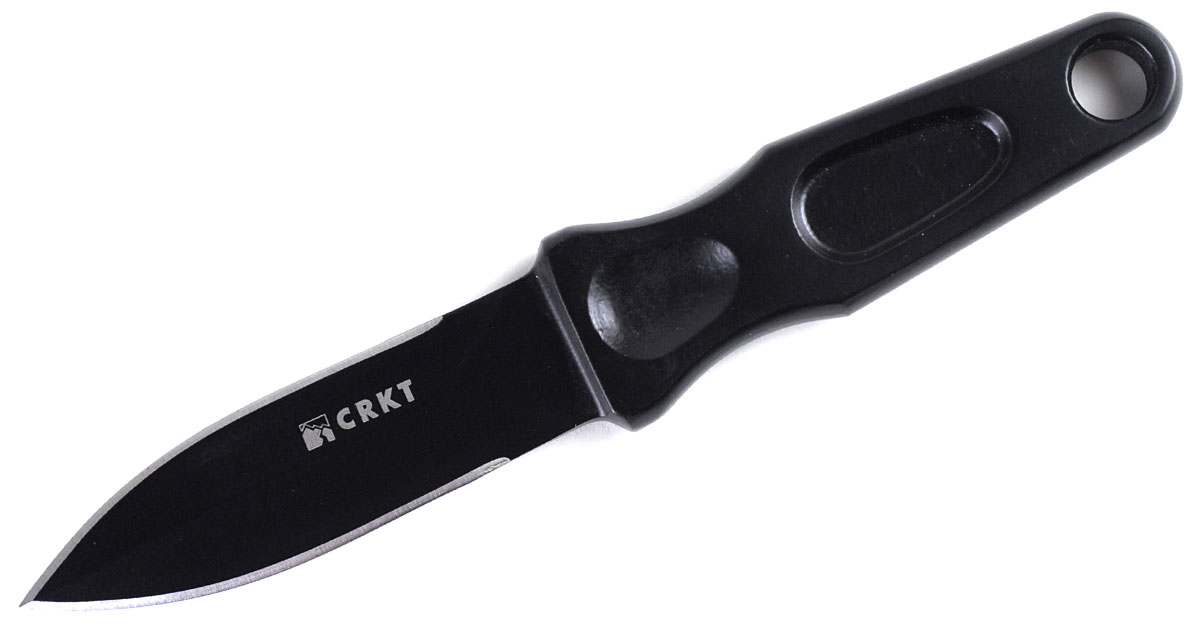
CRKT Sting

Forged from one solid piece of steel, the Sting is a knife from the great A.G. Russell that features a simple but effective design as reliable as when it was first introduced in the 1970s. The overall length is just under 7 inches with a roughly 3.2-inch dual-edge blade. The blade and handle are made of 1050 carbon steel coated with a black powder finish.

A good sheath is essential in a boot knife, and the Sting delivers on that end. It comes with a custom nylon-stitched sheath with a glass reinforced nylon insert. Russell updated the design not long ago with the Sting 3B, but the original remains one of the best.

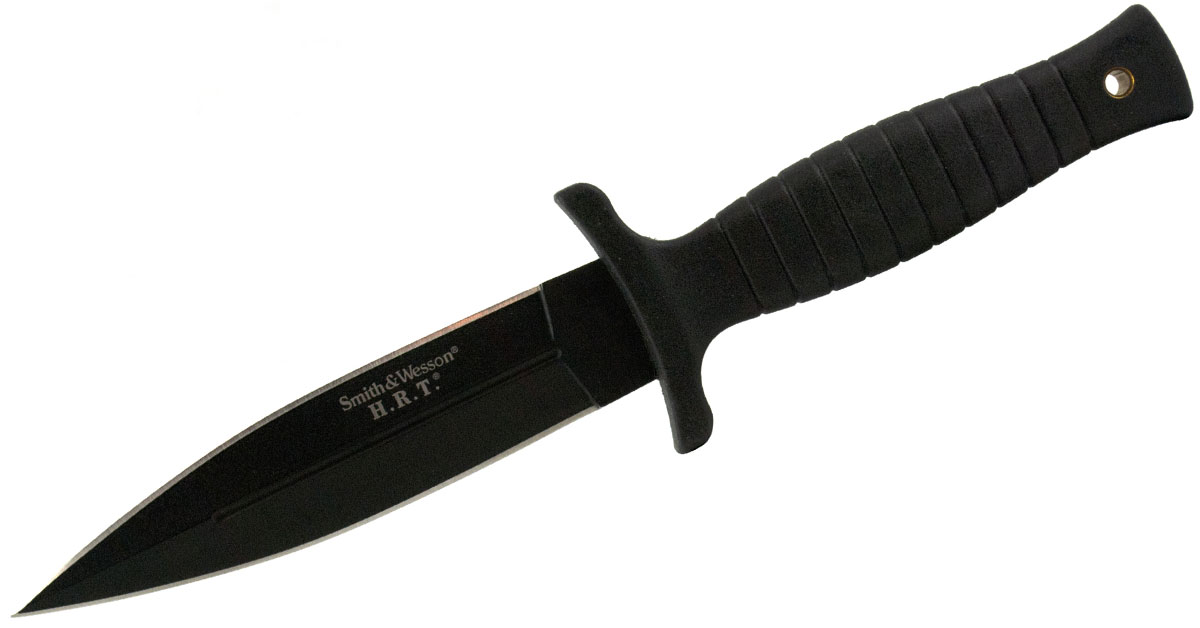
Smith & Wesson SWHRT9B H.R.T. Boot Knife

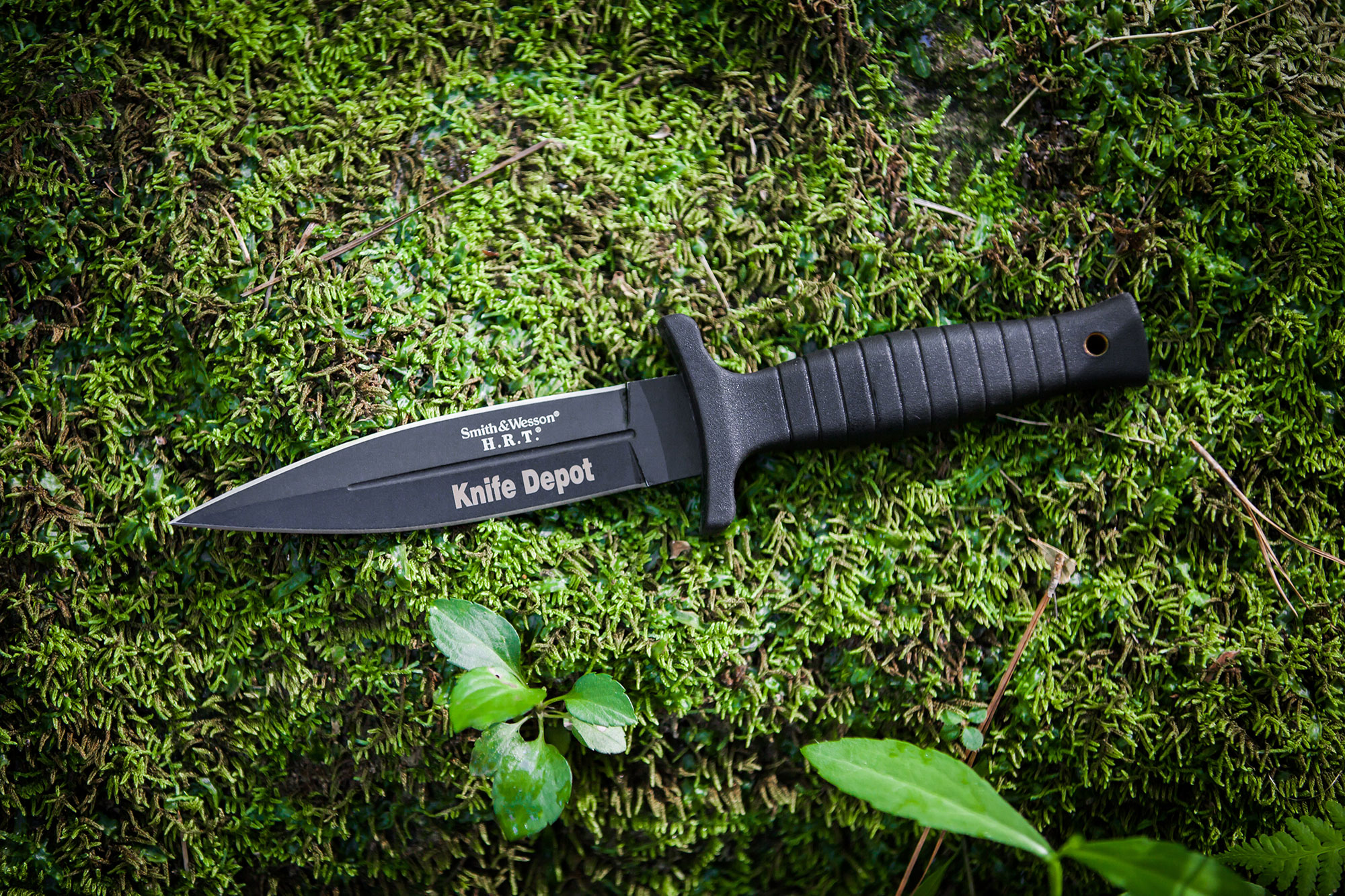
There are three boot knives on this list with nearly identical designs as the Smith & Wesson SWHRT9B H.R.T. Boot Knife, but we’ve received nothing but praises about the knife. This is one of the best-selling knives at Knife Depot. As I’ve written before, the knife is the perfect choice for a last-ditch weapon when things get rough.

A 4.74-inch double-edged blade is made from 7Cr17 high carbon stainless steel and coated with black Teflon. Its shapely handle is wrapped in black rubber while the grooved rings provide extra grip when holding the knife.

The leather sheath holds the knife in place with snap fastener.

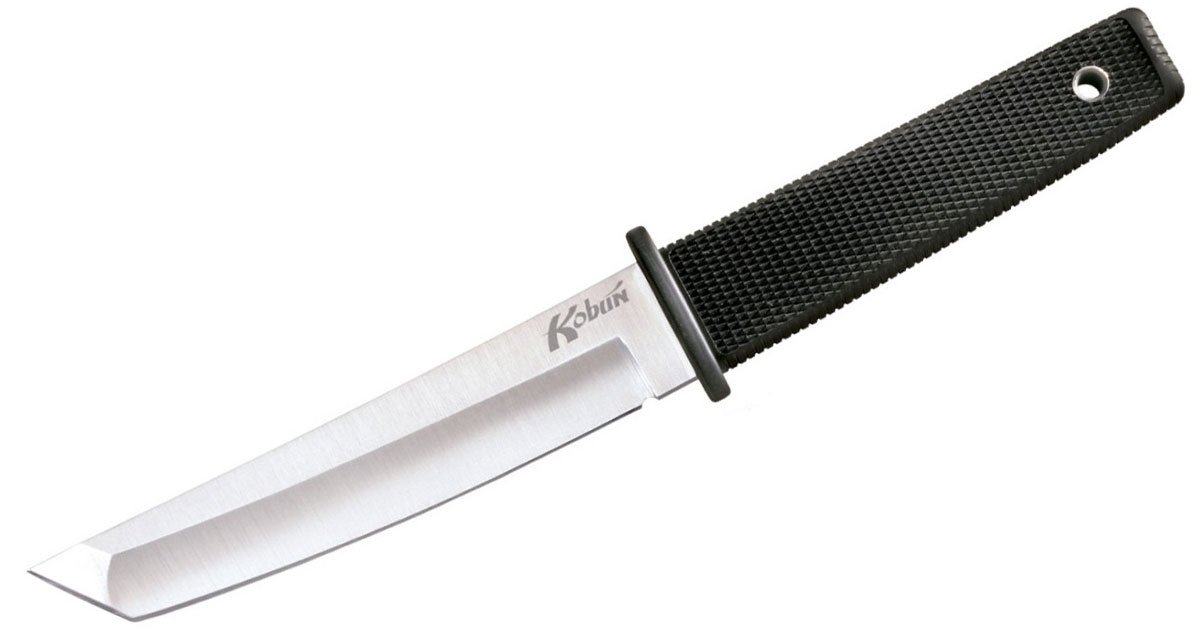
Cold Steel Kobun

The Cold Steel Kobun is less of a dedicated boot knife than the others but it is more than capable of hanging around on your boot in wait of some action. At 4.4 ounces, the Kobun weighs less than the S&W boot knife with a longer blade. The 5.5-inch blade is made from Japanese AUS 8A stainless steel and features the American-style tanto blade that offers a durable design. It’s definitely on the larger end of a boot knife.

Continue reading

« Older posts Newer posts »

© 2026 The Cutting Edge

Theme by Anders NorenUp ↑

123