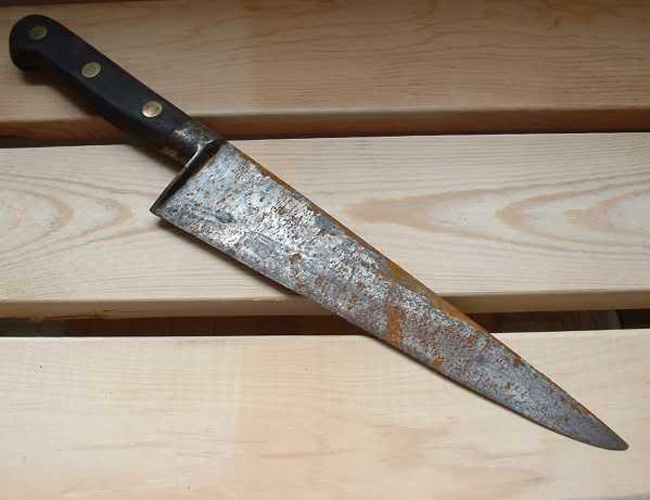
Whether you’ve found a knife in one of your old toolboxes or accidentally left your favorite knife outside in the rain, chances are you have encountered a nasty case of rust.
While some old-school knife users believed a little rust was the mark of good, high-carbon steel, the truth is that rust weakens the blade, ruins its looks, and can even make it unsafe to use.
(See a knife you like from our catalog, just enter the code below for 10% off. No signup required. Thanks for stopping in!)

We originally wrote this post way back in December 2011, but we thought it’d be a good idea to do update it with some better information, videos, and recommendations.
What is Rust?
If you’re just here for rust removal tips, feel free to skip ahead — but understanding why your blade rusts can help you prevent it in the future.
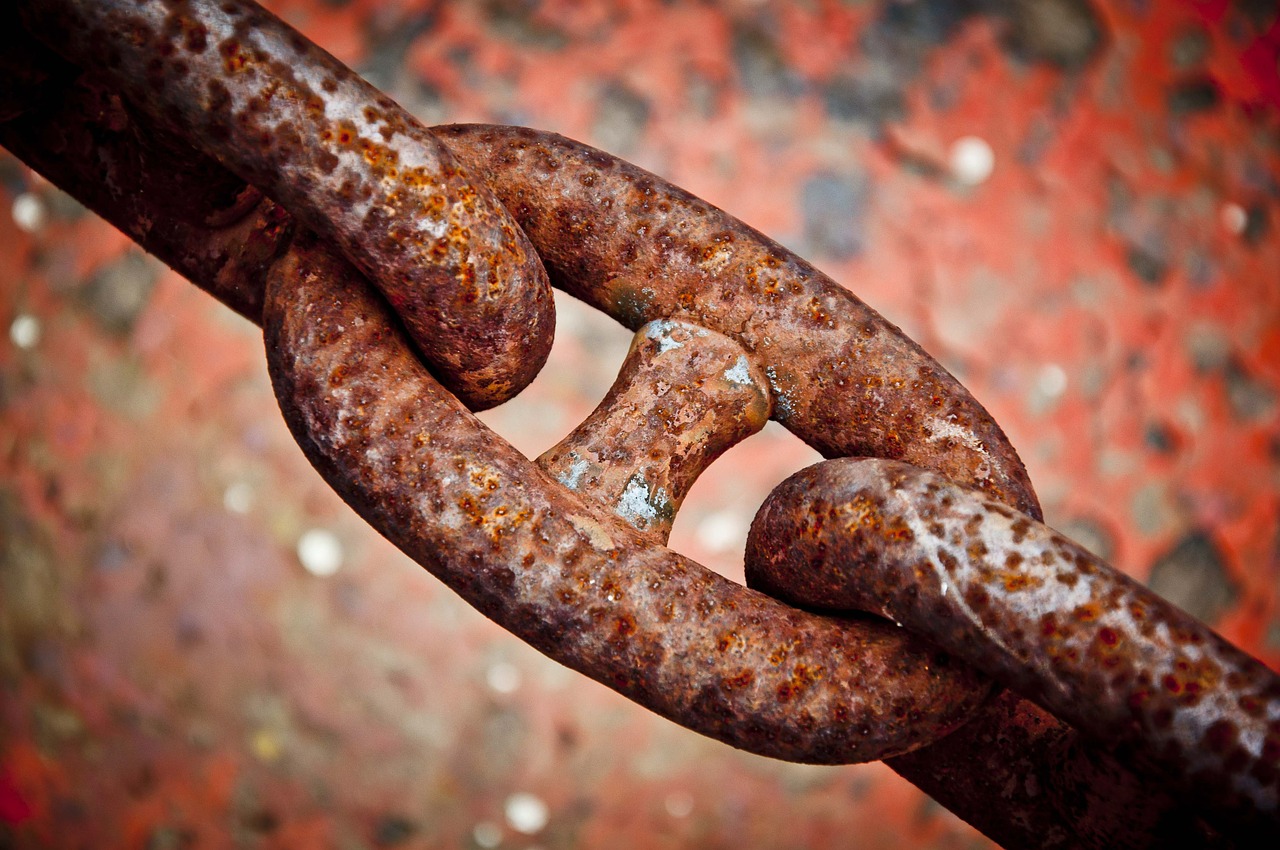
Let’s start with the basics: rust is actually iron oxide, the reddish-orange flaky substance that forms when iron reacts with oxygen and moisture. And it doesn’t take direct water contact — even humidity in the air can be enough.
Here’s a more scientific explanation from How Stuff Works:
Iron (or steel) rusting is an example of corrosion — an electrochemical process involving an anode (a piece of metal that readily gives up electrons), an electrolyte (a liquid that helps electrons move) and a cathode (a piece of metal that readily accepts electrons). When a piece of metal corrodes, the electrolyte helps provide oxygen to the anode. As oxygen combines with the metal, electrons are liberated. When they flow through the electrolyte to the cathode, the metal of the anode disappears, swept away by the electrical flow or converted into metal cations in a form such as rust.
Why Do Knives Rust?
Here are the ingredients for rust: iron, water, and air.