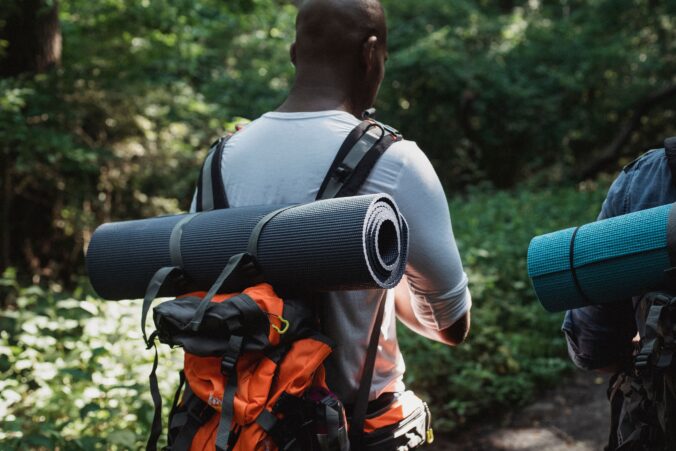
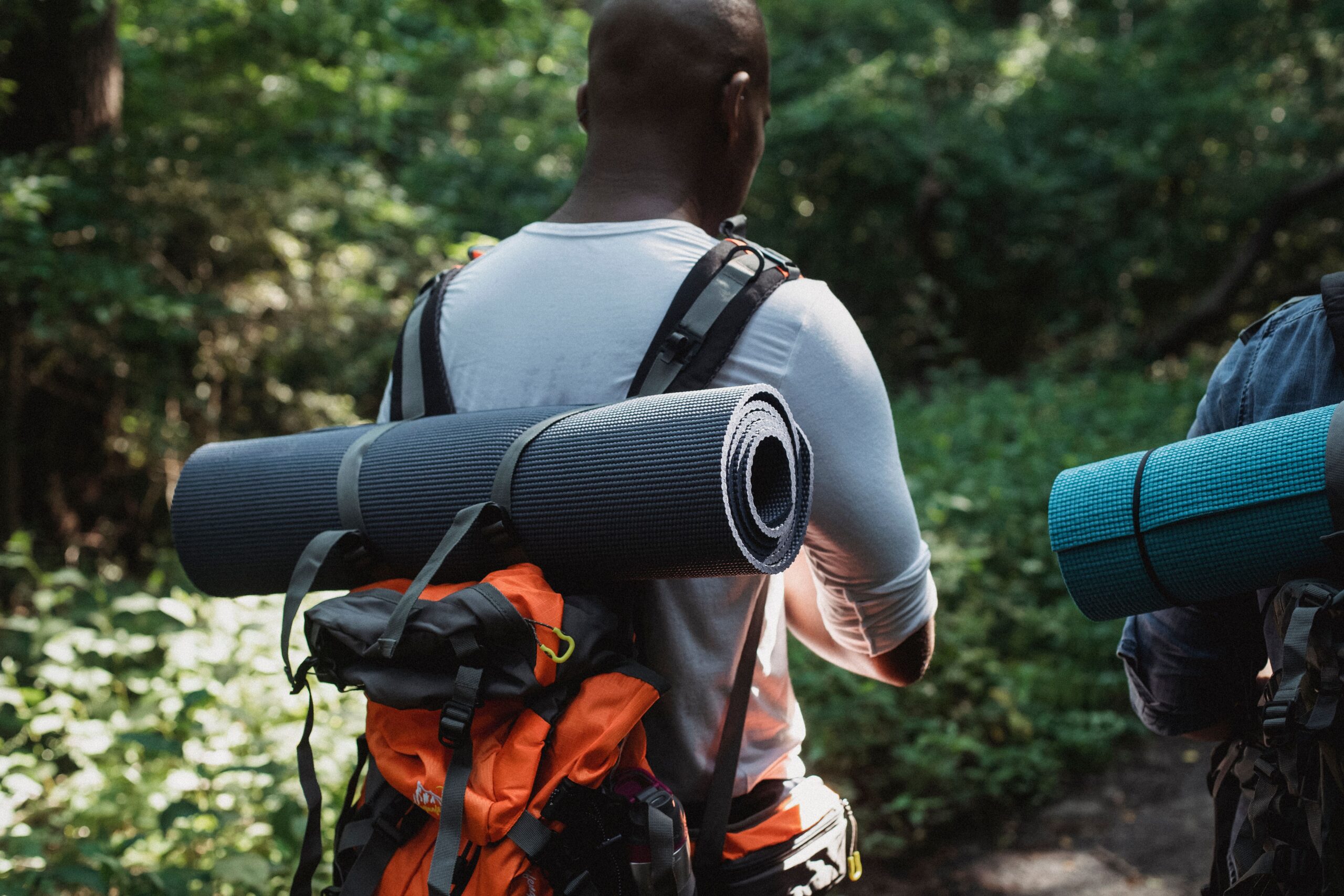
Gear fails at the worst possible moments: a torn tent seam in a rainstorm, a backpack strap delaminating three miles from the trailhead, a sleeping pad deflating overnight at altitude. Choosing durable gear for backcountry camping means understanding what actually holds up under real conditions, not just what looks sturdy on a shelf or sounds impressive in a product description.
True durability comes down to four interconnected factors: materials, construction quality, repairability, and design that suits the specific demands of a trip. A quick way to evaluate any piece of gear is to check fabric strength and denier ratings, inspect seams for reinforcement and taping, look at hardware like buckles and zippers, and research whether the design has been field-tested over time.
This applies across every category, from a backpack and shelter to a sleeping bag and sleeping pad. Ultralight gear adds another layer of complexity, since weight savings often involve trade-offs that only become visible after repeated use, exposure to moisture, abrasion, and sustained load. The sections ahead break down how to read those trade-offs clearly.
What Durable Backcountry Gear Really Looks Like
When evaluating any piece of gear, a few markers stand out immediately. Fabric strength, reinforced seams, reliable hardware, and a field-tested design are the fastest indicators of whether something will hold up. Beyond that first pass, durability is really about how well gear performs across repeated use, moisture exposure, abrasion, and load, not just how tough it feels in a store.
It helps to keep a short checklist in mind:
- Fabric strength and denier rating relative to the gear category
- Reinforced seams with taping or bar-tack stitching at stress points
- Reliable hardware, including buckles, zippers, and pole connections
- Field-tested design with a track record across real backcountry conditions
- Repairability, meaning whether the gear can be fixed in the field or serviced afterward
Marketing language like “rugged” or “heavy-duty” without supporting build details is worth treating with skepticism. The rest of this article explains how to look past those labels and evaluate gear on its actual construction.
How to Spot Quality in Materials and Build
Reading a product spec sheet is a skill worth developing. Knowing what fabric terms, denier ratings, and construction callouts actually mean helps separate genuinely durable gear from products that simply sound durable. Buyers in other gear-heavy categories apply the same logic: for example, those looking for cheap bulk ammo by the case rely on clear product specifications rather than vague marketing claims to judge consistency and value. The same principle applies here.
Materials That Hold Up on Rough Trips
Not every durable material is a heavy one. Denier measures thread thickness in synthetic fabrics, and while higher denier generally means more abrasion resistance, context matters a great deal. A 70D ripstop nylon floor on a Big Agnes tent is intentionally lighter than a 150D base, but the ripstop weave compensates by distributing tear forces across a grid pattern rather than concentrating them in a single thread.
Face fabric and coatings work together, so evaluating one without the other misses the full picture. A DWR coating on rain gear determines how well water beads off the outer shell, while the membrane underneath handles breathability. For a backpack, the relevant question is abrasion resistance at the base and contact points. For a tent, it shifts toward waterproof ratings and floor puncture resistance.
Category shapes every material judgment. Osprey and MSR engineer their products for different stress profiles, and a denier threshold that signals quality on a backpack means very little when applied to a tent fly or a stove carry case.
Construction Details That Signal Longevity
Seams, stitching, and hardware reveal more about a product’s lifespan than fabric specs alone. Bar-tack stitching at high-load points, such as shoulder strap attachments and lid buckles, reinforces exactly where stress concentrates during a loaded carry. YKK zippers are a widely recognized indicator of pull quality and long-term reliability across rain gear, packs, and shelters.
Specific callouts like reinforced corners, taped seams, or welded attachment points give something concrete to evaluate, while vague language like “rugged” or “heavy-duty” without supporting build details is a flag worth noticing.
Match Durability to the Abuse Your Trip Adds
Durability is not a fixed quality; it shifts depending on what a trip actually demands. A shelter that holds up perfectly on a forested three-season weekend may degrade quickly on an exposed ridge with freeze-thaw cycles, persistent moisture, and high UV at elevation.
Route type, terrain, and season each change which failure risks matter most. Scrambling on talus puts very different pressure on footwear than soft trail hiking does, and bushwhacking through dense brush abrades pack fabric in ways that groomed trails never would.
It helps to think in specific stressors before buying:
- Abrasion from rock, brush, and repeated pack loading affects the base of a backpack and the outsole of footwear first
- UV exposure over multi-day trips degrades coatings on shelter fabrics and rain gear faster than single-night use
- Moisture cycling and mud accelerate wear on zippers, buckles, and filter membranes
- Freeze-thaw shifts stress tent poles, tent floor laminates, and adhesive seam tape over time
- Pack weight amplifies stress at every contact point, from hip belt stitching to shoulder straps
Backcountry camping rarely delivers one type of abuse cleanly. Most trips combine several of these stressors at once, which is why identifying the highest failure risks for a specific route before buying leads to better decisions than defaulting to whatever is marketed as tough.
Where to Spend for Toughness and Where to Cut
Durability is best treated as a selective investment rather than a blanket standard applied equally across every gear category. Some items face far more stress than others, and that difference should guide where the budget goes.
Gear That Deserves Your Durability Budget
Some categories earn a higher durability investment because failure carries real consequences for safety, comfort, and completing a trip.
A backpack absorbs constant load stress across hundreds of flexion cycles per day. A tent takes wind, moisture, and ground abrasion on every outing. A sleeping bag and sleeping pad determine whether rest is actually restorative. Footwear handles the combined weight of the hiker and their pack across uneven terrain for hours at a stretch. A stove takes repeated heat cycling and handling in conditions that accelerate wear on joints and valves.
These are the categories where spending more on proven construction pays back across many trips rather than just one.
When Lighter Gear Is Still the Smart Pick
Ultralight gear is not automatically a compromise. For shorter trips, well-maintained trails, and experienced hikers with precise pack weight discipline, lower-margin materials perform reliably within their intended range.
The relevant factors are trip length, terrain type, and how much abuse the gear will realistically absorb. A thru-hiker who replaces gear seasonally may find ultralight options cost-effective overall, while a beginner on a week-long remote route generally benefits from the extra margin that heavier, more forgiving construction provides.
The goal is gear that is durable enough for the specific trip, not simply the heaviest available option in each category.
How to Judge the Key Gear Categories
Durability shows up differently depending on the category, so the same evaluation criteria do not apply uniformly across a full kit. Breaking things down by gear type makes comparisons more practical.
Backpack, Shelter, and Sleep System
A well-fitted backpack distributes load through a frame that flexes without buckling, so checking hip belt construction, shoulder strap attachment points, and base fabric reinforcement tells more about longevity than brand name alone. High-wear zones at the base and side compression areas show wear first, and quality models from REI or Osprey use heavier denier fabric specifically in those spots.
For tents and shelters, pole material and diameter, seam taping, floor fabric weight, and guyline attachment points are the details worth comparing directly. A tent floor faces abrasion from both the ground and packed gravel underneath.
Sleeping systems require looking at shell fabric durability alongside insulation protection and pad construction. Sleeping pad R-value reflects thermal resistance, and the ASTM R-value standard gives that number a consistent, testable meaning. Therm-a-Rest pads are rated under this standard, making comparisons across brands more reliable.
Footwear, Water, and Cooking Essentials
Footwear wears at the outsole first, particularly under the ball of the foot and heel, so sole thickness and rubber compound matter beyond upper construction.
Water filters clog or crack at the membrane under repeated freezing and heavy sediment loads, making maintenance access a practical buying criterion. Stoves wear at burner jets and valve threads, and models with replaceable parts extend usable life considerably compared to sealed units.
Maintenance Habits That Make Gear Last Longer
How gear gets treated between trips affects how long it performs on them. Dirt, moisture, and improper storage quietly break down materials long before the trail does.
Cleaning and drying gear before putting it away prevents coating breakdown and mildew. Rain gear that goes back into a stuff sack while still damp loses its DWR performance faster. A sleeping bag stored compressed loses loft over time, so hanging or storing it loosely in a large sack preserves insulation fill.
Tents should be dried fully before storage, and sleeping pads benefit from being left unrolled to relieve valve and foam stress. Small field repairs, such as patching a torn seam, swapping a tent pole section, or addressing footwear delamination before the next outing, keep minor damage from becoming a trip-ending problem.
Carrying a basic repair kit that includes knives built for wilderness survival expands what is fixable in the field. Pairing that with blades suited for camping and survival covers a wider range of cutting and repair tasks without adding significant weight.
Choose for the Long Haul, Not Just the Next Trip
Durable gear for backcountry camping is not about buying the heaviest or most technical option available. It comes down to matching build quality to terrain, frequency of use, and the category-specific stress a trip actually creates.
The best decisions balance construction quality, weight, and repairability against realistic needs. A thoughtful purchase, paired with consistent maintenance, will outperform a tougher-looking option that gets stored carelessly, overloaded, or mismatched to the route. Managing pack weight thoughtfully and choosing ultralight options within their intended range rounds out a framework that holds up across many seasons.

Leave a Reply