TL;DR: – Entry-level custom knives run $200–$450; mid-tier ABS Journeyman Smith damascus pieces cost $800–$2,750; investment-grade Master Smith integrals reach $4,000–$12,000+
- ABS Master Smith designation (fewer than 130 smiths worldwide) is the most meaningful credential for collectors evaluating quality
- Commission deposits typically run 25–50% with 3–18 month timelines; red flags include no verifiable portfolio, full upfront payment, and generic stock photos
- Store pieces at 45–55% relative humidity to prevent cracking in natural handle materials; provenance documentation materially increases resale value
What Are Custom Handmade Collector Knives?
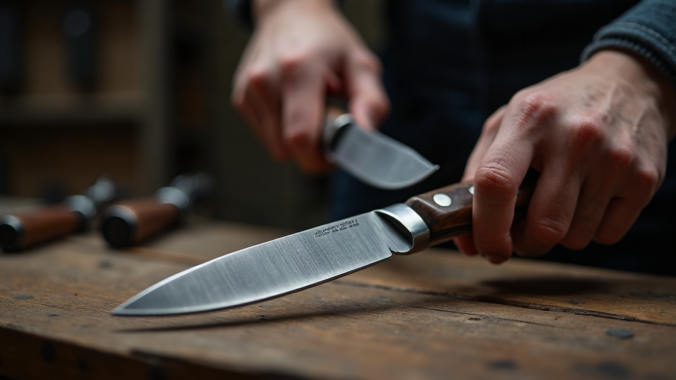
Custom handmade collector knives are one-of-a-kind or limited-edition blades forged or ground by individual artisans rather than mass-produced in factories. (Fws.gov) Unlike production knives, each piece carries the maker’s signature aesthetic, material choices, and craftsmanship philosophy – making them functional art objects as much as cutting tools.
The collector appeal is straightforward: uniqueness, documented provenance, and the potential for value appreciation over time. Interest in custom knives has grown significantly in recent years, reflecting a surge in collector demand. You’re not just buying a blade; you’re acquiring a piece of the maker’s artistic vision and technical skill.
Custom collector knives typically fall into three categories. Utility art knives blend functional performance with aesthetic refinement – think a damascus drop point that cuts as well as it looks. Display pieces prioritize visual impact: integrals with mammoth ivory scales, hamons (temper lines) in W2 steel, or elaborate handle inlays. Investment-grade blades are pieces by established or deceased master smiths that command premium prices at auction and often appreciate over time.
The distinction from production knives matters here. Most people agree that factory knives simply can’t be compared to well made fine custom knives by established knife makers. Production knives offer consistency and accessibility; custom pieces offer soul and scarcity.
Key Takeaway: Custom handmade collector knives are one-of-a-kind artisan pieces valued for uniqueness, documented maker credentials, and potential value appreciation – fundamentally different from factory-produced alternatives.
How Much Do Custom Handmade Collector Knives Cost?
Price is the first question collectors ask, and the answer depends entirely on three factors: maker credential tier, steel type, and handle material. Let’s break this down with real numbers.
Entry-Level Custom Knives ($200–$450)
Emerging makers building their portfolios typically work in stock-removal (grinding pre-made steel blanks rather than forging). Prices range from $120 to $400+ depending on materials, maker, and rarity. A hand-ground CPM-154 drop point with G10 handle from an emerging maker sits comfortably in the $200–$450 range. You’re paying for skill and time, not yet for reputation. Notably, the market has shifted toward premium, accessible steels like S90V, which is beginning to appear in entry-level custom work as material costs normalize.
Mid-Tier Custom Knives ($800–$2,750)
This is where ABS Journeyman Smiths operate. These makers have submitted five knives for formal judging and demonstrated documented smithing experience. A mid-tier damascus fixed blade with stabilized burl handle represents the sweet spot for many collectors: materials cost roughly $200–$350, plus 20–30 hours of skilled labor at $50–$80/hour. That math yields a realistic asking price of $1,200–$2,750 depending on the maker’s reputation and the complexity of the damascus pattern.
Investment-Grade Custom Knives ($4,000–$12,000+)
ABS Master Smiths command premium prices. These are the fewer than 130 smiths worldwide who’ve passed the rigorous two-phase performance test – cutting rope, shaving arm hair, and bending the blade 90 degrees without fracture. Investment-grade knives – ABS Master Smith integrals with mammoth ivory scales – regularly sell at auction for $4,000–$12,000+. An integral (blade and handle forged from a single piece of steel) with premium handle materials can easily exceed $8,000.
| Tier | Maker Level | Price Range | Materials | Labor Hours | Typical Steel |
|---|---|---|---|---|---|
| Entry | Emerging/Stock-Removal | $200–$450 | $50–$100 | 8–15 | CPM-154, AUS-8A |
| Mid | ABS Journeyman Smith | $800–$2,750 | $200–$350 | 20–30 | Damascus, W2 |
| High | ABS Master Smith | $4,000–$12,000+ | $400–$800 | 40–80+ | Damascus, W2, Exotic |
The cost drivers are transparent once you understand them. Damascus pattern-welded steel commands a premium because each billet is unique and the forge-welding process demands significant skill. Natural handle materials – bone, stag, stabilized wood – cost more than synthetics but add collector appeal. Mammoth ivory, legal for commercial trade in the US with proper documentation, can add $500–$2,000+ to a piece’s value.
Key Takeaway: Entry-level custom knives cost $200–$450; mid-tier ABS Journeyman Smith damascus pieces run $800–$2,750; Master Smith integrals reach $4,000–$12,000+. Material and labor transparency explains the price tiers.
What Makes a Custom Knife Worth Collecting?
Not every handmade knife is collectible. The difference between a decorative piece and a true collector’s knife comes down to five quality indicators: fit and finish, grind consistency, handle geometry, maker credentials, and provenance.
Fit and Finish
Examine the blade-to-handle junction. Are there gaps? Does the handle sit flush against the blade? Professional custom makers spend hours perfecting this interface. The blade should have no visible grinding marks (unless intentional, like a satin finish), and the edge should be sharp enough to shave arm hair without pressure – a standard test among collectors.
Grind Consistency
Run your finger along the blade’s spine. A quality grind maintains consistent thickness from ricasso (the unsharpened section near the handle) to tip. Inconsistent grinds suggest rushed work or poor heat treatment. For damascus blades, the pattern should be crisp and well-defined, not blurred or uneven. The composition, structure, and behavior of steel under stress are what ultimately separate a blade that holds an edge from one that fails – a principle that applies directly to evaluating grind quality and heat treatment consistency in custom work.
Handle Geometry
The handle should feel intentional. Finger choils (the curved indentation where your index finger rests) should be ergonomic, not afterthoughts. Scales should be symmetrical, and any inlays or decorative elements should be flush and secure. Poor handle geometry signals a maker who prioritizes aesthetics over function.
Maker Credentials
This is where ABS credentials matter most. High-performance steels like VG10, Damascus, ATS34, and Wootz steel offer durability, edge retention, and stunning patterns. But the maker’s ability to work these steels consistently is what separates collectible from decorative. An ABS Journeyman Smith has proven competency through formal judging; a Master Smith has passed a performance test that most makers never attempt.
Provenance Documentation
This is the gap most collectors overlook. A signed receipt specifying steel type, handle material, and build date – plus high-resolution photographs – materially increases resale value. Auction houses require this documentation for high-value lots. Without it, even a beautiful knife is harder to authenticate and resell.
Blade Steel Types and Their Collector Appeal
Damascus pattern-welded steel dominates collector preferences for aesthetic reasons. Each billet produces unique layered patterns that acid-etching reveals. The visual character – combined with the skill required to forge-weld multiple steel layers without delamination – justifies the premium price. The composition and forge-welding techniques of pattern-welded steel can be traced and authenticated, lending additional scholarly weight to provenance claims on high-value damascus pieces.
W2 high-carbon steel appeals to collectors who value the hamon (temper line) that differential heat treatment produces. W2’s shallow hardening characteristics create dramatic hamons, making it a favorite for art knives. The downside: W2 requires consistent heat treatment skill and offers less corrosion resistance than stainless steels.
CPM-154 and similar high-alloy stainless steels offer superior corrosion resistance for display pieces but lack the visual character of hand-forged or pattern-welded steels. If you’re collecting for investment and display, damascus or W2 typically command higher resale premiums than stainless.
Handle Materials That Elevate Value
Synthetic materials (G10, Micarta) are durable and affordable – perfect for functional pieces. Natural materials (stag, bone, stabilized wood) add mid-premium value and aesthetic warmth. Exotic premium materials (mammoth ivory, mother of pearl) can add $500–$2,000+ to a piece’s value depending on quality and rarity.
A critical note: Mammoth ivory is not subject to CITES restrictions because the species is extinct and no longer at risk from trade; it is legal to buy, sell, and import/export with proper documentation of origin. However, some states impose additional restrictions beyond federal law, so verify your local regulations before purchasing.
Key Takeaway: Collectible custom knives demonstrate fit and finish excellence, consistent grinds, intentional handle geometry, documented maker credentials (ideally ABS Journeyman or Master Smith), and provenance documentation. Damascus and W2 steels command higher collector premiums than stainless.
How to Find and Vet Reputable Custom Knife Makers
Finding the right maker is half the battle. The sourcing channels are well-established, but vetting requires a systematic approach.
Primary Sourcing Channels
Blade Show Atlanta is the single largest annual event, attracting over 1,500 exhibitors and tens of thousands of collectors. You’ll find custom and art knife sections where sole-authorship pieces change hands directly. The Art Knife Invitational (AKI) is invitation-only and reserved for the highest tier of makers – it’s where the most significant collector transactions occur, though access requires established collector network connections.
Instagram has become a primary discovery channel. Many makers post work-in-progress photos and finished pieces directly to their accounts. BladeForums and AllAboutPocketKnives host active collector communities where you can ask for maker recommendations and read firsthand accounts of commissioning experiences.
Vetting Checklist
Before committing to a commission, verify these points:
- Portfolio depth: Can the maker show you 20+ completed pieces with customer references? Generic stock photos are a red flag.
- Wait list transparency: Established makers maintain public wait lists. If a maker won’t tell you the timeline, move on.
- References from past buyers: Reach out to previous customers. Reputable makers encourage this.
- Certification status: ABS Journeyman or Master Smith designation? Check the ABS directory to verify.
- Written specification document: Before paying any deposit, you should have a contract specifying steel type, handle material, blade length, and build timeline.
Red Flags to Avoid
No verifiable past work. If a maker can’t show you completed pieces, they’re not established enough for a significant investment. Requesting full payment upfront with no contract is a major warning sign – standard practice is 25–50% deposit with the balance due upon completion. Generic stock photos instead of original work photographs suggest the maker is either new or dishonest about their capabilities. A structured evaluation framework helps collectors expose gaps in a maker’s credentials, coverage of past work, and operational transparency before committing any deposit.
The Commission Process
Standard timeline: 25–50% deposit to begin work, with total project timelines of 3–18 months depending on the maker’s waitlist. Established Master Smiths often have 12–18 month waits. Emerging makers might deliver in 3–6 months. Request a written specification document detailing every aspect of the knife before paying any deposit.
Key Takeaway: Source custom makers through Blade Show Atlanta, Instagram, and collector communities. Vet using a checklist: portfolio depth, wait list transparency, customer references, ABS credentials, and written specifications. Avoid makers with no verifiable work, full upfront payment demands, or generic photos.
Building Your Custom Knife Collection: A Step-by-Step Approach
Starting a collection is simpler than you think if you follow a structured roadmap.
Step 1: Define Your Focus
Decide what draws you. Are you collecting damascus art knives? Tactical fixed blades? Regional makers? Specific steel types? Your focus shapes every subsequent decision. A collector focused on W2 hamons will pursue different makers than someone collecting integral designs.
Step 2: Set a Realistic Budget
Determine how much you’re willing to spend annually. A modest collection might start with 1–3 pieces under $500 each. A serious collector might allocate $5,000–$10,000 annually. Budget matters because it determines which makers you can access – entry-level makers are more accessible than Master Smiths with year-long waits.
Step 3: Research Before Buying
Spend 2–3 months reading collector forums, following makers on Instagram, and attending shows. Talk to experienced collectors. Understand the market before you commit capital. This research phase prevents costly mistakes.
Step 4: Start Small, Scale Deliberately
Buy 1–3 pieces from emerging or mid-tier makers first. These pieces teach you what you actually value in a knife – handle feel, blade geometry, steel performance. Once you understand your preferences, commission higher-end work.
Step 5: Document and Store Properly
For each piece, maintain: original receipt, maker correspondence, high-resolution photographs (front, back, side, detail shots), and any certificates of authenticity. Store at 45–55% relative humidity to prevent cracking in natural handle materials. Display cases with UV-filtering glass protect against fading and material degradation. Apply Renaissance Wax to carbon steel blades every 6–12 months to prevent oxidation.
Portfolio-Building Tip
Start with 1–3 pieces under $500 before commissioning high-end work. This approach lets you build relationships with makers, understand the commissioning process, and refine your collecting focus without overcommitting capital.
Key Takeaway: Build your collection by defining focus, setting budget, researching thoroughly, starting with entry-level pieces, and documenting everything. Store at 45–55% RH with UV-filtering display cases and Renaissance Wax maintenance.
Custom Handmade vs Production Collector Knives: Key Differences
The choice between custom and production depends on your priorities. Here’s the honest comparison:
| Factor | Custom Handmade | Production Collector |
|---|---|---|
| Uniqueness | One-of-a-kind or limited run | Identical copies |
| Lead Time | 3–18 months | In stock |
| Price | $200–$12,000+ | $100–$2,000 typically |
| Resale Value | Often appreciates (if maker established) | Generally depreciates |
| Customization | Full control over specs | None |
| Availability | Limited by maker capacity | Readily available |
Production knives offer immediate gratification and lower entry costs. You can walk into a shop and buy a limited-edition Benchmade or Spyderco today. Custom knives require patience and planning but offer uniqueness and potential value appreciation.
The resale value difference is significant. A production knife typically loses 20–40% of its value after purchase. A custom knife by an established maker – especially a deceased master like Bob Loveless – can appreciate 3–5× its original price at auction. However, appreciation is not guaranteed and depends heavily on the maker’s reputation trajectory.
Who should choose custom? Collectors with patience, a defined aesthetic focus, and capital to invest. Who should choose production? Collectors who want immediate ownership, prefer established brands, or are building a broad collection on a tight budget.
Key Takeaway: Custom handmade knives offer uniqueness and appreciation potential but require 3–18 month waits and $200–$12,000+ investment. Production collector knives offer immediate availability and lower prices but typically depreciate. Choose custom for investment and uniqueness; choose production for accessibility.
Frequently Asked Questions About Custom Collector Knives
How much should I budget for my first custom handmade collector knife?
Direct Answer: Start with $300–$500 for an entry-level piece from an emerging maker to learn what you value before investing in higher-tier work.
A first custom knife should be affordable enough that you don’t regret it if your preferences change, but substantial enough to represent real craftsmanship. Entry-level stock-removal knives in CPM-154 with G10 handles hit this sweet spot. You’ll learn about fit and finish, handle ergonomics, and steel performance without overcommitting capital. Once you understand your preferences, you can commission mid-tier work ($800–$2,750) or save for investment-grade pieces.
How do custom handmade knives compare to limited-edition production knives for collectors?
Direct Answer: Custom knives offer true uniqueness and appreciation potential; limited-edition production knives offer brand prestige and immediate availability but rarely appreciate in value.
Most people agree that factory knives simply can’t be compared to well made fine custom knives by established knife makers. A limited-edition Benchmade or Spyderco is still mass-produced, even if only 500 units exist. A custom knife is one-of-a-kind. For collectors prioritizing investment and uniqueness, custom wins. For collectors who want established brand heritage and immediate ownership, production wins.
How long does it take to commission a custom knife from a maker?
Direct Answer: Timelines range from 3–6 months for emerging makers to 12–18 months for established ABS Master Smiths, depending on waitlist.
Standard practice is 25–50% deposit to begin work, with the balance due upon completion. Emerging makers often have shorter waits because they’re building their reputation. Established Master Smiths have long waits because demand exceeds capacity. Ask about the timeline before committing – a maker unwilling to specify a delivery window is a red flag.
What are the biggest risks when buying custom knives online?
Direct Answer: The primary risks are unverifiable maker credentials, lack of provenance documentation, and commissioning from makers with no portfolio or references.
Red flags include: makers requesting full payment upfront with no contract, inability to show completed pieces with customer references, use of generic stock photos, and no verifiable ABS credentials. Always request a written specification document before paying any deposit. Verify the maker’s credentials through the ABS directory or collector community forums. Ask for references from previous customers and follow up with them.
Do custom handmade knives hold or increase in value over time?
Direct Answer: Custom knives by established or deceased master makers often appreciate 3–5× their original price; emerging maker pieces may depreciate or hold value depending on the maker’s reputation trajectory.
The clearest documented appreciation occurs with deceased master makers like Bob Loveless, whose pieces now command $3,000–$8,000 at auction compared to their original $500–$1,000 prices. Living makers’ work may not appreciate on the same trajectory. Appreciation depends on: maker reputation, steel type (damascus and W2 typically outperform stainless), handle materials (exotic materials add value), and provenance documentation. Without documentation, even beautiful knives are harder to authenticate and resell.
What certifications should I look for in a custom knife maker?
Direct Answer: ABS Journeyman Smith (JS) and ABS Master Smith (MS) designations are the most meaningful credentials, with Master Smith representing the highest tier.
An ABS Journeyman Smith has submitted five knives for formal judging and demonstrated documented smithing experience. An ABS Master Smith has passed a rigorous two-phase performance test – cutting rope, shaving arm hair, and bending the blade 90 degrees without fracture – and represents fewer than 130 smiths worldwide. Verify credentials through the ABS directory. Emerging makers without ABS credentials can still produce quality work, but credentials provide a quality assurance signal that matters for investment-grade purchases.
Ready to Get Started?
For personalized guidance on building your custom collector knife collection, visit Knife Depot to explore curated selections and connect with expert collectors who can help you navigate the market, identify makers aligned with your aesthetic and budget, and develop a collection strategy tailored to your goals.
Conclusion
Custom handmade collector knives represent a convergence of art, craft, and investment. Whether you’re starting your first collection or adding to an established portfolio, the principles remain consistent: define your focus, vet makers systematically, understand pricing drivers, and document everything.
The market has matured significantly. Blade Show Atlanta attracts thousands of collectors annually. Online communities provide transparent pricing and vetting information. Auction results demonstrate that collector knives can appreciate meaningfully over time – but only if you buy from established makers, maintain provenance documentation, and store pieces properly.
Start small with entry-level pieces under $500. Learn what you value. Build relationships with makers. Then scale deliberately into mid-tier and investment-grade work. The collectors who build the most rewarding collections aren’t those who spend the most money – they’re the ones who invest time in research, patience in commissioning, and care in preservation.
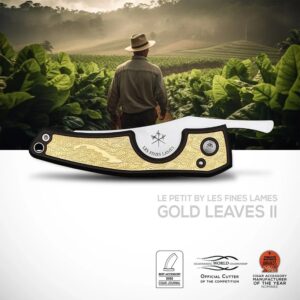
Collector’s knives are not merely tools; they are works that showcase the artisan’s craftsmanship, materials, and personal style.
thanks